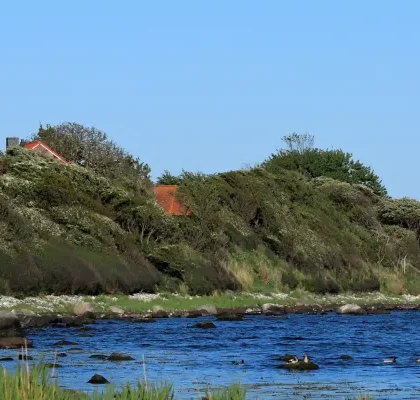
Fehmarn enjoys a remarkable position in the western Baltic Sea. Its coastline, lagoons and wetlands provide feeding and resting grounds for thousands of migratory birds, as well as habitats for species that breed or spend the winter on the island.
Birdwatching in Fehmarn isn’t just for experienced enthusiasts. There are birdwatching hides, paths along the dykes and walking routes suitable for visitors discovering birdwatching for the first time. Fehmarn’s wildlife also includes amphibians, land mammals and marine species found in the surrounding strait.
This guide explores the best places to visit, the birds you might spot, the most rewarding times of year and how to enjoy wildlife watching without disturbing protected habitats. You’ll also find recommendations for accommodation in Fehmarn.
Why Fehmarn is such a good place for birdwatching
The island lies along one of the migration routes linking Scandinavia and northern Europe with wintering grounds further south. The name Vogelfluglinie, meaning “bird flight line”, reflects the importance of this migration corridor across the Fehmarn Belt.
Its location is complemented by a remarkably varied coastline. Inland lakes, reed beds, wet meadows, salt marshes, natural beaches and shallow waters provide shelter for birds with different habitat requirements. Fehmarn has four major protected nature reserves, alongside other sensitive areas such as Kolhof Island in Burger Binnensee.
Wallnau is home to more than 200 bird species, while around 170 species have been recorded at Grüner Brink, including breeding birds, migrants and winter visitors. This diversity of habitats makes Fehmarn particularly appealing to birdwatchers.
Where to go birdwatching in Fehmarn
Fehmarn has several excellent places to watch birds, each offering a different experience. Wallnau is the easiest place to start, with hides, information boards and a designated route that allows visitors to watch birds without getting too close. At Grüner Brink, Nördliche Seeniederung and Krummsteert-Sulsdorfer Wiek, birdwatching generally takes place along paths, dykes and marked trails. Birds may be some distance away, so binoculars are a good idea.
Wallnau Waterbird Reserve
The NABU Wallnau Waterbird Reserve lies on the island’s western coast and covers almost 300 hectares. Its ponds, meadows, reed beds, beach and adjoining stretch of the Baltic create a particularly valuable habitat for migratory birds.
Wooden birdwatching hides offer views across the water without disturbing the birds. There’s also a ten-metre observation tower and an interpretation trail introducing visitors to the local plants and wildlife. It’s an excellent place to try birdwatching in Fehmarn, with several observation points within an easily accessible area.
The visitor centre’s opening times and guided activities vary throughout the year, so check the official timetable before your visit. You could easily spend several hours exploring Wallnau.
Grüner Brink
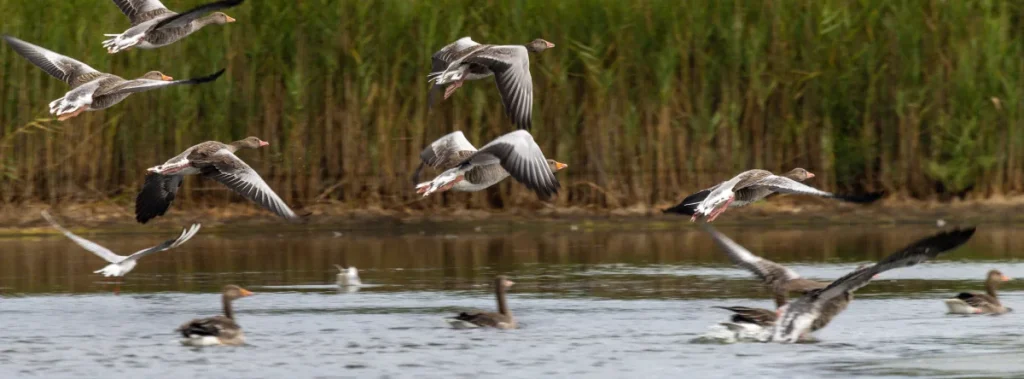
Grüner Brink covers 134 hectares along the northern coast, between the dyke and the sea. Dyke construction altered the coastal currents in the late 19th century, encouraging the formation of small coastal lakes. Today, these wetlands attract waterbirds, waders and migratory species.
The red-necked grebe is one of the area’s characteristic birds. You might also spot geese, ducks, mergansers and terns. Marked paths make it easy to explore, although some areas are closed during the breeding season.
Nördliche Seeniederung
This northern lagoon landscape stretches along part of Fehmarn’s north coast, with inland lakes, reed beds, wet meadows and sections of dyke. It’s an open landscape where birds are often seen at a distance, so binoculars are particularly useful.
If you’re exploring by bike, you can visit several observation points without entering restricted areas. Stopping beside the dyke gives you a good view across the water, reeds and surrounding fields.
Krummsteert-Sulsdorfer Wiek
The south-western tip of Fehmarn has some of the island’s strictest access restrictions because of its importance to birdlife. Krummsteert-Sulsdorfer Wiek brings together sandbanks, salt marshes, reed-fringed lagoons and shallow waters, providing valuable habitats for birds using this part of the island.
The core area of Krummsteert is closed to visitors to protect important breeding and resting grounds. Birdwatching must take place from permitted paths near Orth, Püttsee and Flügge Lighthouse.
You may spot oystercatchers, plovers, little terns and other coastal birds here. During the autumn migration, waders also gather on the mudflats of Sulsdorfer Wiek.
What birds can you see in Fehmarn?
The species you encounter will depend on the habitat, season and weather conditions. Ducks, geese, swans, grebes and mergansers can be found around lagoons and inland lakes. Reed beds shelter more elusive birds, including reed warblers, reed buntings and bitterns.
Beaches, salt marshes and muddy shores attract oystercatchers, plovers, redshanks and sandpipers. Gulls and terns fly over the water, while open fields attract skylarks and pipits. Birds of prey travelling south from northern Europe may also pass over the island during the main migration periods.
Watching a bird’s silhouette, flight pattern, beak shape and feeding behaviour can help you distinguish between different groups. And even if you can’t identify every species, there’s still plenty to enjoy.
Fehmarn’s wildlife beyond the birds
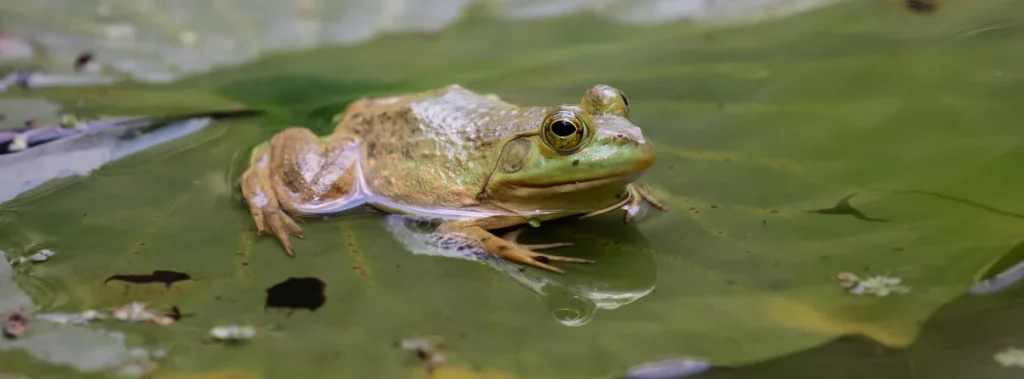
The wetlands also support populations of amphibians, insects and small mammals. In Wallnau and other wetland areas, you may come across frogs, toads, dragonflies and butterflies. Foxes can sometimes be spotted in open areas, although they generally keep their distance from walking paths.
The waters of the Fehmarn Belt are also worth exploring for marine wildlife. Sandbanks, reefs and currents attract fish that provide food for harbour porpoises. Harbour seals and grey seals have also been recorded in the surrounding waters. Spotting these animals from land takes a little luck, along with good visibility and suitable sea conditions.
If you come across a seal resting on the beach, keep well back, leave its route to the water clear and make sure dogs don’t approach. The priority is to let the animal behave naturally without disturbance.
When is the best time for birdwatching?
Spring and autumn bring the greatest migratory movements. During the spring months, birds arrive on their way to breeding grounds further north, while others settle temporarily on Fehmarn. In late summer, the southward migration begins and continues through autumn, bringing waders, ducks and geese, land birds and some birds of prey.
Summer offers a different experience. Many birds are breeding, and the long days make early mornings and late afternoons particularly pleasant for wildlife watching. During this season, pay close attention to temporary closures and avoid approaching nests, chicks or restricted areas.
In winter, the variety of land birds decreases, but inland lakes and coastal waters attract waterbirds. Wind and rain can change conditions quickly, so it’s worth checking the weather in Fehmarn before planning your outing.
Tips for responsible wildlife watching
Watching wildlife in Fehmarn means visiting some of the island’s most valuable yet sensitive natural habitats. The aim is to observe without intruding: keep your distance, stay on marked paths and use designated observation points to avoid disturbing the birds.
- Bring binoculars and use birdwatching hides for a closer view without physically approaching the animals.
- Stick to permitted paths and respect seasonal closures, even if you can’t see any birds nearby.
- Keep your voice down and put your phone on silent.
- If you’re travelling with a dog, keep it on a lead and check the rules for each reserve.
- Avoid playing recordings of bird calls to attract birds, as this can disturb territorial or breeding behaviour.
Wildlife photography calls for patience, too. A distant photograph taken from an authorised viewpoint is far better than causing an animal to leave its shelter.
A nature getaway with accommodation beside the Baltic
The IFA Fehmarn Hotel & Ferien-Centrum is located in Südstrand, beside the beach on the island’s southern coast. It’s a convenient base for planning trips to Wallnau, Grüner Brink and the northern lagoons, with time left over for coastal walks or a visit to Burg.
You can also plan your stay with our guide to things to do in Fehmarn, where you’ll find more ideas for nature outings and cultural visits. Spending several days on the island gives you the flexibility to adapt your excursions to the wind and rain, which can be particularly useful in a coastal destination.
Fehmarn offers a wonderfully unhurried way to discover the natural world of the Baltic. A pair of binoculars, time to stop and look around, and respect for its protected areas are all you need to start seeing the island in a different light.