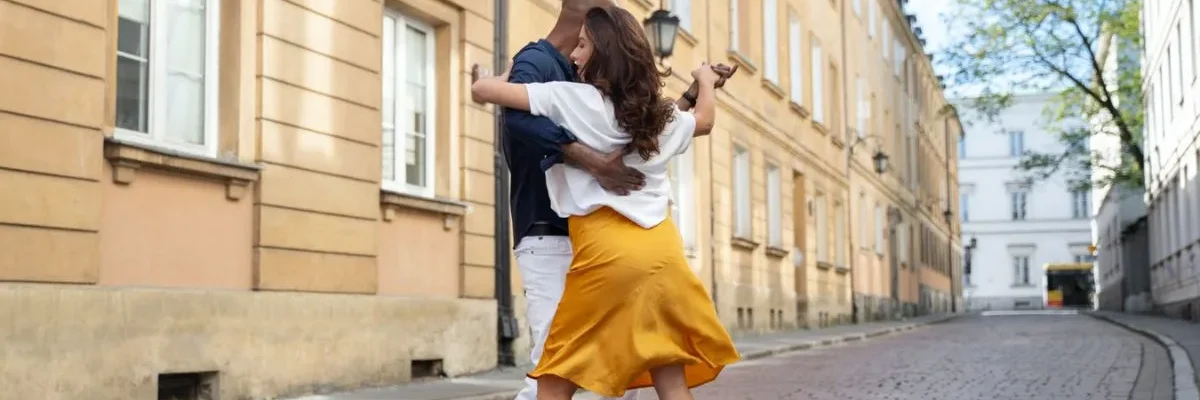
Popular dance preserves an important part of a community’s collective memory. Its steps, instruments, movements and social traditions reflect community life, cultural exchange, rural customs, public celebrations and urban change. Traditional dances can therefore be understood as forms of intangible cultural heritage that carry shared codes, social connections and rhythms from one generation to the next.
In the Dominican Republic, this cultural importance is especially clear in merengue and bachata, two genres that emerged in popular settings and eventually became central to the country’s musical identity. Salsa and son also reflect the Dominican Republic’s connection to the Spanish-speaking Caribbean and to a broader dance tradition shaped by migration, travel between islands, shared instruments and overlapping musical repertoires.
Traditional Dominican dances bring together history, music, movement and social life. This guide explores the country’s most representative rhythms, their origins, instruments, basic steps and the places where you can still hear them performed live during a trip to Santo Domingo or Punta Cana.
Music and dance as part of Dominican cultural heritage
Learning about traditional Dominican music and dance reveals more than the country’s best-known genres. Each rhythm has its own social role, musical history and way of bringing people together: merengue as a national dance associated with celebration, bachata as an urban and emotional form of expression, and salsa and son as part of a broader Caribbean musical tradition.
These genres are more than music for the dance floor. They also shape social interaction through couples, groups, parties, improvisation, physical response to rhythm and instruments that have been part of everyday Dominican life for decades.
Traditional Dominican dances are part of a living cultural heritage. They continue to evolve while remaining deeply rooted in the country’s social life.
Merengue: national rhythm, social dance and living heritage
Merengue is the musical genre most closely associated with Dominican national identity. It emerged in the mid-19th century and gradually spread across different parts of society until it became one of the country’s most recognizable musical traditions. Its cultural importance received international recognition in 2016, when UNESCO added merengue to the Representative List of the Intangible Cultural Heritage of Humanity.
Early forms of merengue were played with string instruments such as the guitar and bandurria. Over time, ensembles began incorporating the instruments now most closely associated with its sound: the accordion, tambora drum and güira, along with saxophone, timbales and keyboards in some groups.
The combination of percussion, melody and repeated rhythmic patterns creates an energetic structure that lends itself naturally to social dancing.
Bachata: popular roots and social transformation
Bachata holds an essential place in the history and culture of dance in the Dominican Republic. It emerged in working-class communities during the early 20th century and was long associated with bars, lower-income neighborhoods and social spaces outside the country’s more established cultural circles. Over time, that background stopped being treated as a stigma and became part of the genre’s cultural significance.
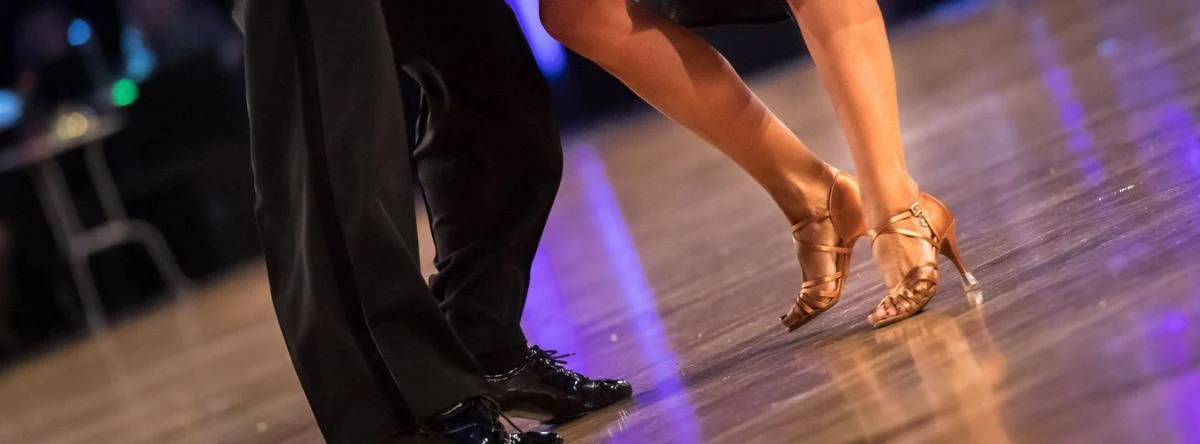
Musically, bachata draws from bolero, Cuban son and merengue. Its lyrics often explore love, loss, desire, distance and heartbreak. That emotional quality carries over into the dance, where partners stay physically closer than in many other genres and use side-to-side steps, hip movements and gentle turns.
Bachata moved from the social margins to international recognition. Artists such as Víctor Víctor and Juan Luis Guerra helped broaden its audience and raise its profile within Dominican music.
Today, bachata is one of the country’s most representative dances, with a strong presence in dance schools, live performances, parties and tourist venues.
Salsa and son: rhythms shared across the Caribbean
Salsa and son did not originate exclusively in the Dominican Republic, but both are part of the country’s musical landscape and its broader relationship with the Spanish-speaking Caribbean. Their presence in clubs, celebrations and live-music venues shows how rhythms travel, adapt and become part of new social settings.
Son is especially closely associated with Cuba and is one of the most influential musical traditions in the Caribbean. Its rhythmic structure, melodic patterns and interplay between percussion and vocals shaped many later genres. Bongos, claves, guitar, trumpet and piano may all appear in ensembles connected to this musical tradition.
Salsa developed as an urban blend of Caribbean and Latin rhythms. Its connection to Cuban son is clear, although salsa often features larger arrangements, more prominent brass sections and a sound created for big bands and dance halls.
In the Dominican Republic, both genres coexist with merengue and bachata in nightlife and celebrations. Their presence shows that Dominican dance traditions belong to a wider cultural network connected to Cuba, Puerto Rico, New York and other places where Caribbean music has had a major influence.
Where to hear popular Dominican music and watch people dance
Santo Domingo is one of the best places to hear live Latin music. The capital has clubs, bars, dance venues and spaces with live bands, particularly in areas known for nightlife and tropical music. Performances often begin late, so arriving early can make it easier to find a comfortable place.
These venues bring merengue, bachata, salsa and son to life in a way recordings cannot fully capture. Live music makes it easier to hear the interaction between instruments, vocals, improvisation and audience response. It can also help first-time listeners distinguish between rhythms that may initially sound similar.
Punta Cana also has places where visitors can hear and dance to these genres during their vacation. Hotels, bars, entertainment venues and cultural activities often include Dominican music in their schedules.
Travelers discovering these styles for the first time may also find introductory merengue, bachata or salsa classes, which provide a practical way to learn the basic steps before watching experienced dancers on the floor.
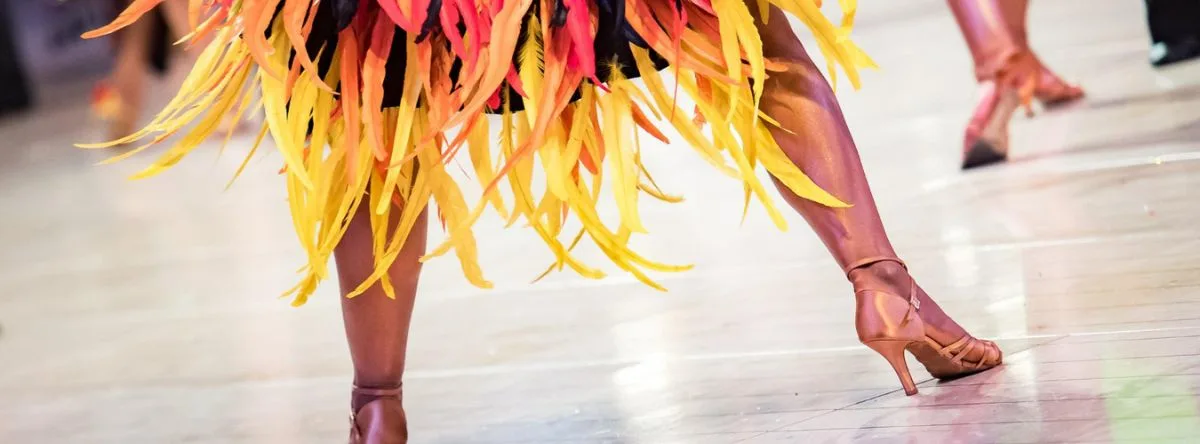
Traditional Dominican dances during a trip to Punta Cana
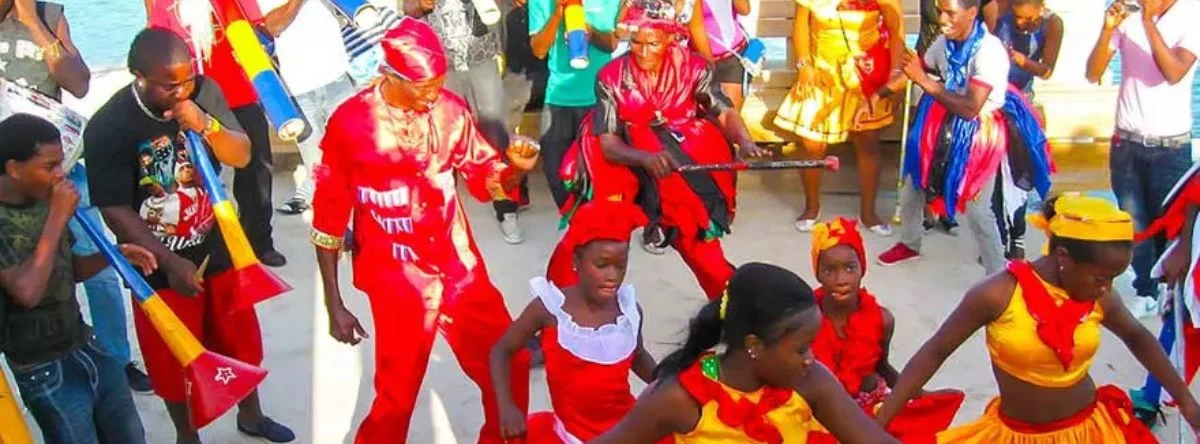
Traditional dances in the Dominican Republic are not static folkloric displays. They remain alive because people continue to dance, teach, reinterpret and perform them in many different settings, including family celebrations, neighborhood gatherings, nightclubs, professional stages and hotels. That constant presence keeps their cultural meaning strong.
During a trip to Punta Cana, you can connect with Dominican culture through dance, music and local celebrations. Merengue represents the country’s festive, nationally recognized tradition. Bachata brings a more intimate and emotional quality. Salsa and son connect the destination to the wider musical culture of the Caribbean.
Each genre has its own body language, rhythmic structure and way of moving across the dance floor.
Learning to recognize these dances also provides more context for understanding the Dominican Republic. The music carries stories of popular origins, cultural exchange, urban life, celebration, memory and social change.
Recognizing a merengue rhythm, following the steps of a bachata or hearing a live orchestra can become one of the most direct ways to connect with Dominican culture during your trip.
And if you feel like giving these dances a try, join the Dancing Lessons at Lopesan hotels in Punta Cana. Every week, we offer Latin dance classes where you can let the music move you, learn new steps, and enjoy authentic Caribbean rhythms during your vacation.