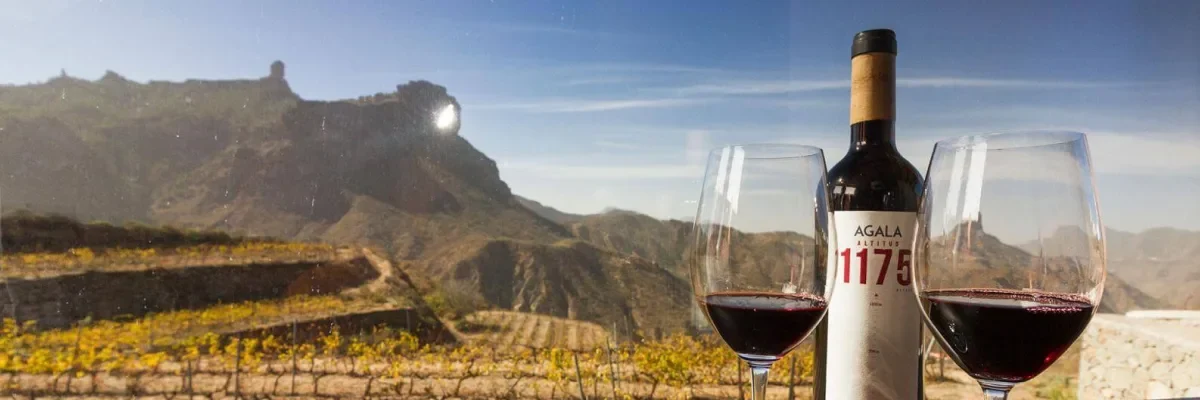
The wines of the Canary Islands are renowned for their uniqueness, due to the volcanic nature of the soil and the subtropical climate of the region. Canary Islands wines are characterised by the use of native grape varieties, some of which are found nowhere else in the world due to the absence of phylloxera, a plague that destroyed many vineyards in Europe in the 19th century. These varieties include Listán Blanco, Malvasía Volcánica and Negramoll, among others.
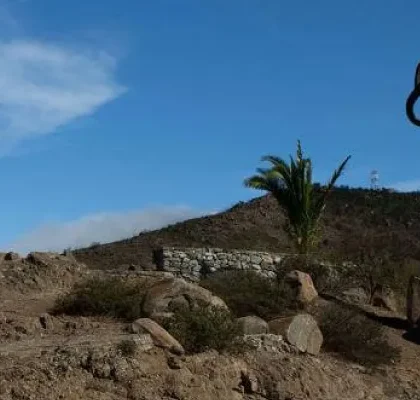
Each of the islands in the archipelago produces wine, with Tenerife leading the way thanks to its great variety of microclimates and volcanic soils. The cultivation techniques used in the islands are also unique; in Lanzarote, for example, the vines are planted in holes protected by stone walls to retain moisture and protect them from the wind.
Wine from the Canary Islands, especially the sweet Malvasia, has always been appreciated in Europe and has been mentioned in literary works such as those of Shakespeare. Today, these wines continue to be internationally recognised and have won several awards for their quality and uniqueness.
Canary Islands wines: eleven quality seals
The wines of the Canary Islands have eleven quality labels that certify their excellence and authenticity. These labels, which are recognised both nationally and internationally, reflect the work and passion of the Canary Islands’ winemakers, who have taken advantage of the unique conditions of their land to produce exceptional wines. Each of these labels guarantees that the wines have been produced under strict quality controls, respecting the traditions and characteristics of the region.

The combination of subtropical climate, volcanic soils and the influence of the trade winds create an ideal environment for the cultivation of a wide variety of grape varieties in the Canary Islands. This results in wines with unique aromatic and flavour profiles, ranging from fresh and fruity whites to intense and complex reds. The variety of microclimates and the different cultivation techniques used on each island contribute to the uniqueness of these wines, making each quality label a guarantee that the product is genuine and of the highest quality.
The classification of Canary Islands wine
The Islas Canarias Protected Designation of Origin (DOP) guarantees the quality and authenticity of the wines produced in the Islands. This classification allows consumers to identify the origin and specific characteristics of the wines and is also a way of guaranteeing that each bottle meets certain production standards. Canary Wine officially classifies these wines according to their geographical origin as follows
Regional wine
Regional wines are made with grapes from different plots of land in the geographical area of the Canary Islands. This category allows greater flexibility in the selection of grapes, resulting in wines that capture the essence of the different soils of the islands. Regional wines tend to have a complexity and aromatic richness that reflect the diversity of the Canary Islands landscape, combining the characteristics of different wine-growing areas.
Island wine (VI)
Island wine is made from grapes grown in vineyards located in one of the islands recognised as a minor geographical unit for the Canary Islands PDO, such as Tenerife or Fuerteventura. Island wines tend to have a more defined and characteristic profile of the specific island from which they originate.
Municipal wines (VM)
Municipal wines are made from grapes grown on plots belonging to the same municipality, where vinification and bottling take place. Municipal wines usually adopt traditional and specific wine-growing practices of the area.
Single vineyard wine (VP)
A single vineyard wine is made from grapes grown on a single plot of land located in a site or enclave with edaphic and microclimatic characteristics that distinguish it from the surrounding area. This category is the most specific and highlights the uniqueness of a particular site.
Classification of Canary Islands wines
Red wines from the Canary Islands
White wines from the Canary Islands
The white wines of the Canary Islands are renowned for their freshness and aromatic profile. They are made from indigenous varieties such as Listán Blanco and Malvasía Volcánica, which give them a balanced acidity and a pronounced minerality. These wines usually have citrus and floral aromas.
Semi-sweet wines from the Canary Islands
The semi-sweet wines of the Canary Islands, made mainly with the Malvasia variety, offer a balance between sweetness and acidity. They are known for their aromas of tropical fruit and honey, and their soft and persistent flavour, which makes them ideal with desserts and cheeses.
Canarian wine curiosities
The wine culture of the Canary Islands is full of peculiarities and unique practices that distinguish it from the rest of the world. Here are some of the most interesting:
- The absence of phylloxera: The Canary Islands are one of the few wine regions in the world not affected by phylloxera, a plague that devastated European vineyards in the 19th century. This has allowed many native grape varieties to be preserved in their original form.
- Volcanic soils: The volcanic soils of the islands give the wines a distinctive minerality. The volcanic ash acts like a sponge, retaining and gradually releasing moisture, which is beneficial to the vines in a dry climate.
- Growing in holes (Lanzarote): On the island of Lanzarote, the vines are planted in holes protected by stone walls called zocos. These holes help to retain moisture from the dew and protect the vines from the wind. This unique method of cultivation is an ingenious adaptation to the dry conditions of the island.
- Native grape varieties: The Canary Islands have a rich selection of indigenous
- grape varieties, some of which cannot be found anywhere else in the world. Among the most outstanding are Listán Negro, Listán Blanco, Malvasía Volcánica and Negramoll.
- Microclimates: The variety of microclimates on the islands allows for a wide range of wine styles: with cool, humid areas at high altitudes and warmer, drier areas at sea level, each microclimate contributes to the creation of wines with unique characteristics.
- Hand harvesting: Due to the rugged geography and traditional cultivation techniques, harvesting in the Canary Islands is mainly done by hand. This artisanal approach allows a careful selection of the grapes and contributes to the high quality of the wines produced.
Now that you know a little more about the wines of the Canary Islands, organise your holiday and discover them. Immerse yourself in the wine culture of the archipelago and enjoy the different varieties and flavours that these islands have to offer. If you are looking for accommodation in the Canary Islands, the Lopesan Hotel Group offers comfort and luxury in privileged locations, ideal for exploring the local wineries and vineyards. Don’t miss out!