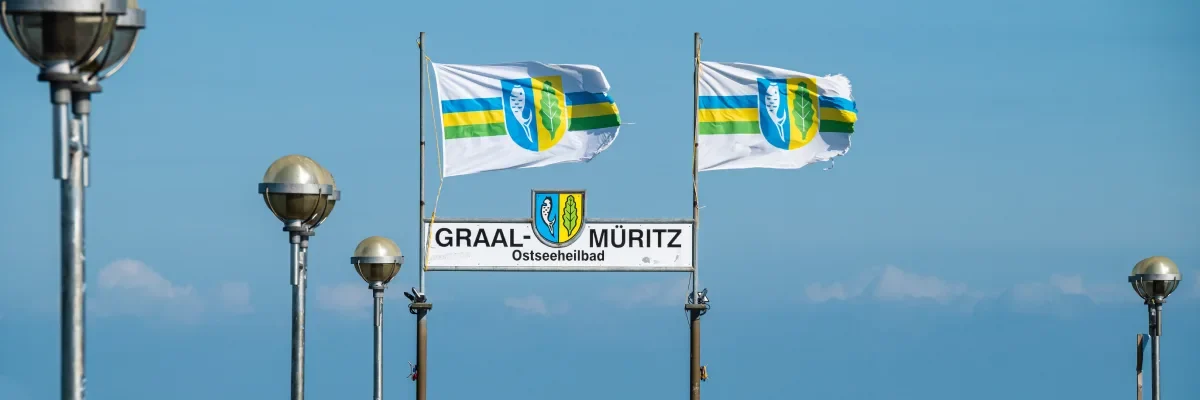
The time you choose to visit Graal-Müritz will shape your trip to a large extent. This German seaside town, set along the Baltic coast, sits where the Ribnitz-Müritzer Heide forest meets the open sea. This particular location creates air rich in moisture and salt, something you will notice very differently depending on the time of year you travel.
If you visit during the summer months, you can enjoy beach life and the lively coastal atmosphere, while the rest of the year turns the town into a health retreat defined by silence and calm. In the end, cold temperatures and northern winds play a decisive role in planning each day, whether you want to walk through nature or experience the therapeutic benefits of this environment.
What the climate in Graal-Müritz is like throughout the year
Weather in this part of the German coast changes quickly, and the influence of the sea is noticeable everywhere. Depending on when you visit, the landscape and thermal sensations can feel completely different. If you are planning your trip, this guide will help you understand what to expect in each season.
Summer: beach season and long days
From June to August, Graal-Müritz reaches its peak activity. Days are long, and sunlight allows you to make the most of the beach from early morning, although temperatures remain moderate.
Do not expect the intense heat of southern Europe; average temperatures hover around 23 °C, ideal for walking along the shore or sitting on the promenade terraces.
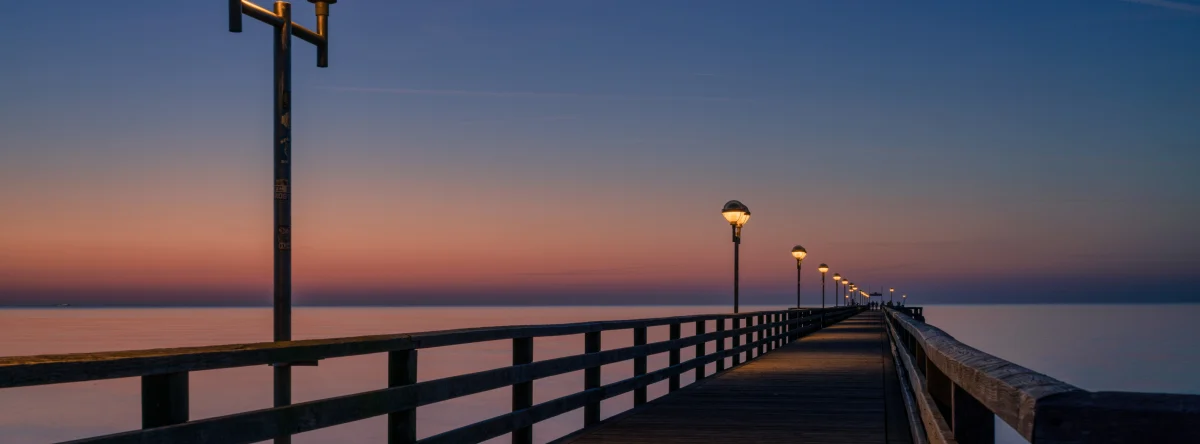
Life centres around the wooden pier, the heart of the town, where there is a steady, relaxed atmosphere. As for swimming, it is worth noting that the Baltic has character. Even in August, water temperatures rarely exceed 20 °C. Still, it is perfect for a refreshing dip and long days that stretch until nearly ten in the evening.
Autumn: walking between sea and amber forests
September marks the start of one of the most appealing times to visit. The gentle summer warmth fades and temperatures drop below 15 °C, but in return the Ribnitz-Müritzer Heide forest offers a striking visual display.
Trees shift in colour, and fallen leaves cover the ground, creating a strong contrast with the grey-blue tones of the sea.
It is the ideal season for those who prefer quieter surroundings and enjoy walking or cycling through nature. The air becomes denser and more humid, intensifying the distinctive scent of pine and sea salt typical of Graal-Müritz. Although days grow shorter, the autumn light over the Baltic has a clarity that makes any walk along the beach worthwhile, provided you have a good jacket to protect against the wind.
Winter: cold air, snow and complete stillness
By December, the town slows to a minimum. Winter in northern Germany is cold, with temperatures often around 0 °C and winds coming directly from the sea.
It is not unusual to see the beach lightly covered in snow, transforming the landscape into something almost unreal and deeply quiet.
During these months, Graal-Müritz becomes an ideal place for a health retreat. The cold air is exceptionally clean, and walking along the coast while properly wrapped up helps clear the lungs and disconnect from daily noise. Silence dominates, allowing a sense of calm that does not exist in other seasons. It is a time for shorter walks and for seeking warmth in a good spa after facing the Baltic climate.
Spring: nature awakening and rhododendrons in bloom
From April onwards, the cold begins to ease, although spring weather can be unpredictable. It is common to experience bright sunshine followed by sudden showers, but by late May conditions become more stable and temperatures rise to around 15 °C.
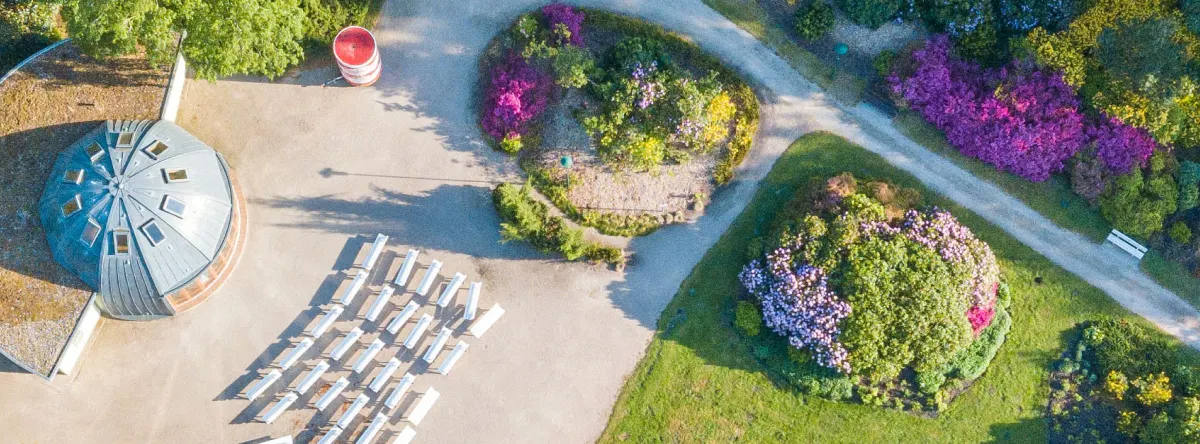
This is the most anticipated period for plant lovers, as the town’s Rhododendronpark bursts into colour. Thousands of flowers fill the park, and the atmosphere becomes noticeably softer.
It is a perfect transitional season for walking through the forest without heavy winter clothing, enjoying the first warm sunlight that signals the return of beach season.
What to pack: the importance of layering
Even in summer, it is best to be prepared to add or remove layers throughout the day. Weather on the Baltic coast changes quickly, and even if the morning starts clear, proximity to the sea can shift temperatures at any moment.
If you travel in warmer months, do not rely solely on short-sleeved clothing. Once the sun sets, temperatures drop and the sea breeze cools the air more than expected. Having a light jumper or sweatshirt on hand will make evenings on the promenade far more comfortable.
For the rest of the year, footwear and moisture-resistant clothing are essential:
- Footwear with good grip – You will walk a lot, either on sand or along forest paths. Comfortable trainers are essential for exploring the Rhododendronpark or the trails leading towards Ribnitz-Damgarten.
- Waterproof jacket and windbreaker – In autumn and spring, a proper raincoat is necessary. Not only for rain, but to protect against the damp wind along the pier.
- Sun protection and sunglasses – Baltic light can be intense. Even with cloud cover, reflections from the sand and sea can be strong.
After a day exploring the coastline or forest trails, returning to the IFA Graal-Müritz Hotel, Spa & Tagungen feels particularly rewarding. Its 1,500 m² wellness area, with indoor pool, saunas and thalassotherapy treatments, helps restore balance at a slower pace, with the Baltic Sea always nearby.
There is also time to enjoy the cuisine at the Orangerie restaurant, with themed buffets inspired by regional and international flavours, or to end the day with a drink at the Düne 26 beach bar, facing the dunes. Details like these complete the experience and explain why many travellers find this an ideal place to rest by the sea.