Vogtland is home to some of the most peaceful scenery in eastern Germany, with reservoirs, waterside paths, small towns and green spaces that change noticeably with the seasons. The lakes of Vogtland are a good way to explore this region and spend time outdoors, with walks, cycling routes, water sports and stops to enjoy the surroundings.
Among its best-known spots are Talsperre Pöhl, Zeulenrodaer Meer and Talsperre Pirk, places where water and the forests of Vogtland form part of the same landscape. If you feel like discovering a greener, less obvious side of Germany, nature in Vogtland offers a rewarding escape: water, trails, viewpoints, charming small towns and a calm pace of travel, far from the usual city routes.
Lakes of Vogtland: nature, water and green landscapes in Germany
Vogtland may not be Germany at its most monumental, and that is exactly where much of its appeal lies. This region, spread across Saxony, Thuringia, Bavaria and a small part of Bohemia, has a very distinctive landscape: gentle hills, open valleys, wooded areas, quiet towns and large reservoirs.
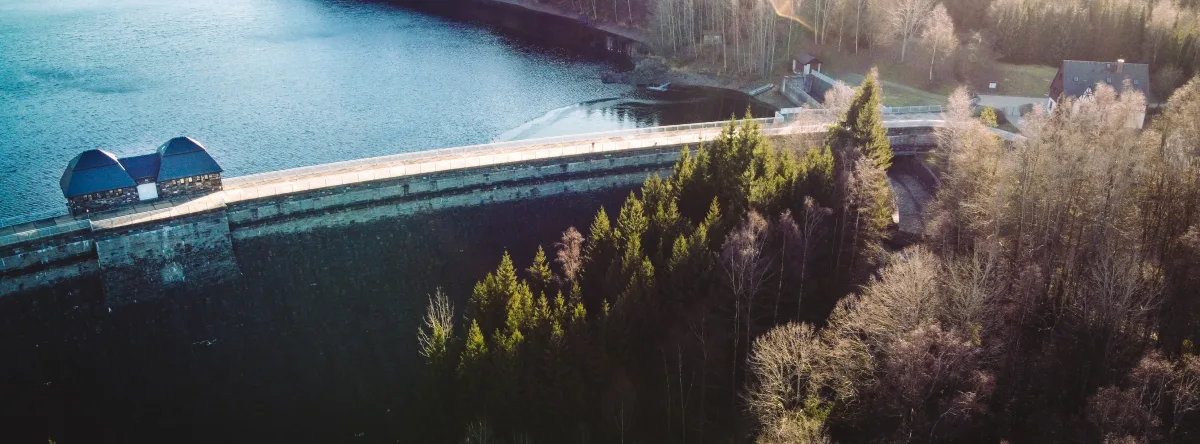
In many cases, the lakes of Vogtland are reservoirs built during the 20th century to regulate water levels, supply different areas and protect valleys from flooding. That origin explains part of their current appearance: dams, wide banks, waterside paths, wooded areas and spaces set up for swimming, boating, hiking or cycling.
Historic reservoirs and outdoor activities
Talsperre Pöhl is one of the most representative examples. This reservoir was built between 1958 and 1964 on the River Trieb, a tributary of the Weiße Elster, and today it is one of the region’s main outdoor recreation areas.
There you can:
- swim in designated areas;
- go boating or sailing;
- try surfing;
- walk by the water;
- follow cycling routes.
What makes Pöhl interesting is that the reservoir is not just a place for swimming. There are trails, jetties, wooded areas and points where you can continue your route through the valley. Nearby, you will also find the Elstertalbrücke, a major 19th-century railway bridge over the Weiße Elster valley. Its presence adds a historical layer to the route and shows one of the recurring features of Vogtland’s landscape: nature, engineering and local history side by side.
Waterside routes around Zeulenrodaer Meer
Zeulenrodaer Meer, a large reservoir in Thuringia within Vogtland’s natural setting, offers another way to explore the region. Its full circular route is 45 kilometres long, although several signposted connections create routes ranging from 3 to 18 kilometres.
You can choose a short walk, a half-day hike or a longer route through forest, shoreline and viewpoints. The area also has accessible sections near Riedelmühle, suitable for gentle walks, wheelchairs and pushchairs.
How to enjoy Vogtland’s lakes on different types of trip
A visit to the lakes of Vogtland can be organised in several ways depending on the time available, the season and the level of activity you have in mind. The region has reservoirs with recreation areas, waterside paths, forest sections, swimming areas and signposted routes, so it is easy to plan different kinds of outings.
If you are planning to spend several days in the area, choosing well-located accommodation in Vogtland will help you combine waterside routes, sports activities and visits to nearby towns.
For an active break
If you want a more active break, nature in Vogtland offers routes for walking and cycling through different parts of the landscape. The routes around the reservoirs allow you to alternate stretches by the water with paths through trees, gentle climbs and sections passing through rural settlements. The terrain is not as demanding as an Alpine area, but it has enough variety for a walk of several hours or a half-day cycling route.
In the warmer months, some areas offer water-based activities such as swimming, boating or wind-based sports. To make the most of the day, you can start with a walking or cycling route and leave the afternoon for resting by the water or trying an activity on the lake.
For a quiet day by the water
You can also plan a simpler visit, with short walks, rest areas and stops along the shore. In many places, the reservoirs are surrounded by trees, meadows and easy paths, suitable for exploring the surroundings without too much planning.
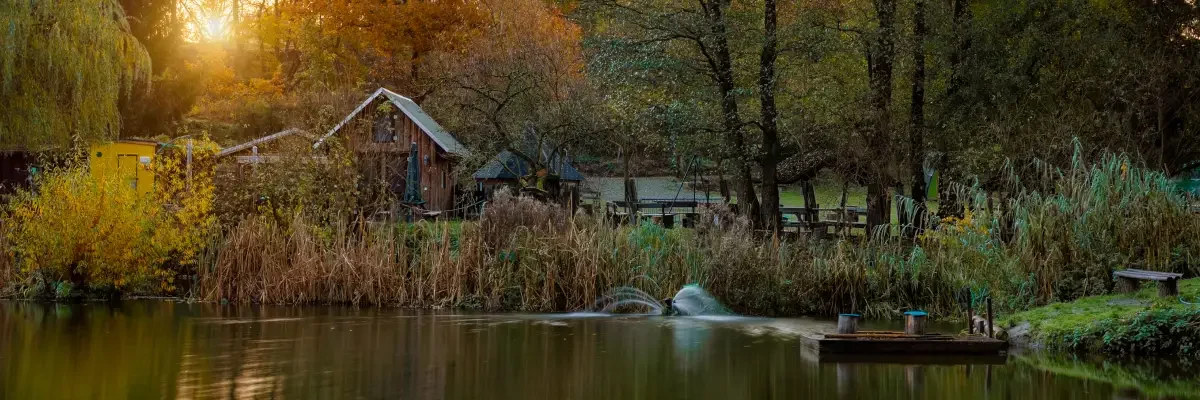
This type of day works especially well in spring and autumn. In spring, the landscape becomes greener and the routes by the water are pleasant for walking. In autumn, the forests of Vogtland change colour and bring more variety to the paths. In both cases, the visit can focus on the scenery, photography, viewpoints and the small towns nearby.
For families
The lakes in the region also offer practical options for family trips. Accessible sections, rest areas, swimming zones and short routes make it easier to spend a day outdoors with children, pushchairs or people who prefer moderate walking distances.
For a first visit, it is worth checking access, parking, services and the route in advance. At some reservoirs, there are sections that allow you to return to the starting point without completing a long route, which is useful if you are travelling with children or with people who prefer shorter distances.
Vogtland’s forests: terrain, vegetation and seasonal landscapes
Vogtland’s forests form part of a low mountain landscape, with river valleys, reservoirs, wooded slopes and rocky outcrops. The region is also home to the Geo-Umweltpark Vogtland, a geopark of around 388 km² with geological routes, rock formations, former mining areas and water landscapes.
If you want to extend your route beyond the reservoirs, the Vogtland Nature Park brings together mid-mountain scenery, forest paths and sites of geological interest within the same region.
Forest paths, rocks and valleys
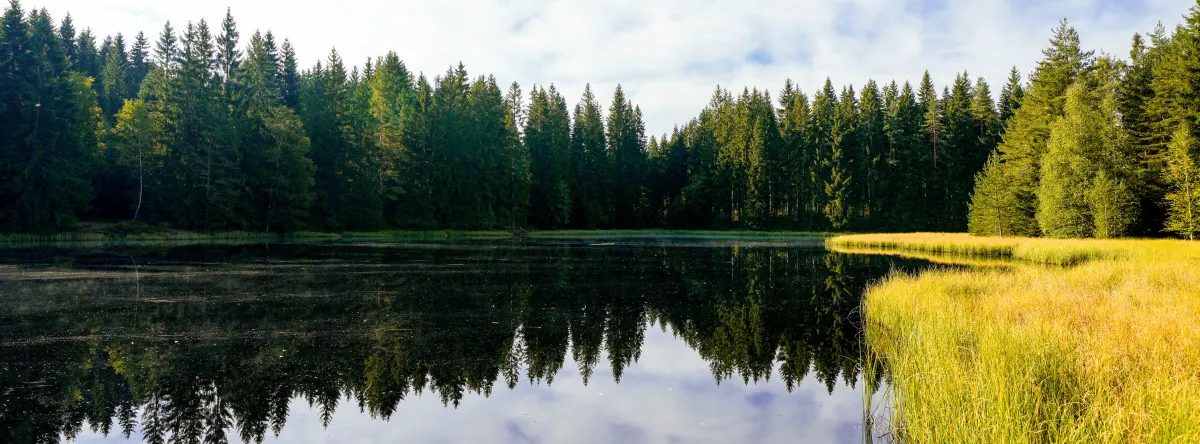
The forest paths of Vogtland pass through varied scenery, with narrow valleys, rocky slopes, open meadows and sections beside streams or reservoirs. The Felsenwege, or “rock trails”, are a good example: they connect hiking and geology in central Vogtland, with rock formations, forests, viewpoints and passages through valleys such as the Geigenbach and the Göltzsch.
This geology is also visible in places such as Schneckenstein, a topaz-rich outcrop in the Muldenhammer area. The rock reaches an altitude of 883 metres and is one of the best-known geological sites in Upper Vogtland.
Vegetation and seasonal changes
Vogtland’s vegetation reflects a landscape that shifts between valleys, wetlands and higher-altitude areas. In German forests, species such as Norway spruce, pine, beech and oak are common, with more conifers in higher areas and more broadleaf trees in milder zones.
In spring, the forest routes fill with new growth and streams often carry more water. In summer, wooded areas provide shade on routes near the reservoirs. In autumn, beeches, oaks and other broadleaf trees bring colour to the paths. In winter, the altitude of Upper Vogtland can bring snow to areas such as Klingenthal, Schöneck and Muldenhammer, which changes route conditions and makes it advisable to check trail conditions before setting off.
Tips for visiting nature in Vogtland
Before planning a route through nature in Vogtland, check a few practical details. Services, access and activities can vary depending on the season and the reservoir you choose.
- Check the weather forecast: In forest, valley and reservoir areas, temperature, wind or rain can change during the day.
- Check access and parking: Some places have designated areas close to the water, while others require a short walk before reaching the shore.
- Look up seasonal services: Swimming areas, jetties, equipment hire, restaurants and water activities may only be available at certain times of year.
- Wear suitable footwear: Many routes combine earth, gravel, forest paths, waterside sections and areas with roots.
- Take water and something to eat: On some routes, services are not close by, especially outside the main recreation areas.
- Check the accessibility of the route: If you are travelling with a pushchair, wheelchair or people who prefer short distances, check the distances, gradients and whether there are unsurfaced paths, gravel, roots or narrow sections.
A nature break in Vogtland with Lopesan
Vogtland is a great region for a nature break, outdoor routes and sports activities. In Schöneck, in the heart of Saxon Vogtland, IFA Schöneck Hotel & Ferienpark puts you within easy reach of a nature-focused break with views over the regional landscape and activities such as hiking, cycling, trail running and winter sports.
Lopesan offers a three-star hotel suited to families, couples, groups of friends and solo travellers. Its location allows you to visit the lakes and forests of Vogtland, walk in the surrounding area and enjoy activities in natural surroundings.
The hotel also has a wide range of leisure facilities for after a day outdoors. These include a bowling alley, tennis and squash courts, a skating area, a modern gym and a wave pool. There are also sports activities with the option of lessons, a children’s entertainment programme and options designed for guests looking for active holidays at any time of year. The dining options include regional and international dishes, so the stay can also include flavours from the area.
If you are looking for a trip with green landscapes, walking routes, sport and time to rest, Vogtland offers a rewarding way to discover Germany away from the usual city itineraries