Mangroves are coastal ecosystems made up of trees and shrubs that grow in flooded areas where fresh water and salt water come together. Found in tropical and subtropical regions, they play an essential role in protecting shorelines, providing shelter for wildlife and supporting the health of coastal environments.
In Punta Cana, mangroves and lagoons are found in protected wetlands along the coast, where water moves more slowly, salinity levels fluctuate and conditions favor species adapted to the transition between land and sea. Their appeal comes from the scenery, the biodiversity of Caribbean wetlands and the natural protection they provide against waves and coastal erosion.
How Punta Cana’s mangroves and lagoons form
Mangroves and lagoons in Punta Cana develop in low-lying coastal areas where water collects and circulates slowly. Sand, sediment and vegetation may partially separate a body of water from the open sea. That separation is not always complete. Tides, rainfall, underground water and freshwater runoff from inland areas can all influence the ecosystem.
Mangrove trees begin to establish themselves when these conditions remain stable over time. Their roots, often visible above the water or mud, are adapted to soft, flooded soil and changing salinity levels.
As the roots spread, they trap sediment, slow the movement of water and help stabilize the ground. This process explains why mangroves and lagoons often develop together along Punta Cana’s coastal wetlands.
Mangroves and lagoons as wildlife habitats
Punta Cana’s mangroves and lagoons provide the conditions many species need to feed, reproduce and find shelter. Slow-moving water, shaded areas and exposed mangrove roots create natural hiding places along muddy banks and shallow shorelines.
These wetlands support waterbirds, juvenile fish, crustaceans, mollusks and many smaller organisms found in tropical coastal ecosystems. The exposed roots of red mangroves are among the most recognizable features of this landscape.
Those roots also perform an important ecological function. They hold sediment in place, stabilize the shoreline and reduce the force of waves and currents.
Punta Cana’s mangroves therefore have significant environmental value. They protect the coast, support wildlife and create habitats where fresh water, salt water and vegetation interact constantly.
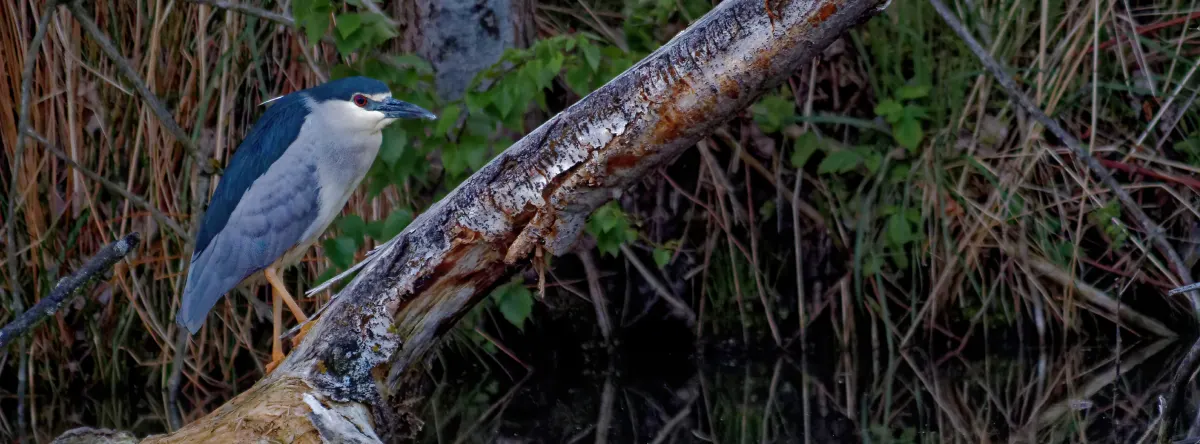
Bávaro Lagoon, Punta Cana’s best-known wetland
Bávaro Lagoon is a coastal lagoon near Cabeza de Toro, only a short distance from the ocean. Its landscape is defined by calm water, salt-tolerant vegetation and frequent sightings of waterbirds.
The lagoon brings together many of the main features of Caribbean coastal wetlands in a relatively accessible setting. The scenery feels very different from Punta Cana’s open beaches. The water is more sheltered, vegetation becomes more prominent and wildlife finds suitable areas to feed, rest and breed.
Bávaro Lagoon may not have the immediate appeal of a beach, but it offers a different kind of experience. Visitors can watch birds, see mangroves up close and explore a landscape shaped by still water, dense vegetation and wetland wildlife.
Limón Lagoon, calm water, mangroves and rural scenery
Limón Lagoon is located near Miches, in El Seibo Province. It is often associated with Punta Cana because of its relative proximity and the excursions that leave from the area, but it lies outside the main resort district.
This distinction matters because the lagoon is surrounded by a more rural, less developed landscape than many places along Punta Cana’s tourist coast.
The area combines calm water, lush vegetation, mangroves and birdlife. Paths, coconut groves, small boats and nearby communities all form part of the scenery.
Limón Lagoon is a good choice for travelers looking for a nature-focused experience in a quieter setting with fewer tourism services nearby.
Tips for visiting without disturbing the environment
Mangroves and lagoons are fragile ecosystems. A responsible visit begins with the understanding that their appeal depends on a delicate natural balance between water, vegetation and wildlife.
- Choose guided visits or marked trails – Wetlands contain sensitive areas, and it is easy to damage soft shorelines, exposed roots or low vegetation without realizing it.
- Keep your distance from wildlife – Waterbirds and other species need quiet areas to feed, rest and breed. Watching them without getting too close protects both the animals and the quality of the experience.
- Do not touch roots, plants or nests – Exposed mangrove roots are an essential part of the ecosystem. Disturbing them can affect the soil, water flow and nearby wildlife.
- Bring only what you need – Insect repellent, water, sunscreen, comfortable shoes and a bag for your trash are generally enough. A lightweight backpack is easier to carry through humid areas.
- Keep noise to a minimum – These landscapes are best enjoyed quietly, while listening to birds, watching the water and observing how the vegetation changes around the lagoon
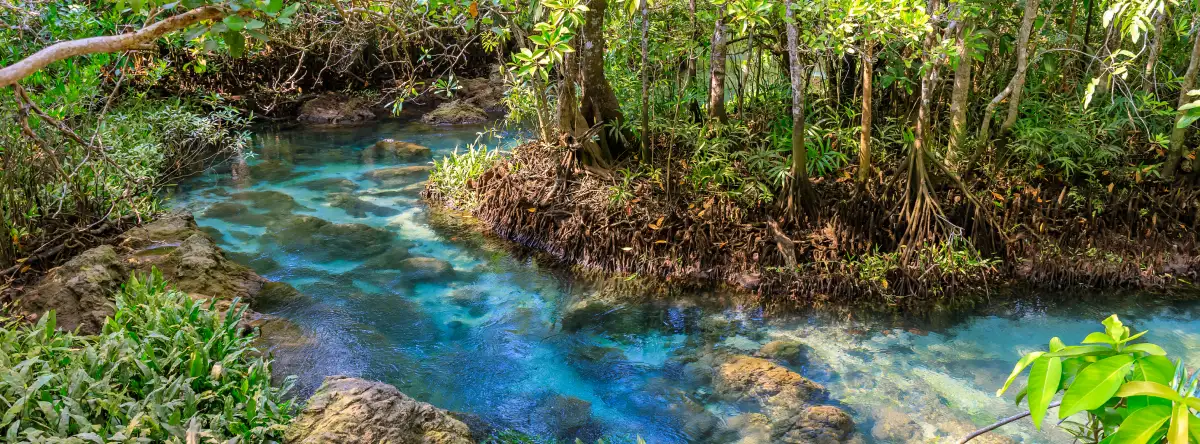
Punta Cana, water and oceanfront resorts
Water is part of nearly every landscape in Punta Cana. It shapes the coastline, coastal lagoons and mangrove wetlands, and it also influences the way many resorts design their pools, gardens and outdoor relaxation areas.
In Bávaro Beach, guests can enjoy the water in many different ways, including swimming, shoreline walks, freshwater pools, water sports and outdoor spaces designed for relaxing throughout the day.
Lopesan Caoba Lagoon Resort, Spa & Casino is especially well suited to this idea of a water-focused stay in Punta Cana. Its tropical grounds feature a cenote-inspired interior lagoon, lush vegetation, rooms set around the lagoon, swimming pools, pool bars, a beach club, spa facilities and water activities.
The lagoon gives the resort a more peaceful atmosphere and becomes a central part of both the landscape and the guest experience.
Lopesan Costa Bávaro Resort, Spa & Casino offers a stronger connection to the ocean and water-based activities. Located on Bávaro Beach, it features seven freshwater pools, an infinity pool, a children’s pool, the Unique Pool, two beach clubs, three pool bars and activities such as scuba diving, windsurfing, sailing and water skiing.
Lopesan Splash Cove Resort, Spa & Casino is designed with families in mind, with swimming pools, a water park, waterslides and dedicated water-play areas.
Lopesan Serenity Bay Resort, Spa & Casino offers an adults-only experience with a quieter atmosphere, an exclusive pool, a beach club, private areas, Bali beds, spa facilities and wellness services.