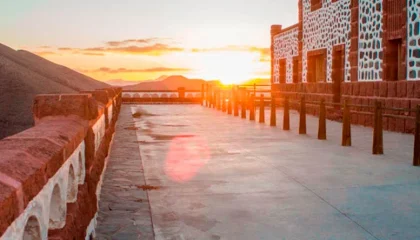
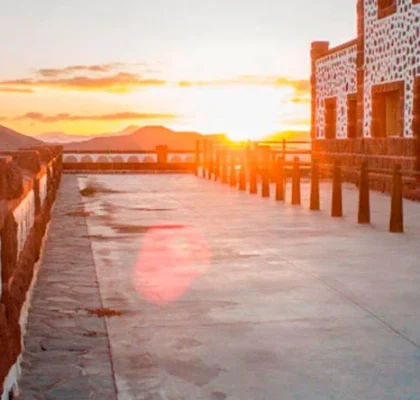
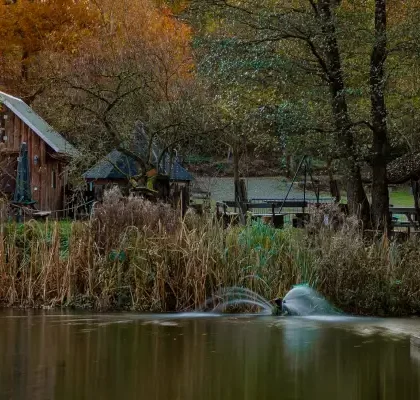
On a route through inland Fuerteventura, Antigua makes an easy stop among open roads, windmills and the Majorero landscape. This is where you will find the Fuerteventura Cheese Museum, a space that introduces visitors to one of the island’s most recognizable products: Majorero cheese.
The museum is divided into three main areas: the museum, the windmill and the garden. The visit begins with Fuerteventura’s volcanic landscape, then continues with the Majorera goat, shepherding, herds, milk and cheese, before ending with the history, culture and gastronomy of Majorero cheese. The Antigua Windmill then connects the experience with grain milling and gofio production. A cactus garden completes the visit with species adapted to the island’s dry climate.
What you will find at the Fuerteventura Cheese Museum
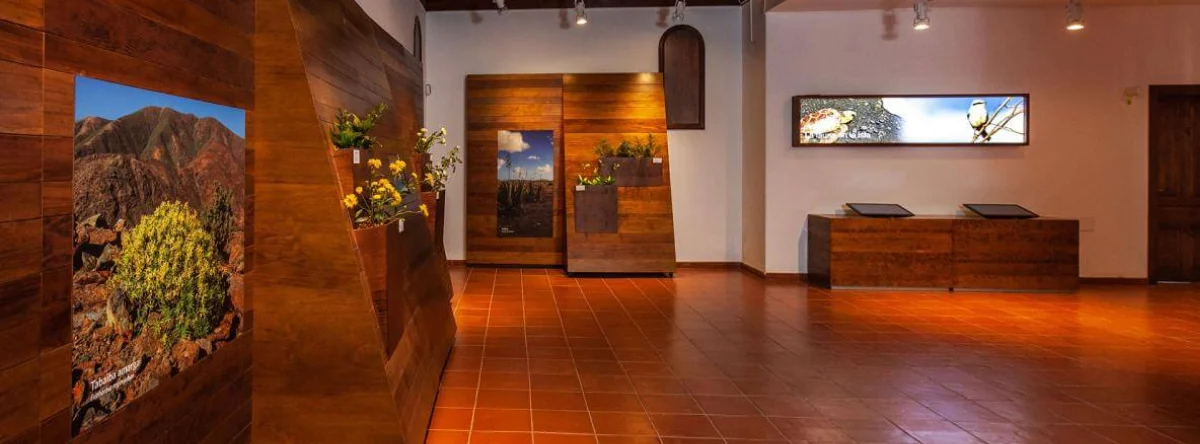
The Majorero Cheese Museum in Fuerteventura has a central courtyard, and its exhibits are organized around three main themes. The first focuses on Fuerteventura’s volcanic origins, topography, flora and fauna. The next section explores the Majorera goat, shepherding, herds, milk and cheese. The final part looks at the history, culture and gastronomy of Majorero cheese.
The museum is self-guided. You can explore at your own pace, spend more time in the culinary section, focus on the Majorera goat or continue on to the windmill and garden, depending on your plans for the day. Each visitor can shape the itinerary around their interests and the time available.
Fuerteventura’s volcanic landscape and biodiversity
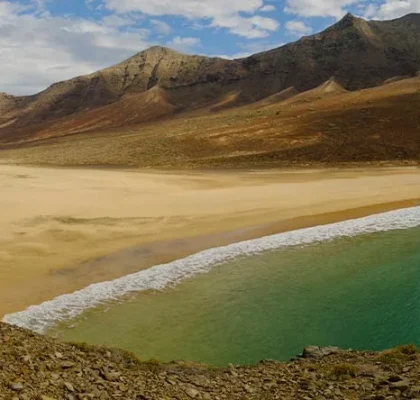
The first section of the museum begins with the island itself. Fuerteventura is presented through its volcanic origins, terrain, flora and fauna. This part explains why Majorero cheese is the product of a very specific environment.
The Majorera goat feeds on the resources available on the island, including endemic plants. This diet influences the aromas and flavors of Majorero cheeses.
The Majorera goat at the heart of the visit
The Majorera goat is central to the museum because the product cannot be understood without it. The exhibits present the goat alongside the shepherd, the herd, the milk and the cheese, linking the food directly to the traditional occupation and rural life of Fuerteventura.
This part of the visit highlights the relationship between the native breed, shepherding and adaptation to the local environment. Majorero cheese is more than a culinary specialty. It is the result of a very specific livestock farming tradition.
The history, culture and gastronomy of Majorero cheese
The final section of the museum focuses on the cheese itself. It was once a staple food for island residents and still plays an important role in the gastronomy of Fuerteventura, appearing in restaurants, specialty stores, markets, cheese dairies and tasting venues.
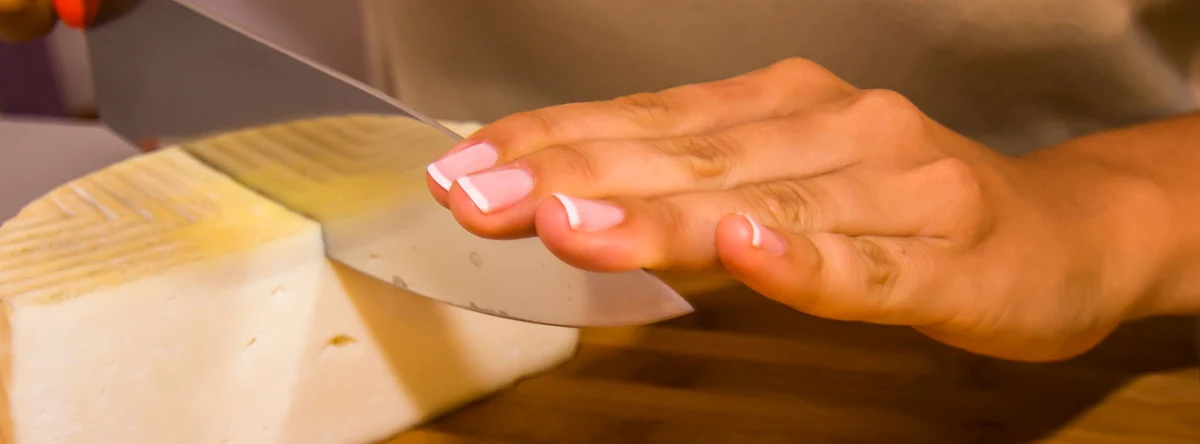
You can also take part in a Majorero cheese tasting with advance reservations. The tasting is not included in the admission ticket and is subject to availability, so it is best to check before planning your visit.
The Antigua Windmill and the tradition of gofio
The visit continues at the Antigua Windmill. This part broadens the focus to another essential Canary Islands food: gofio. Fuerteventura offered particularly favorable conditions for windmills because of its wide-open spaces, flat terrain and strong winds, especially in the central and northern parts of the island.
The Castilian windmill model arrived in Fuerteventura in the 18th century. These structures then began to spread across the island. The miller’s work was essential, as the speed and rhythm of the sails had to be carefully controlled to grind the grain properly.
The Antigua Windmill retains original machinery, including cogwheels, millstones, the hopper and the shaft connected to the sails. These components show how the milling process worked and the role the miller played in controlling it.
The museum also recalls how Fuerteventura became known as “the granary of the Canary Islands” because of the amount of grain it produced and exported to other islands. Much of this grain was used to make gofio from roasted, ground cereals.
The cactus garden: the outdoor part of the visit
After the museum and the windmill, the garden changes the pace of the visit. Fuerteventura was never an island covered in forests, although it had more vegetation before the arrival of its first human inhabitants than it does today. Extensive livestock farming, agriculture, firewood collection and lime kilns greatly reduced its plant cover.
Cacti and other species able to adapt to limited water, intense sun and strong winds thrive in this landscape. The garden contains species native to Fuerteventura and the Canary Islands, along with cacti from other parts of the world. Plants on display include the Jandía cardón, dragon tree, verode, golden barrel cactus, Canary Island cardón and sweet tabaiba.
How to plan your visit to the Fuerteventura Cheese Museum
Before planning your visit, check opening hours, admission prices and services on the museum’s website. Information may change depending on the season or for internal operational reasons.
If you are staying in Jandía, you can plan the visit as a half-day trip into the island’s interior. Antigua is conveniently located for combining the Cheese Museum with windmills, nearby towns and other cultural sites in Fuerteventura.
The museum’s location also makes it a useful stop on a route through central Fuerteventura, with visits to Antigua, windmills, inland towns and other nearby cultural attractions.
What to see near the Cheese Museum
The Fuerteventura Cheese Museum is located in an area that makes it easy to continue exploring inland. Antigua can serve as a starting point, with its open landscape and close ties to rural Majorero life.
If you are interested in windmills, the Windmill Interpretation Center is in Tiscamanita, a few miles south of Antigua. The center occupies a traditional Majorero house and includes a collection of different milling systems. Outside, there is another windmill that was also used to grind gofio.
Another worthwhile stop is the Salinas del Carmen Salt Museum. A combined ticket for the Majorero Cheese Museum also includes this museum and the Molinos Interpretation Center, allowing you to spend the day learning about several trades and products connected to Fuerteventura’s history.
Why include the Cheese Museum in your Fuerteventura itinerary
The Fuerteventura Cheese Museum reveals the island’s more rural and culinary side. It does not need to become a long excursion. You can visit in the morning, stop before lunch or include it as part of a route through Antigua and central Fuerteventura.
The museum will give you a clearer idea of everything behind Majorero cheese: a native breed, a traditional form of shepherding, windmills, gofio, hardy vegetation and a deeply rooted rural culture. The next time the cheese appears on your table during the trip, you may appreciate it differently.
A cultural day like this deserves an ending that matches the experience: comfortable accommodations near the ocean, with services designed to help you recharge before continuing to explore Fuerteventura. In Playa de Jandía, near Morro Jable, IFA Altamarena by Lopesan Hotels offers a four-star stay designed for families. IFA Villas Altamarena, also in Morro Jable, is a practical alternative for families, couples or groups of friends who prefer greater independence.
The trip is well balanced: a cultural stop in Antigua, time in the island’s interior and a few days by the coast to continue enjoying Fuerteventura at a different pace.