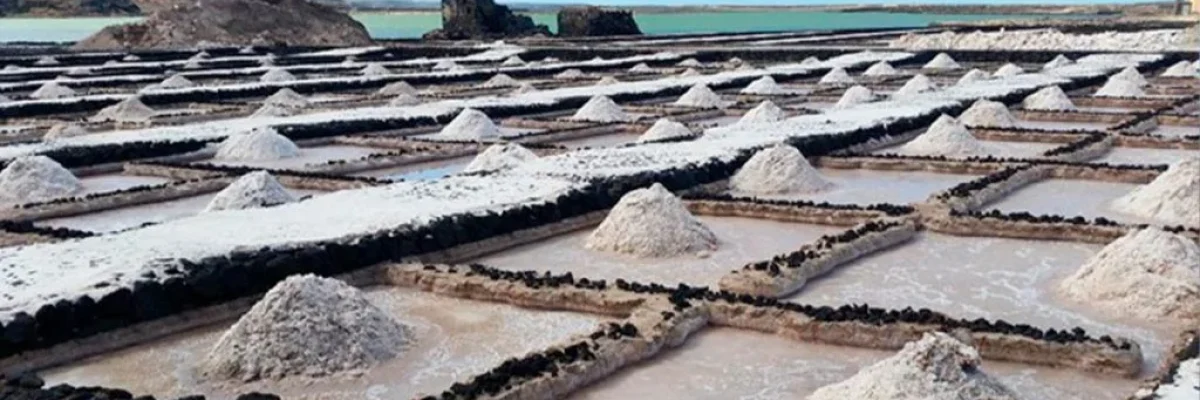
During the holidays, we often seek activities that entertain us and help us unwind. However, some experiences go beyond leisure—they allow us to discover the history and essence of the places we visit. Las Salinas del Carmen, located on the coast of Antigua, are a perfect example of this. This unique site blends history, tradition, and an awe-inspiring natural setting, where salt production has endured for centuries.
Visiting these salt flats in Fuerteventura is an opportunity to learn about the ancient craft of salt harvesting and its influence on the island, while exploring one of its most fascinating cultural treasures.
Salinas del Carmen: a site of historical and natural interest
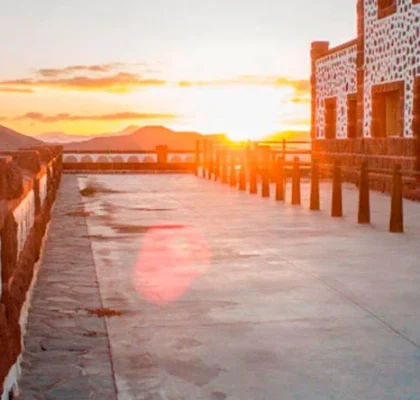
More than just a vestige of the past, Las Salinas del Carmen are essential for understanding the history and culture of Fuerteventura. Here, salt is still extracted using traditional methods, offering visitors a glimpse into an age-old craft. A walk through the salt pans reveals a unique landscape, where the evaporation pools create a striking contrast against the island’s rugged coastline. Strolling along the trails, you can appreciate both the production process and the stunning natural surroundings.
These salt flats preserve the deep connection between history and nature, making them one of Fuerteventura’s most fascinating cultural and environmental treasures.
Memory and history of the Salinas del Carmen
Las Salinas del Carmen date back to the 18th century, when the first salt flats were developed on the island. This artisanal process played a crucial role in the local economy, supplying salt for both domestic and commercial use for centuries. By the 19th century, what was then known as “Salinas de la Hondurilla” produced its first harvest of salt. Over time, the salt flats expanded to meet the growing demand for this valuable mineral, solidifying their importance in Fuerteventura’s history.
Recovery of Fuerteventura salt flats
Today, Las Salinas del Carmen stand as a living testament to the past, thanks to an extensive restoration effort led by the Regis Program and the Fuerteventura Cabildo. After experiencing a significant decline due to World War II and the impact of the Mining Law, the salt flats underwent a major restoration in the late 20th century. These efforts have not only ensured their preservation but have also transformed them into a cultural and tourist attraction, featuring an interactive open-air museum that safeguards their history and tradition.
What to do at the Salt Flats of Fuerteventura?
Las Salinas del Carmen not only offer a glimpse into the history of salt production but also provide unique experiences for visitors. One of the main attractions is the chance to become a “salinero” for a day—an interactive activity where visitors tour the salt flats and learn about the traditional salt extraction process. During this experience, you can walk among the salt pans, touch freshly harvested salt, and use the tools of the trade, all while discovering the secrets of a craft that has endured on the island for centuries.
The tour also includes a visit to the Salt Museum, where the production process is explained through models and interactive panels. Visitors can also enjoy a multimedia show that tells the story of salt in Fuerteventura. To complete the experience, don’t forget to stop by the museum shop, where you can purchase Flor de Sal—a local gourmet product harvested directly from the salt flats, making it a perfect souvenir or gift.
The history of salt in Fuerteventura
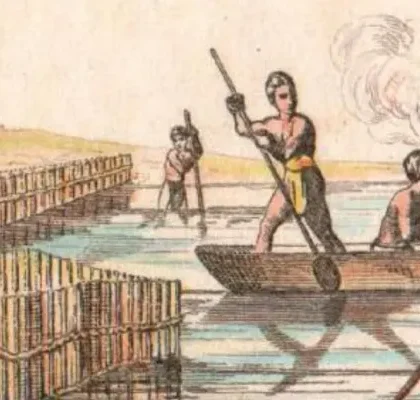
Salt production has been a fundamental pillar in the history of Fuerteventura. The first salt flats on the island began to develop in the 18th century, when salt extraction became a key activity for local trade. At that time, the Fuerteventura Town Council allowed islanders to freely collect salt, though its sale outside the island was prohibited. Over time, demand for salt increased, leading to the construction of the first official salt works at the end of the 18th century.
Las Salinas del Carmen, initially known as “Salinas de la Hondurilla”, were among the first salt flats to operate in an organised manner, with their first recorded harvest in the early 19th century. While salt was primarily used for food preservation, it also played a crucial role in trade and the local economy.
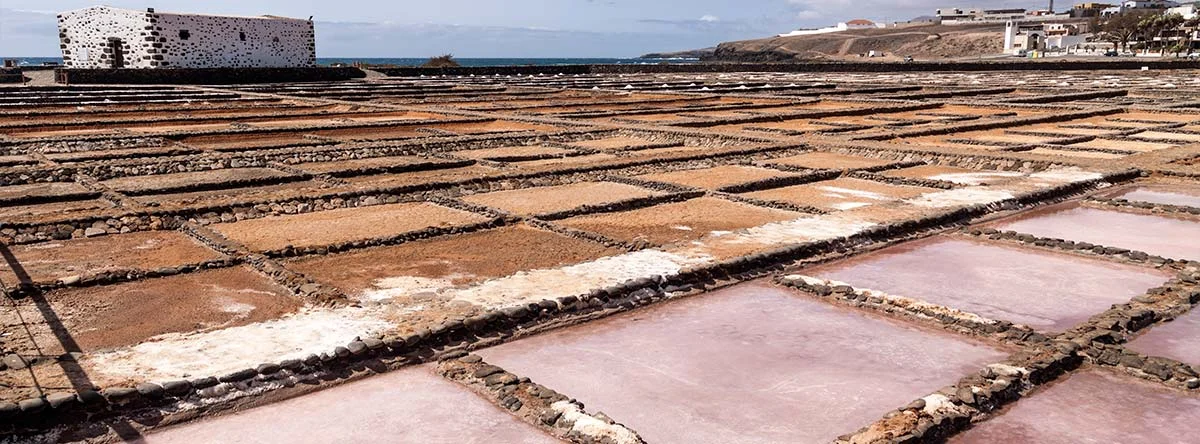
However, factors such as World War II and the modernisation of preservation methods led to a sharp decline in salt demand, resulting in the closure of many salt flats on the island. Only Las Salinas del Carmen managed to survive, although production was also affected until their restoration in the late 20th century.
Antigua: history and tradition near the Salinas
Antigua is one of the oldest municipalities on the island, and its proximity to Las Salinas del Carmen makes it an ideal stop for those wanting to explore local history and culture. Founded in the 18th century, Antigua was once a major centre for agricultural production, particularly grain milling, a legacy reflected in its famous Antigua Mill, now a cultural and tourist attraction.
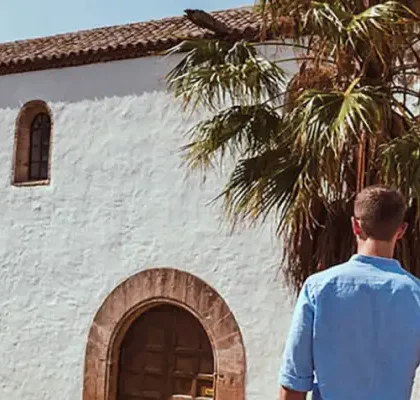
One of the most notable landmarks is the Church of Our Lady of Antigua, known for its simple yet charming architecture and distinctive bell tower. Beyond its religious significance, the church stands as a symbol of the historical and cultural heritage of the municipality, making it an essential point of interest.
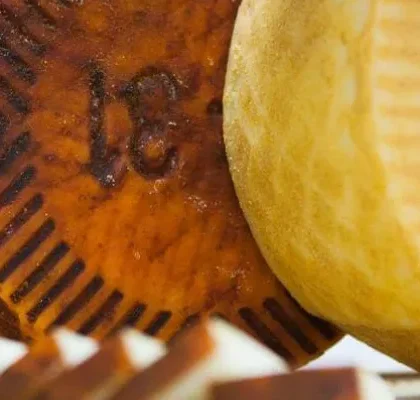
Nearby, you’ll also find the Majorero Cheese Museum, where visitors can learn about the production process of Fuerteventura’s famous cheese and enjoy a tasting experience that brings you closer to the island’s authentic flavours.
Practical information for visiting Las Salinas del Carmen
As mentioned earlier, Las Salinas del Carmen are located on the coast of Antigua, approximately 15 minutes by car from Fuerteventura Airport. Opening hours may vary depending on the season, so we recommend checking the schedule before your visit.
For a comfortable experience, we suggest wearing light clothing, sun protection, and bringing water, as much of the tour is outdoors. If you’re looking for an authentic souvenir, don’t forget to pick up Flor de Sal, a premium gourmet product unique to the area.
Visiting Las Salinas del Carmen offers a deeper insight into Fuerteventura’s history, traditions, and cultural heritage. If you’re planning your stay in Fuerteventura, take the opportunity to explore its hidden treasures and enjoy an unforgettable experience with Lopesan Hotel Group—where comfort and exceptional service ensure a perfect holiday!