The wildlife in Gran Canaria is part of the natural identity of the archipelago. The island is home to birds, reptiles, mammals and species linked to its rural and coastal landscapes, many of them found in very specific settings: pine forests, ravines, farmland, beaches, coastal rock pools and protected inland areas.
Some species are endemic to Gran Canaria or the Canary Islands, while others stand out because they are often seen on the island or because of their cultural value. Talking about the animals of Gran Canaria also means looking at its ecosystems, its history and the relationship local people have built with the land.
Why Gran Canaria’s wildlife is so interesting
Gran Canaria is part of Macaronesia, a biogeographical region made up of several Atlantic archipelagos with a highly distinctive natural heritage. The island’s isolation, volcanic origin and varied landscapes have encouraged the presence of native species, some of which are difficult to find in the wild anywhere else.
The island also has natural areas where wildlife watching can be combined with hiking routes, rural visits or coastal walks. Parks and protected areas such as Tamadaba, Inagua and the area around Roque Nublo help protect essential habitats for many species.
It is also important to observe wildlife responsibly. The best approach is to keep your distance, avoid feeding animals, avoid disturbing them and always follow the rules of each natural area. The best experience is one that does not affect the behaviour of the species or the balance of the environment.
Birds found in Gran Canaria
Birds play an important role in the wildlife of Gran Canaria. Some are easy to recognise by their song or colours, while others require more attention and patience to spot in forests, farmland or coastal areas.
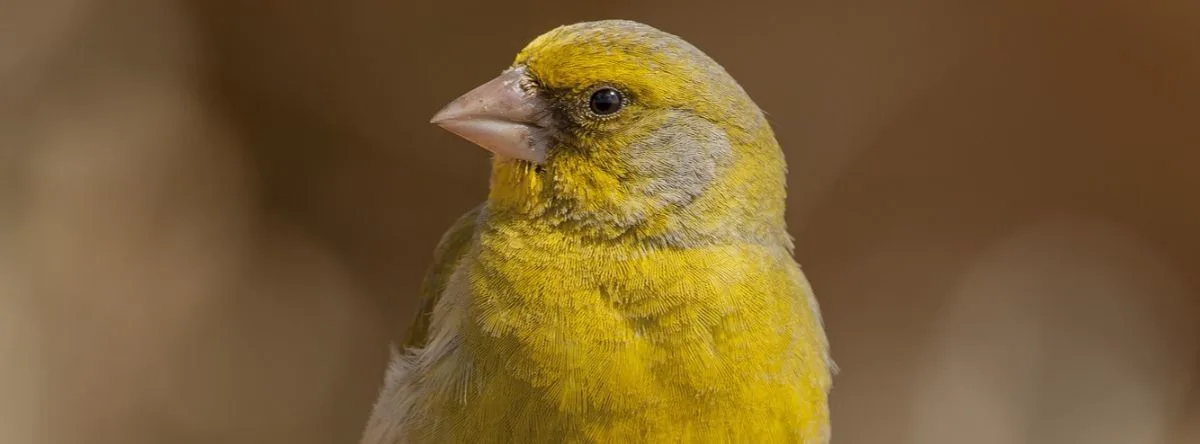
Wild canary
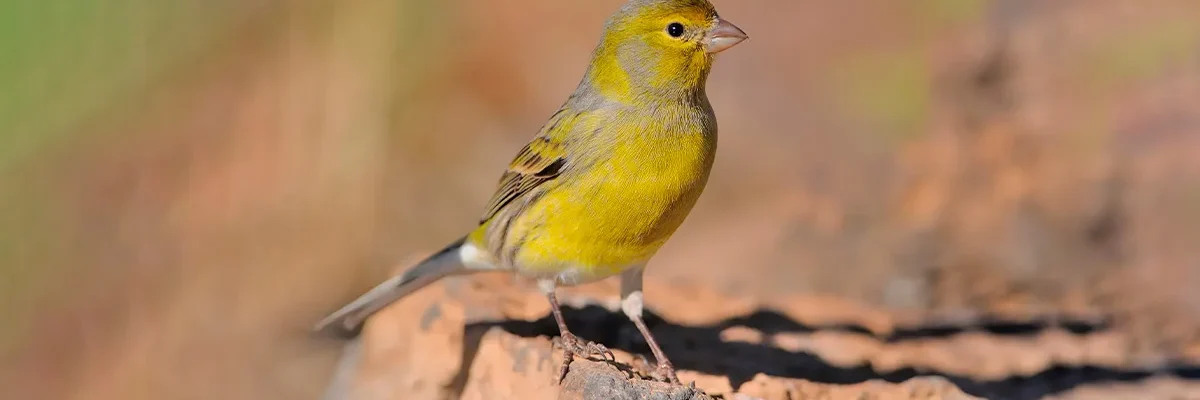
The wild canary is one of the best-known birds in the Canary Islands. In Gran Canaria, it can be seen in parks, gardens, farmland and areas with vegetation. Its song has helped make it a popular symbol of the archipelago, and it also has a strong presence in local culture.
In the wild, the canary usually has greenish, brown and yellowish tones, although yellow has become the most familiar colour in domestic canaries and in the popular image of this bird. Its song and its presence on the island have made it one of the most recognisable animals in Gran Canaria.
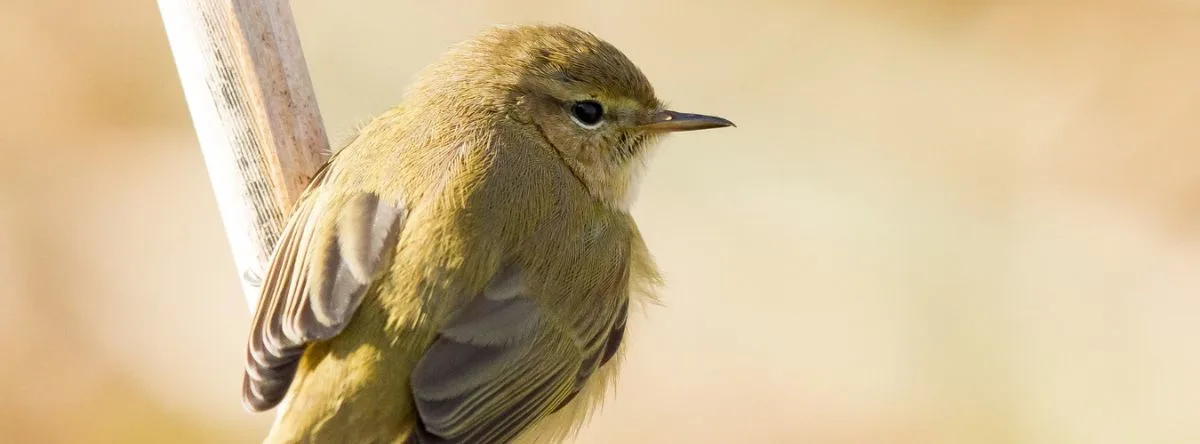
Canary Islands chiffchaff
The Canary Islands chiffchaff is a small bird, around ten centimetres long, usually found in areas with vegetation. Its greenish back and small size mean it can sometimes go unnoticed, although it is one of the most representative bird species in the Canary Islands.
It can be seen in a range of habitats, especially in wooded areas and upland landscapes. Its presence adds interest to inland routes, where birdwatching is becoming increasingly appreciated.
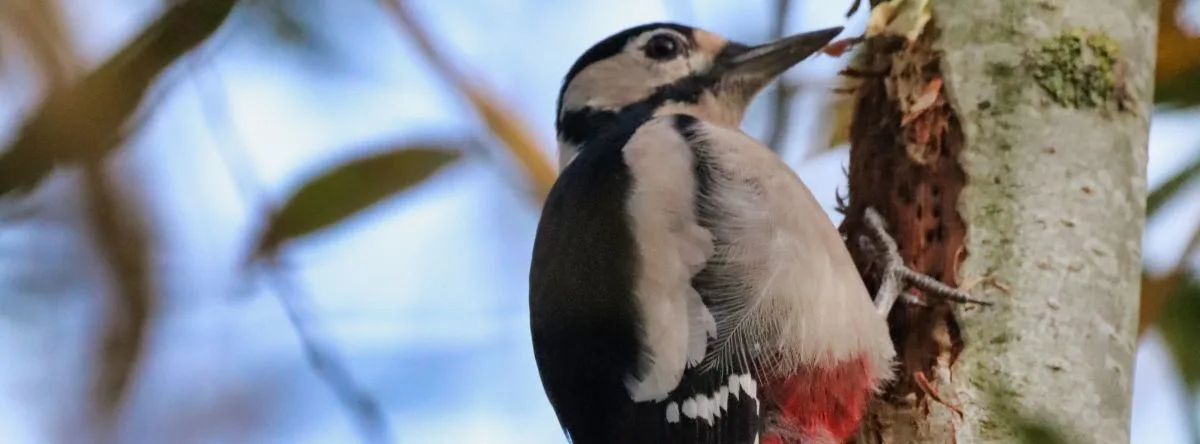
Gran Canaria great spotted woodpecker
The Gran Canaria great spotted woodpecker lives mainly in pine forests. Its strong beak helps it search for food in tree trunks and move through an environment closely linked to the Canary Island pine.
Its plumage combines white, black and reddish tones, and it is especially interesting to spot on routes through forested areas. It is one of the birds most closely associated with the island’s woodlands.
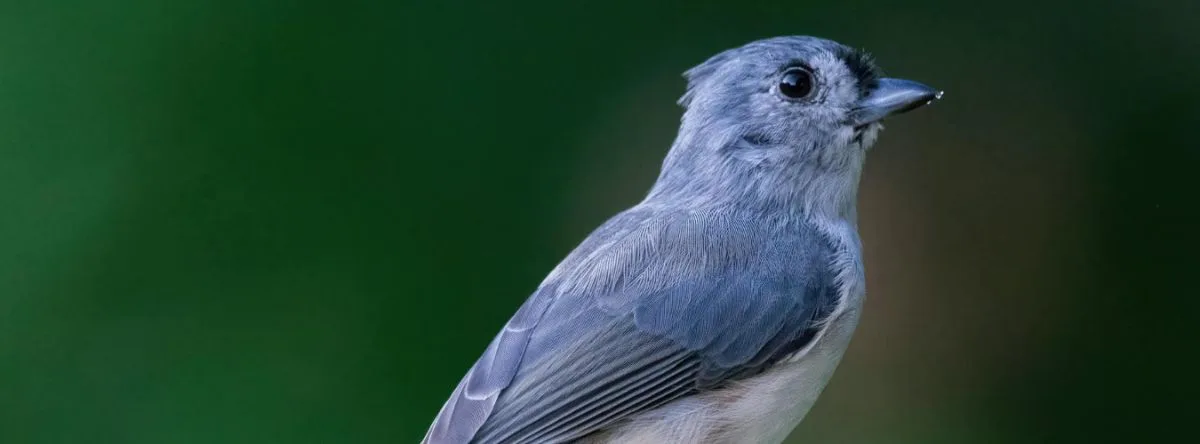
Gran Canaria blue chaffinch
The Gran Canaria blue chaffinch is one of the island’s most emblematic species. It usually lives in pine forests and mountain areas, and the males stand out for their bluish colouring, while the females have more discreet tones.
It is a protected species closely linked to forest ecosystems. Observing it requires care and respect, especially in areas that are important for its conservation.
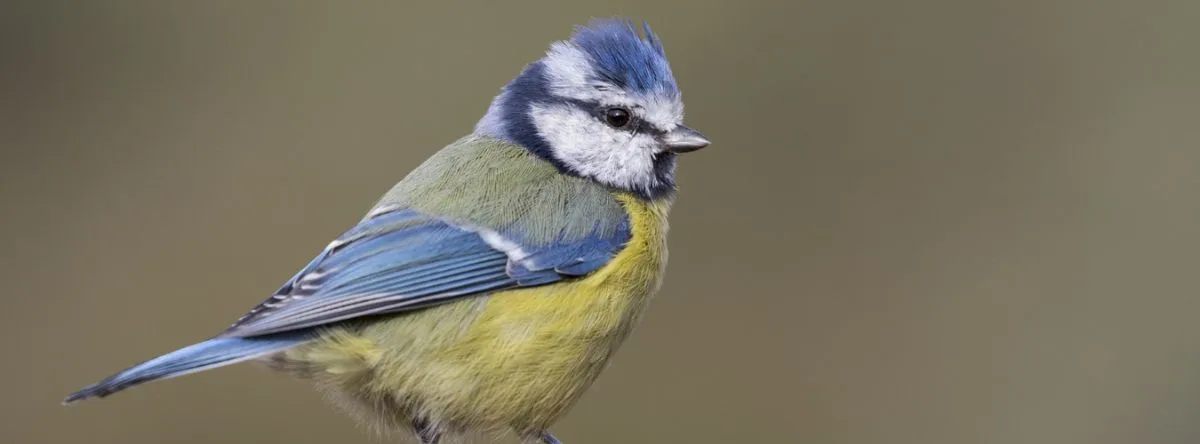
Canary Islands blue tit
The Canary Islands blue tit is another typical bird of Gran Canaria. It has blue, yellow and white tones and is usually found in areas with vegetation, pine forests and wooded landscapes.
It is an active bird with quick movements, feeding on insects and seeds. If you go hiking inland, you may spot it along paths, in forests and in areas with abundant vegetation.
Curlew
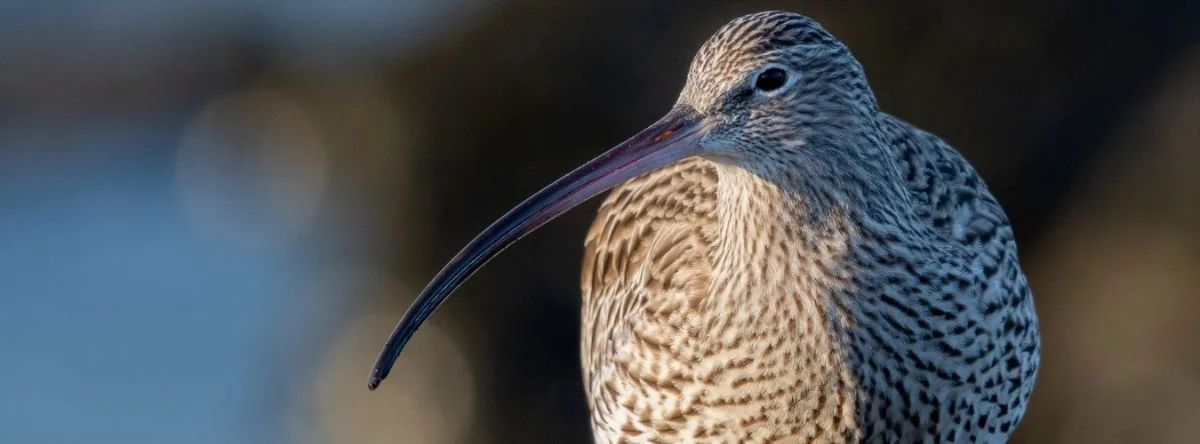
The curlew is a coastal bird that can be seen on beaches, around rock pools and in wetland areas, especially during migration periods. It is recognisable by its long, downward-curving beak, which it uses to search for food in sand and muddy areas.
Its presence on the coast shows how important coastal habitats are for many birds. These areas act as feeding and resting places, especially during migration.
Hoopoe
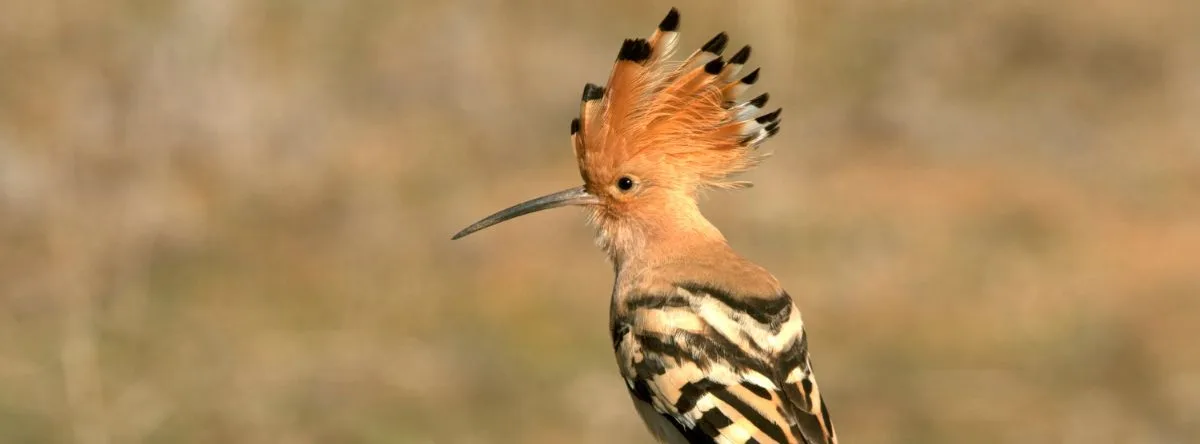
The hoopoe is one of the most striking birds found in Gran Canaria. Its plumage combines orange, white and black tones, and its fan-shaped crest makes it very easy to recognise.
It is usually seen in open areas, gardens, rural landscapes and fields, where it searches for insects and small invertebrates on the ground. Its repetitive call also helps identify it during walks around the island.
Reptiles and other animals in Gran Canaria
Alongside its birds, the island is home to reptiles and species linked to rural life that form part of Gran Canaria’s flora and fauna. Some are easy to see in sunny spots, among stones, on walls or in ravines, while others are much harder to find.
Gran Canaria giant lizard
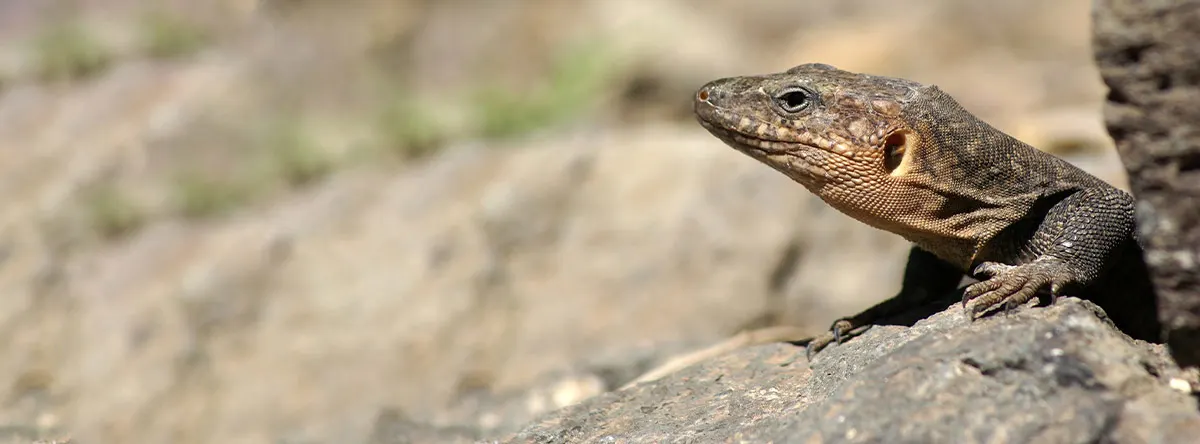
The Gran Canaria giant lizard is one of the island’s best-known reptiles. It can grow to a considerable size and is often seen in ravines, rocky areas and sunny spots. Its robust body and colouring make it easy to recognise.
Although it often catches visitors’ attention, it should always be observed without disturbing it or trying to touch it. It is part of the island’s ecosystem and plays its role in Gran Canaria’s natural balance.
Gran Canaria skink
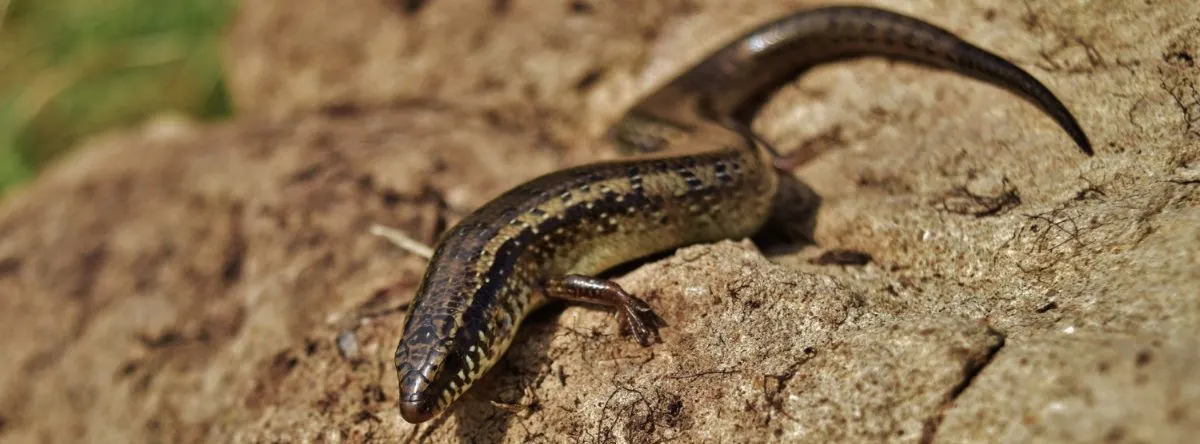
The Gran Canaria skink is another typical reptile of the island. It can be found in different environments, both in the north and the south, although it is most often seen in farmland, rural areas and places with natural shelter.
Its elongated body and variable colouring distinguish it from other reptiles. It is an abundant species, but that does not make its role in local ecosystems any less important.
Canarian black pig
The Canarian black pig is linked to the livestock history of the islands. Its presence dates back to ancient times and forms part of the archipelago’s rural heritage. During the 20th century, its population declined sharply, although several recovery efforts have helped improve its situation.
It stands out for its dark coat, compact body and adaptation to the island environment. Rather than a wild animal, it represents part of the Canary Islands’ farming tradition.
Presa Canario dog
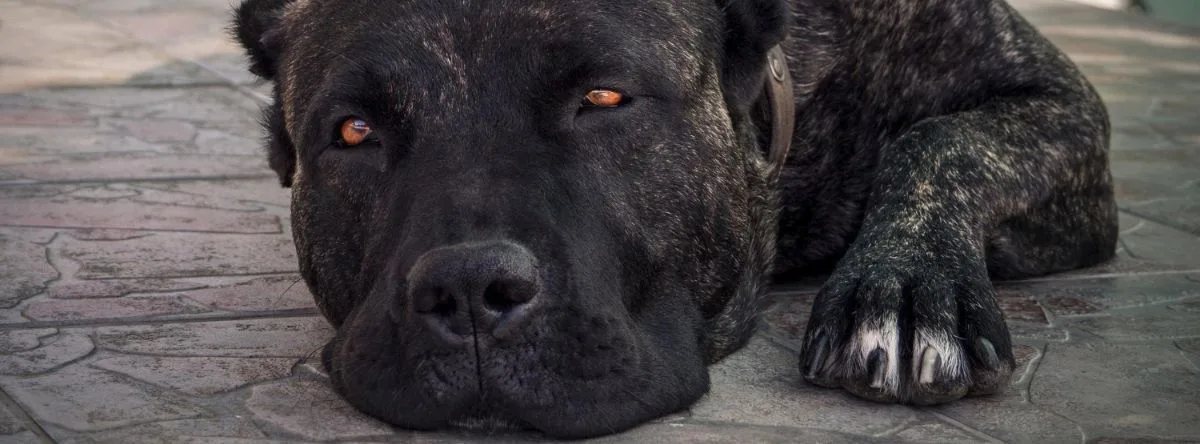
The Presa Canario dog is a breed native to the Canary Islands. It is known for its size, strength and powerful build. It is also known as the Dogo Canario and is one of the most recognisable breeds associated with the archipelago.
Its presence is more closely linked to domestic and rural life than to wild fauna, but its Canarian origin explains why it is included among the island’s most characteristic animals.
MOsorio shrew
The Osorio shrew is one of the most unusual small mammals associated with Gran Canaria. It usually lives in damp areas and places with vegetation, where it finds shelter and food.
It is also known locally as the ratón hocicudo, or long-snouted mouse, because of the shape of its head and elongated snout. It is a discreet species and difficult to observe, but it forms part of the island’s rich wildlife.
Nature and tourism in Gran Canaria
Gran Canaria brings together birds, reptiles, coastal fauna, rural animals and protected species in a highly varied landscape. This diversity makes wildlife watching an interesting addition to inland routes, coastal walks and visits to natural areas.
A trip to Gran Canaria can take you through pine forests, ravines, beaches, coastal rock pools and volcanic landscapes where native wildlife is closely connected to its surroundings. The key is to look carefully, respect protected areas and enjoy the island without disturbing what makes it so special.