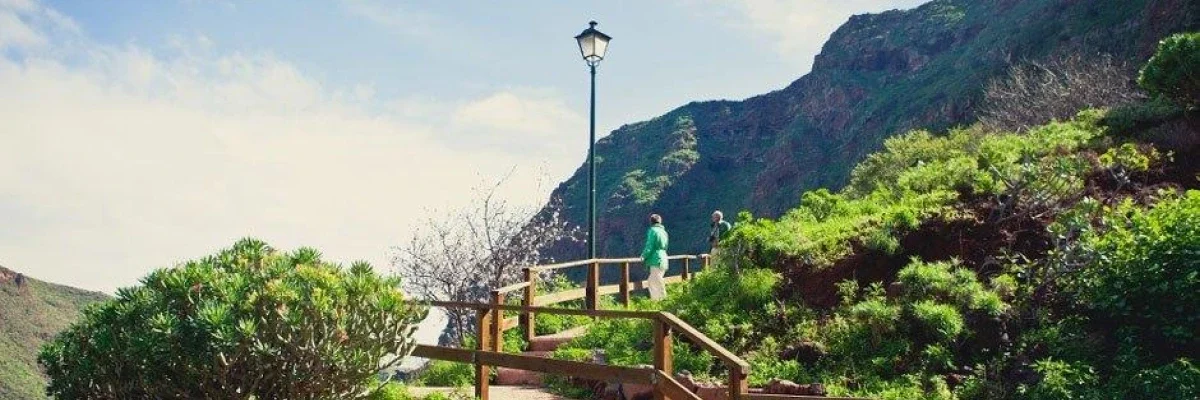
Gran Canaria shifts noticeably once you leave the coastline. Within just a few kilometres, urban roads give way to narrow trails, rock walls and long stretches of quiet. The island’s ravines shape not only its landscape but also part of its history.
Visiting a ravine in Gran Canaria means walking through volcanic formations, crossing dry riverbeds and, at times, passing caves carved into the rock. Some are well known and easy to reach; others require a little more preparation. This guide highlights several of the island’s better-known ravines so you can decide which suits your plans.
Guayadeque ravine
Guayadeque Ravine is one of the island’s most recognised natural areas. Situated between Agüimes and Ingenio, it combines scenery, heritage and accessible walking routes in a single setting. It’s a strong starting point if you’re looking for a Gran Canaria ravine that brings together nature and history without demanding terrain.
The ravine is defined by steep rock faces and caves hollowed out of the stone. Many remain in use today, serving as homes or restaurants. That continuity between past and present gives the area much of its character. It doesn’t feel remote or abandoned; it remains part of daily life.
Cave dwellings scattered along the valley show how earlier inhabitants adapted to the land. Several sections are reachable by car, allowing you to mix short walks with scenic drives.
Set aside at least half a day for a visit. You can explore at an easy pace, stop at viewpoints and follow clearly marked paths. Guayadeque can be visited year-round, though summer afternoons can be particularly hot.
Barranco de las Vacas in Gran Canaria
Barranco de las Vacas has become popular for its narrow, sculpted rock walls shaped by water erosion. It’s a small, very specific site in the municipality of Agüimes.
The visit centres on a short stretch of riverbed where the walls tighten and the light creates striking contrasts. It’s not a long hiking route but rather a defined spot reached after a brief walk from the GC-550 road.
It can become busy, especially at weekends and during peak season. Space is limited and the ground uneven, so sturdy footwear is advisable, along with checking weather conditions before setting out.
Azuaje and its Special Nature Reserve
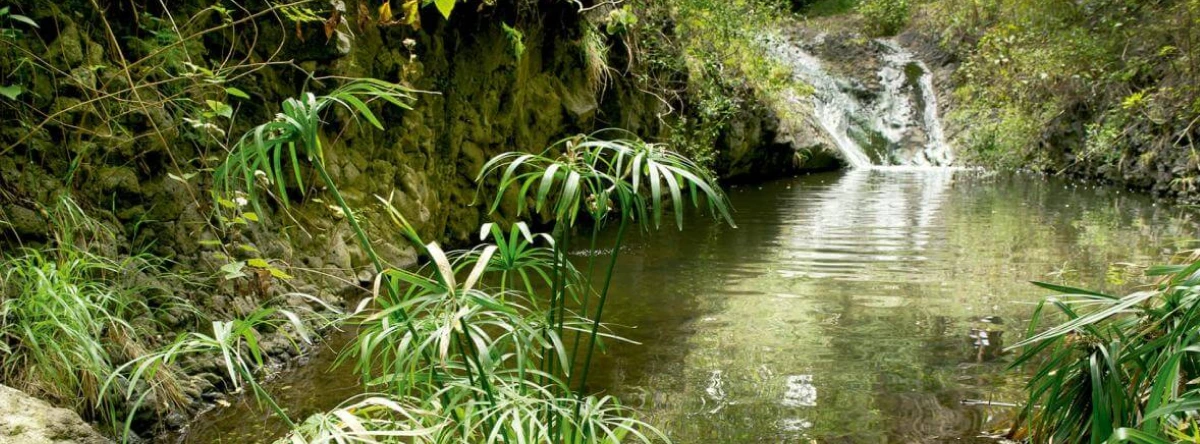
Azuaje Ravine offers a noticeably greener landscape than many of the island’s drier areas. Vegetation is denser and the air feels more humid, particularly where water remains in the channel for much of the year.
The Azuaje Special Nature Reserve is protected for its ecological and scenic value. The path through the ravine passes reed beds, palm trees and native plant species, creating a setting that contrasts with the more arid image often associated with Gran Canaria. It’s a good option if you’re after shade and less direct exposure to the sun.
The main trail isn’t technically demanding, although appropriate footwear is important, as sections can be damp or slippery. There are several natural stopping points where you can pause and take in the surroundings.
For a wider view, the Azuaje viewpoint offers a perspective from above, helping you understand how the ravine cuts through the hillsides. It’s worth including either before or after the walk.
Other notable ravines
Beyond Guayadeque, Las Vacas and Azuaje, other ravines in Gran Canaria are worth exploring. Not all are long routes or protected reserves, but they contribute to the island’s varied terrain and offer rewarding walks.
Bahía Feliz ravine
Bahía Feliz Ravine lies in the eastern part of the island, close to the coast. The landscape is more open and dry, shaped by volcanic terrain and straightforward paths. It’s a quieter option if you want a walk without steep climbs or heavy footfall.
Hondo ravine
Hondo Ravine crosses rural areas, combining stretches of riverbed with paths linking small settlements. It’s a simple, less touristy route suited to accessible walks without technical challenges.
Barafonso ravine
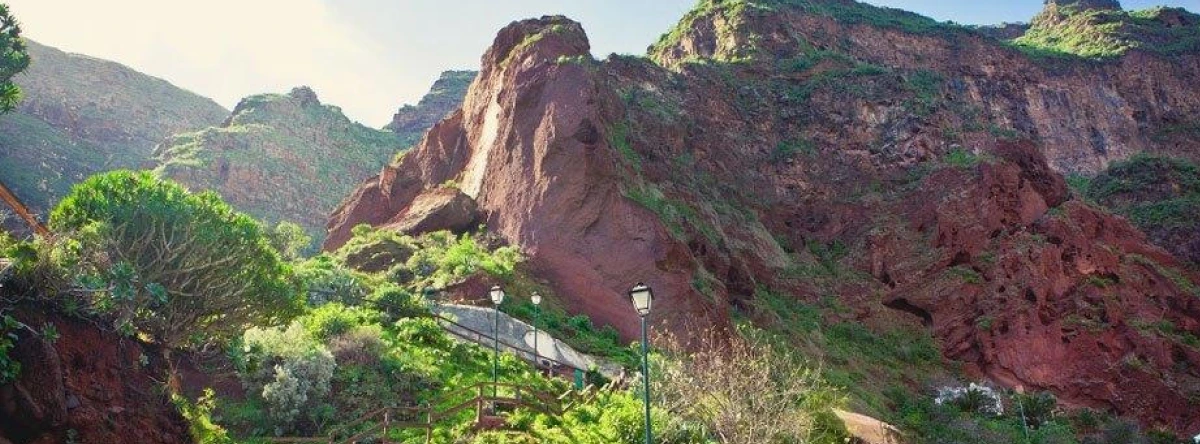
Barafonso Ravine sits inland and has a more secluded feel. The terrain is rugged, with noticeable elevation changes and exposed volcanic rock. It isn’t as frequently visited as some other ravines, so checking conditions carefully beforehand is sensible.
Practical advice before visiting a ravine in Gran Canaria
Before heading into any ravine in Gran Canaria, a few practical considerations help ensure a smoother experience.
The terrain is often uneven, with loose stones and sections where the riverbed may be damp. Comfortable footwear with firm soles — ideally water-resistant — makes a noticeable difference.
Weather also plays a role. Although the island enjoys mild temperatures for much of the year, summer heat can be intense during the middle of the day, particularly in more exposed ravines. Checking the forecast is important, especially if heavy rainfall is possible, as channels can fill quickly.
Signage varies by location. In Guayadeque and Azuaje, marked paths are generally clear. In less frequented areas, wayfinding can be limited, so having a clear route planned in advance helps avoid unnecessary detours.
Respect for the environment is essential. Many ravines form part of protected landscapes with sensitive flora and fauna. Staying on marked trails and taking rubbish away with you helps preserve these areas.
After exploring the island’s interior and returning to the south, the contrast becomes more striking. Volcanic valleys and coastline sit within a short distance of one another, and that shift is part of Gran Canaria’s appeal.
Lopesan Hotel Group’s properties in Gran Canaria are mainly located in Meloneras, Maspalomas, Playa del Inglés and San Agustín, structured across different brands that suit varied travel styles.
The Lopesan Collection Hotels group together more exclusive seafront options. Lopesan Hotel & Resorts includes large-scale complexes in Meloneras with extensive facilities. Kumara by Lopesan Hotels offers a quieter base in Campo Internacional. Corallium by Lopesan Hotels caters to adults seeking a peaceful stay, while Abora by Lopesan Hotels provides a more dynamic setting, particularly convenient for families.
Exploring Gran Canaria’s ravines and then returning to the coast allows you to experience two complementary sides of the island.