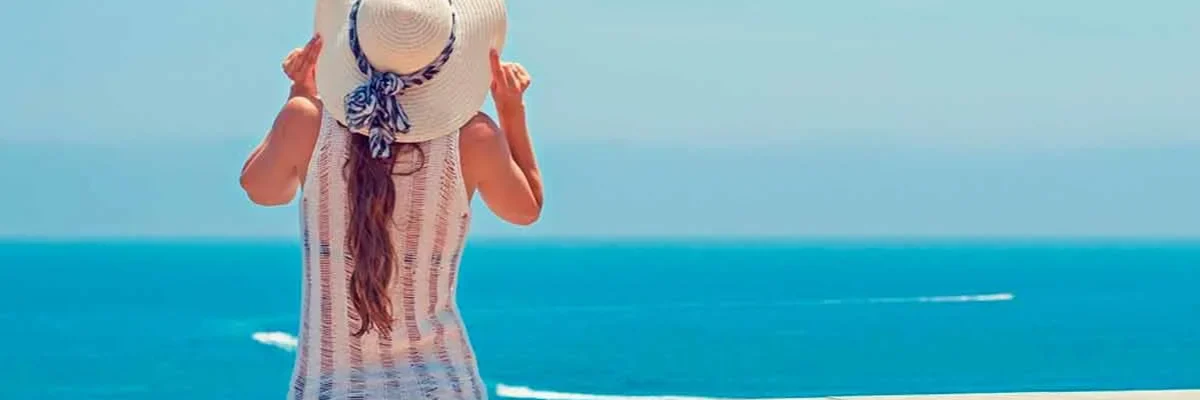
The weather in Gran Canaria is one of the island’s greatest attractions. Its mild climate for much of the year, proximity to the sea and varied landscapes make it easy to enjoy very different types of holiday depending on where you stay: beach days in the south, city walks in Las Palmas de Gran Canaria, inland routes or time outdoors.
Gran Canaria has a subtropical climate, with pleasant temperatures and few sharp contrasts between seasons. Even so, the weather is not the same across the whole island. The terrain, trade winds and altitude create clear differences between the north, the south, the coast and the higher inland areas.
Before travelling, it helps to understand how the climate in Gran Canaria works and what you can expect depending on the time of year, where you are staying and the kind of trip you have in mind. This is especially useful if you need a more specific forecast for an excursion, a hiking route or a day at the beach.
Weather in Gran Canaria: a mild climate all year round
The weather in Gran Canaria is usually associated with mild temperatures, long daylight hours and a spring-like feel for much of the year. This stable climate is ideal for the beach, walks, outdoor activities and visits to different parts of the island in almost any season.
The geographical position of the Canary Islands and the influence of the trade winds help to moderate temperatures. These winds can also bring cloud cover to certain areas, especially in the north and in Las Palmas de Gran Canaria. This phenomenon, popularly known as panza de burro, appears mainly in summer and is a familiar feature of the capital’s climate.
Even with these local variations, Gran Canaria offers very appealing conditions for a holiday. The important thing is to choose the right area for the type of stay you want: coast and beach, city, inland routes, hotel relaxation or sports activities.

Temperature in Gran Canaria by season
Temperatures in Gran Canaria usually remain pleasant for much of the year. In winter, minimum temperatures can be around 10 or 12 ºC in cooler areas, while maximum temperatures are often around 18 or 20 ºC. In summer, minimum temperatures tend to range between 14 and 18 ºC, with highs that can reach 26 to 30 ºC in the warmest areas.
These figures are general references. The experience changes depending on the location: the weather in Las Palmas de Gran Canaria may bring more clouds on some days, while the weather in the south of Gran Canaria is usually drier and sunnier. For this reason, before planning a route or a beach day, it is best to check the forecast for the specific area where you will be.
There are also differences in rainfall. The south of the island is drier, while the north and the mid-altitude areas can receive more rain. This contrast explains the variety of landscapes you can find in Gran Canaria during a single trip.
Weather in Gran Canaria by area
The weather in Gran Canaria varies by area more than many travellers expect. On the same day, there may be cloud in the capital, sunshine in the south and cooler temperatures in the mountains. A general forecast for the island does not always reflect what you will find in each place.
North of Gran Canaria
The weather in the north of Gran Canaria is usually a little cooler and more humid than in the south. The influence of the trade winds encourages cloud cover and creates a greener landscape. It is an interesting area for discovering towns, lush scenery, local agriculture, viewpoints and quiet walking routes.
If you are going to spend part of the day in the north or in the mid-altitude areas, it is worth taking a light layer, even when the day feels warm on the coast.
South of Gran Canaria
The weather in the south of Gran Canaria is usually drier, sunnier and more settled. Areas such as Maspalomas, Playa del Inglés, Meloneras, San Agustín, Puerto Rico and Mogán are home to much of the island’s tourist accommodation because they offer good conditions for enjoying the beach, the pool and time outdoors.
If you are looking for rest by the sea, water sports or coastal walks, the south is usually one of the easiest areas to stay in.
Las Palmas, Playa del Inglés, Maspalomas and Meloneras
The weather in Las Palmas de Gran Canaria has its own pattern. The capital can be cloudier than the south, especially when the panza de burro appears, but it still has mild temperatures and a very pleasant atmosphere for walking, visiting museums, exploring historic neighbourhoods or heading to Las Canteras.
By contrast, the weather in Playa del Inglés, Maspalomas and Meloneras is more closely associated with sunshine and life by the sea. These areas are especially practical if you want to make the most of terraces, swimming pools, seafront promenades and beaches during your holiday.
What to do in Gran Canaria depending on the weather
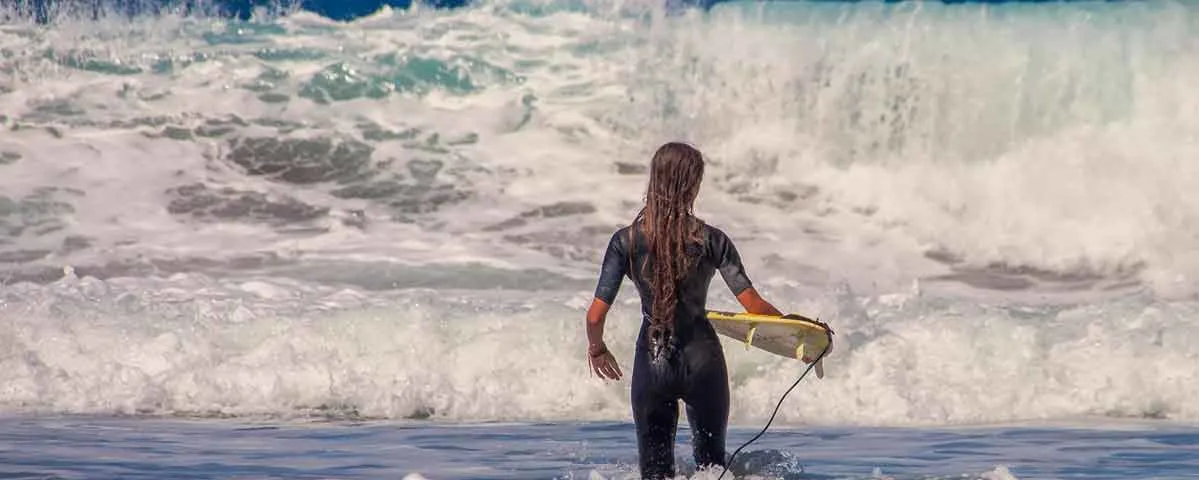
The island’s climate gives you plenty of options. On sunny days, the beaches in the south, water sports and walks by the sea are usually among the most popular choices. Maspalomas, Playa del Inglés, San Agustín and Meloneras offer many ways to enjoy the coast.
Golf is also well suited to Gran Canaria’s climate, especially in the south, where mild temperatures mean this sport can be enjoyed for many months of the year. The island also offers coastal walks, terraces, short excursions and places to enjoy local food without depending on a specific season.
If you prefer nature, inland Gran Canaria offers trails, viewpoints and volcanic landscapes. Areas around Roque Nublo and Tejeda show another side of the island, with cooler temperatures and more noticeable changes in the weather. For this type of outing, check the forecast before setting off and take suitable footwear, water and a light layer.
Where to check “the weather in Gran Canaria today”
If you need to know the weather in Gran Canaria today, it is best to use up-to-date weather sources. A blog article can offer guidance on the island’s usual climate, but it does not replace a daily forecast.
To check the forecast before travelling or during your stay, you can consult AEMET Gran Canaria or other reliable weather sources. This is especially useful if you are planning to go hiking, do water sports, take a boat trip or follow an inland route.
It is also advisable to search for the forecast for the specific area you are visiting. Checking the weather in Las Palmas de Gran Canaria will not always tell you what to expect in Playa del Inglés, Maspalomas, Meloneras or Mogán. On an island with so many microclimates, this detail can make it much easier to organise your day.
Where to stay to enjoy Gran Canaria’s climate
Choosing the right accommodation in Gran Canaria will affect how you enjoy the island’s climate. If you are looking for sunshine, beaches and rest, the south is usually one of the easiest areas to choose. If you prefer to combine city life, culture and an urban beach, Las Palmas de Gran Canaria may be the best option. If you want to explore inland routes, a well-connected location will give you more flexibility.
Lopesan has different options in Gran Canaria for different ways of travelling. Corallium by Lopesan Hotels, located in the south of the island, is designed for adults and offer a peaceful stay close to the sea. For families, Abora by Lopesan Hotels offer services, swimming pools, buffets and children’s activities that make holidays with kids easier.
Meloneras is also a very interesting area to stay in. Its resorts and hotels offer dining, leisure, walks by the sea and easy access to some of the best-known landscapes in the south. In addition, some hotels allow you to hire a car or book excursions to discover other parts of the island.
Gran Canaria offers good weather, varied landscapes and things to do throughout the year. Understanding how the weather changes depending on the area will help you choose where to stay, what to pack and how to organise your days.