The Dominican Republic is usually associated with white-sand beaches, warm water and oceanfront resorts, but the country also has a lesser-known side that surprises many travelers: its mountains. Inland lies Pico Duarte, the highest peak in the Caribbean and a major destination for hikers looking for nature, high-altitude scenery and a completely different perspective on the country.
Climbing Pico Duarte is a demanding experience for travelers in good physical condition who are prepared to spend several days in the mountains. Depending on the route, the trek usually takes two or three days, with overnight stays at official campsites and the support of a guide. It is a very different experience from relaxing on the beach, and that contrast adds another dimension to the trip.
What is Pico Duarte and why visit it?
Pico Duarte lies between Armando Bermúdez National Park and José del Carmen Ramírez National Park, two protected areas that are central to the mountainous interior of the Dominican Republic. Its elevation, forested surroundings and location in the Cordillera Central have made it the country’s best-known hiking and mountaineering destination.
The climb is not a short outing. It requires time, planning and endurance because the trail passes through forested areas, steep sections and high-elevation terrain where temperatures can drop sharply, especially at night. Anyone considering the route should understand that this is not a casual hike, but a demanding multi-day trek.
In return, the route reveals a very different side of the country, with tropical forests, valleys, highland scenery and a sense of remoteness that contrasts sharply with the better-known coastal areas.
The Pico Duarte route: a typical itinerary
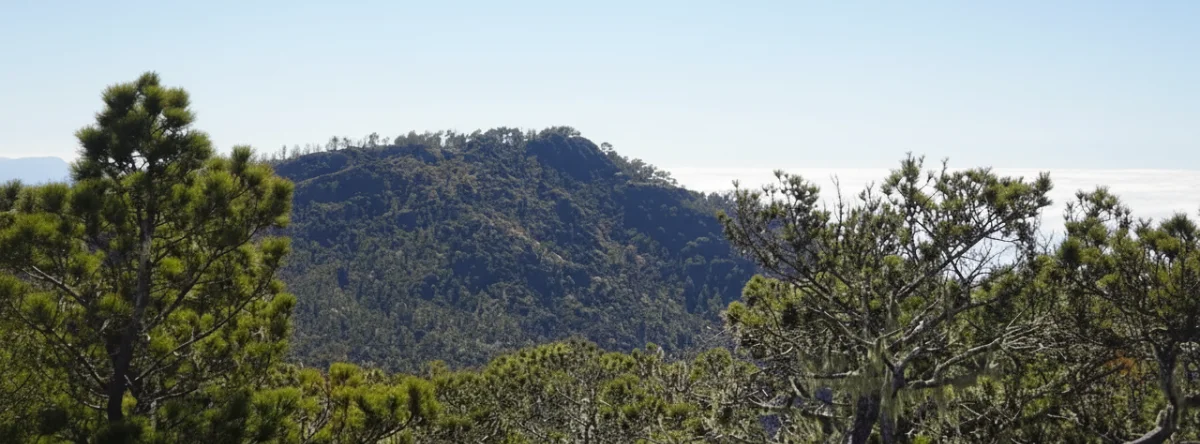
There are several routes to Pico Duarte, although one of the most popular follows this itinerary: Jarabacoa, Manabao, La Ciénaga, Compartición, Valle de Lilís and Pico Duarte. The route begins in one of the country’s best-known mountain areas and gradually climbs through the landscapes of the Cordillera Central.
The trek is usually divided into several stages. Most itineraries take two or three days, depending on the group’s pace, the tour selected and trail conditions. The climb from La Ciénaga covers about 14 miles and begins at roughly 3,600 feet above sea level before reaching the summit of Pico Duarte at around 10,125 feet. That represents an elevation gain of close to 6,500 feet, so the route requires good endurance and appropriate physical preparation.
The official campsites at Compartición and Valle de Lilís usually serve as overnight stops before the final climb to the summit. Although this is one of the most common routes, it is not the only way to reach Pico Duarte. Other trails in the surrounding mountain range offer different distances and levels of difficulty.
The route should always be chosen carefully, taking into account your fitness level, trip length, equipment and previous hiking experience.
What to bring for the Pico Duarte climb
Proper gear is essential for a Pico Duarte trek. Because the route takes more than one day, clothing, footwear and overnight equipment all need to be planned carefully.
An official guide is required, and many groups also use mules to carry bags and equipment. Organized tours often include transportation, pack mules, sleeping bags, insulated sleeping pads, tents and camping kits. Some packages may also include meals, solar charging stations for phones or cameras and fully stocked first-aid kits.
Hiking boots and several layers of clothing are strongly recommended. Although the Dominican Republic has a tropical climate, temperatures near the summit can be very low. At times, they may fall below 32°F, with frost and freezing conditions. Thermal base layers, a warm jacket and clothing suitable for cold nights are essential.
You should also bring a comfortable backpack, water, sunscreen, a hat, a headlamp, basic toiletries and any medication you may need during the trek.
Tips before hiking Pico Duarte
Before booking a Pico Duarte excursion, take a close look at the difficulty level. The climb requires good physical condition, the ability to walk for several hours at a time and tolerance for major temperature changes. You do not need to be an experienced mountaineer, but you should have solid endurance and some familiarity with long-distance hiking.
Check exactly what is included in the package. Some Pico Duarte tours provide a guide, transportation, mules, meals, camping gear and support along the route. Others may require travelers to bring part of their own equipment. These differences affect the price, comfort level and amount of preparation required.
The time of year also matters. Conditions can vary, and mountain weather changes more quickly than weather along the coast. Check the forecast before departure, follow your guide’s instructions and stay on the marked trail.
A Pico Duarte trek is highly rewarding for travelers interested in nature and mountain scenery, but it should be approached realistically. The experience includes hiking through the Cordillera Central, sleeping in the mountains, reaching the summit and discovering a side of the Dominican Republic shaped by forests, valleys and high-altitude terrain.
Other peaks and hiking routes in the Dominican Republic
Although Pico Duarte is the country’s main hiking destination, the Dominican Republic has several other places for hiking and spending time outdoors. Not every route requires several days or the same level of fitness, so there are also shorter alternatives around Jarabacoa and other inland areas.
Boca de Los Ríos
Boca de Los Ríos is a natural swimming hole located shortly after the entrance to Armando Bermúdez National Park in the town of Manabao. Its water comes from the Yaque River, and the surrounding area has benches and picnic tables, making it a simple option for a few hours outdoors.
El Mogote
El Mogote is a 3,816-foot peak near Jarabacoa. Although it is much lower than Pico Duarte, the climb still requires good physical condition because of its steep sections. The hike takes about three hours and passes through pine forest, sharply inclined terrain and coffee-growing areas before reaching the summit, which offers panoramic views of the surrounding valleys and mountains.
La Ciénaga
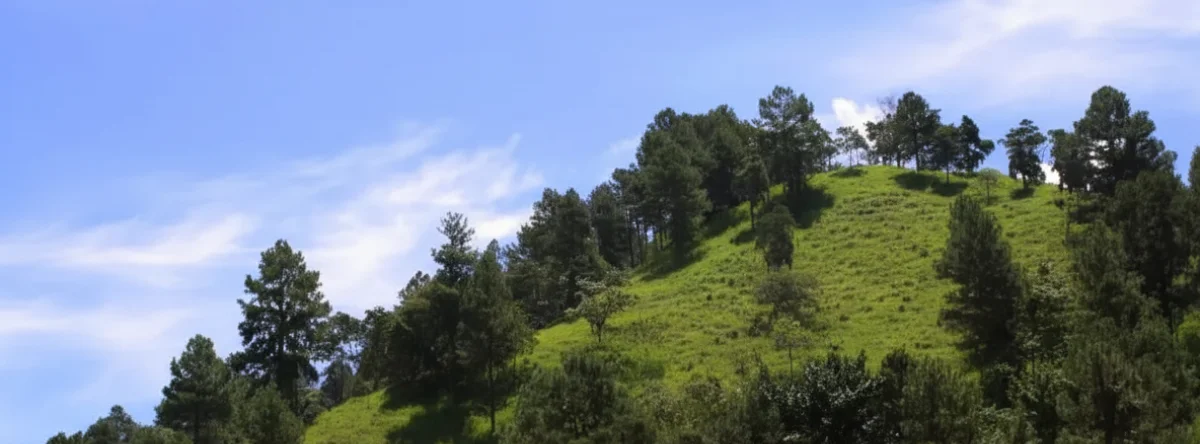
La Ciénaga is a riverside village about 21 miles from Jarabacoa and one of the main starting points for the Pico Duarte climb. The surrounding area features green mountain scenery, wooden homes, farmland and access to the Yaque del Norte River.
La Confluencia
La Confluencia is located about ten minutes from downtown Jarabacoa, where the Jimenoa and Yaque del Norte rivers meet. Small natural pools form among the rocks, and some have bubbling water that gives them the feel of a natural spa.
La Vega
La Vega has a strong cultural identity. It hosts one of the Dominican Republic’s most important Carnival celebrations, with events held on Sundays throughout February. It is also a pilgrimage destination because of the Cathedral of the Immaculate Conception and the national shrine dedicated to Our Lady of Mercy.
La Vega Vieja
Near the present-day city lies the original settlement of La Vega, known as La Vega Vieja. Visitors can see archaeological remains from the town founded by Christopher Columbus in 1494, which served as a base for gold exploration along the Verde River in the Cibao Valley. The site was declared a protected area in 1975 and remains associated with ongoing archaeological research.
After a mountain experience such as Pico Duarte, staying in Punta Cana can be a comfortable way to end the trip by the sea. The Bávaro Beach area offers resorts, beaches, dining, swimming pools and places to relax after several days of hiking through the Dominican highlands.
Lopesan Hotel Group offers several options depending on the type of stay you are looking for. Lopesan Costa Bávaro Resort, Spa & Casino is a five-star all-inclusive beachfront resort with seven freshwater pools, tropical gardens, multiple dining options and a spa. Lopesan Caoba Lagoon Resort, Spa & Casino stands out for its lagoon and cenote-inspired setting, as well as eight pools and eight restaurants.
For adults looking for a quieter atmosphere, Lopesan Serenity Bay Resort, Spa & Casino is an adults-only hotel focused on relaxation and wellness, with 239 rooms, nine restaurants and 11 bars.
Lopesan Splash Cove Resort, Spa & Casino is designed for families, with an all-inclusive concept, eight pools, two water parks, 10 bars and daily activities for travelers visiting Punta Cana with children.