The Cave of Wonders is one of the most fascinating sites in the Dominican Republic. Inside, hundreds of Taíno paintings reveal the beliefs and way of life of the island’s earliest inhabitants. It’s an excursion that combines history and nature — easy to reach from Punta Cana and perfectly prepared for visitors.
Where is the Cave of Wonders?
The Cave of Wonders is located on the road between San Pedro de Macorís and La Romana, at kilometre 16, within the protected area known as Cueva de las Maravillas National Park.
From Punta Cana, the drive takes around an hour and a half. There are several ways to get there:
- Rental car: the road is in good condition, clearly signposted and easy to follow.
- Taxi or private transfer: a comfortable option if you’d rather not drive.
- Organised excursion: local agencies offer guided tours from Punta Cana, sometimes combined with stops in La Romana or nearby attractions.
- Public transport: take a bus to La Romana and then a taxi to the cave entrance.
A natural and historical treasure
Until 1949, the site was known as Cueva Jagual. Its current name, Cave of Wonders, captures the sense of awe inspired by its underground world — a place where geology and Taíno art meet.
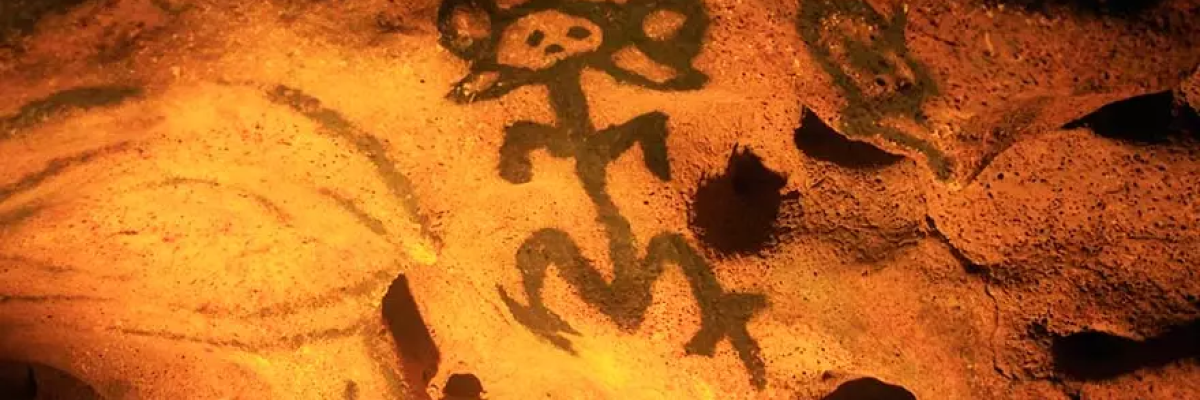
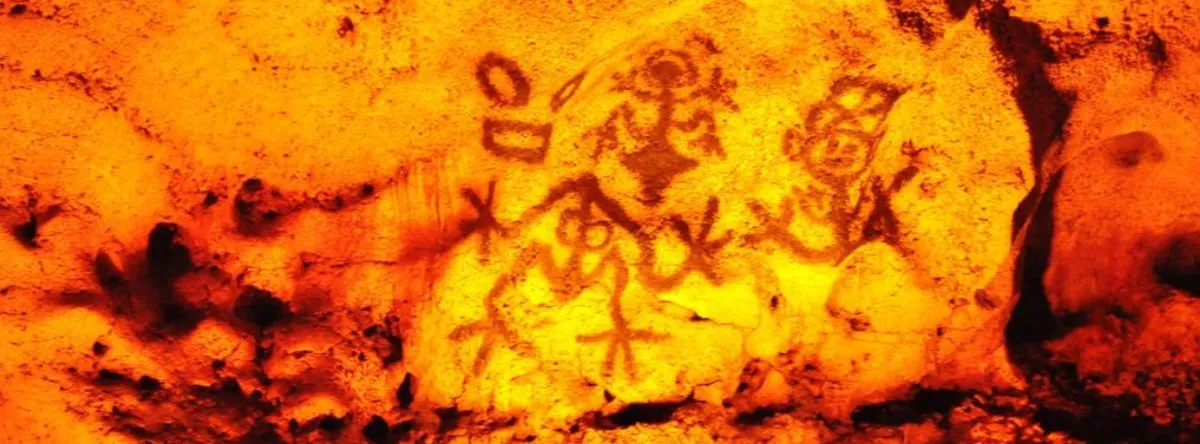
The cave’s walls are decorated with more than 500 engravings and paintings in red and black tones, estimated to be 4,000 to 5,000 years old. Among them are human and animal figures, geometric patterns and ritual scenes. The highlight is the Great Panel, which depicts funeral rites and symbolic compositions still being studied today.
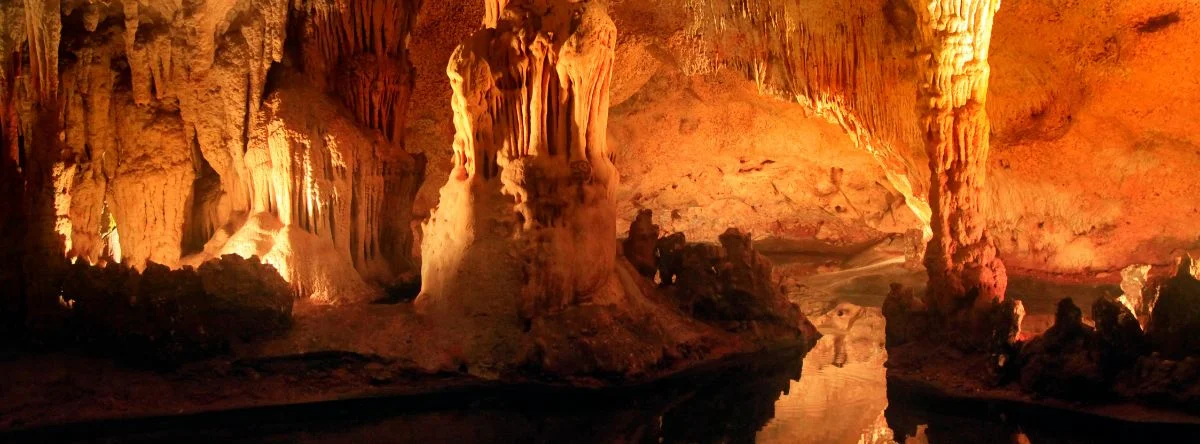
In addition to its cultural heritage, the cave features stalactites, stalagmites and an artificial lake that mirrors the vaulted ceiling above.
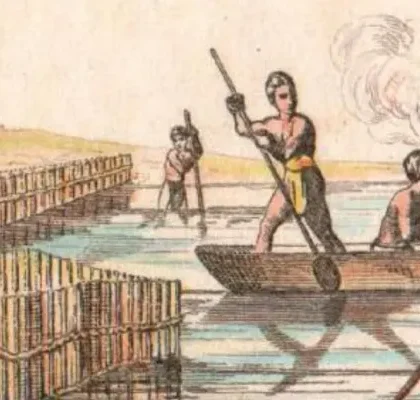
The Taíno were the indigenous people who inhabited much of the Caribbean before European colonisation. Their legacy remains visible in the language (words such as hamaca and canoa), in gastronomy and, above all, in the cave art preserved here. The Cave of Wonders is one of the most important sites for understanding their worldview — a glimpse into how they related to nature and the spiritual world through art, ritual and myth.
The Cave of Wonders and Dominican history
Beyond its visual appeal, the Cave of Wonders is essential to understanding the island’s cultural history. The Taíno paintings found here are among the oldest artistic expressions in the Caribbean, offering a window into the symbolic universe of this pre-Columbian people.
The Taíno viewed caves as sacred spaces, linked to the origins of life and the passage to the afterlife. This spiritual dimension explains the abundance of ritual motifs. Researchers believe that scenes such as the Great Panel represent funeral ceremonies, while other figures refer to deities of rain, fertility and the earth.
Today, the cave is not only protected as a national park but also serves as a living laboratory, where archaeologists and anthropologists continue to study its rock art. Visiting it is more than an aesthetic experience — it’s a journey into the memory of a people who disappeared after colonisation but remain deeply rooted in Dominican identity.
This connection with the past adds a new layer to any holiday in Punta Cana. Descending into the cave and seeing paintings created thousands of years ago reveals a different side of the Caribbean — one where natural beauty coexists with cultural heritage worth discovering.
What to see inside the Cave of Wonders
Visitors descend around 25 metres underground, following a guided route through several impressive chambers:
- Pictograph gallery: a combination of natural rock formations and an artificial lake that reflects the cave ceiling like a mirror.
- Great Panel: the largest concentration of Taíno art in the site.
- Rock paintings: more than 500 motifs, from abstract to figurative.
- Wildlife: bats, frogs, small reptiles and millipedes that thrive in this unique ecosystem.
The guided visit takes place in a cool, humid environment. The transition from daylight to twilight heightens the sense of mystery, and guides explain how the cave was formed, the meaning of the paintings and the conservation methods used to protect them. Carefully placed lighting enhances the rock textures and ancient drawings, creating a route that blends scientific rigour with an almost theatrical sense of discovery.
Accessibility and visitor information
The cave is fully equipped for visitors of all ages. Ramps, illuminated pathways and a lift ensure easy access for people with reduced mobility or older visitors.
It’s also a great outing for families with children: the experience of going underground and seeing ancient cave art sparks curiosity and imagination. The guided tour lasts around 45 minutes to an hour and offers clear explanations about the cave’s geology and Taíno heritage.
An experience to complement your trip to Punta Cana
Staying in Punta Cana and choosing an environment that lives up to the destination is key to enjoying a truly complete experience. At Lopesan Hotel Group, every detail is carefully considered so that, in addition to beachfront relaxation, guests can also discover the cultural and natural richness of the Dominican Republic.
The Cueva de las Maravillas is a perfect example: a nearby site that offers insight into Taíno history and adds a different perspective to the journey. Staying at resorts such as Lopesan Costa Bávaro Resort, Spa & Casino,Lopesan Caoba Lagoon, or Lopesan Serenity Bay makes it easy to combine relaxing beach days with cultural excursions that reveal another side of the Caribbean.
The visit can be rounded out with other nearby highlights such as La Romana, known for its historical heritage and local gastronomy; Altos de Chavón, a Mediterranean-inspired village overlooking the Chavón River; or coastal spots like El Soco and Playa La Sardina, where the calm rhythm of local life is still preserved. In this way, the trip is enriched with experiences that balance culture, landscape, and relaxation.
Practical tips for visiting
Before your visit to the Cave of Wonders, keep these simple tips in mind to make your trip smoother and help preserve this remarkable site:
- Wear comfortable shoes: paths can be slightly damp or slippery.
- Bring a light layer: the cave temperature is cool and humid.
- Respect the site: touching the paintings or using flash photography is not permitted, to protect the artwork.
- Tickets and opening hours: available at the National Park entrance or through tour operators — it’s best to check schedules and availability in advance.
The Cave of Wonders is one of the most rewarding cultural excursions from Punta Cana. Its Taíno paintings, easy access and natural beauty make it a must for travellers who want their holiday to include not only beaches but also history and heritage.
If you’re staying in Punta Cana, let Lopesan Hotel Group accompany you — and make this experience part of a journey you’ll never forget.