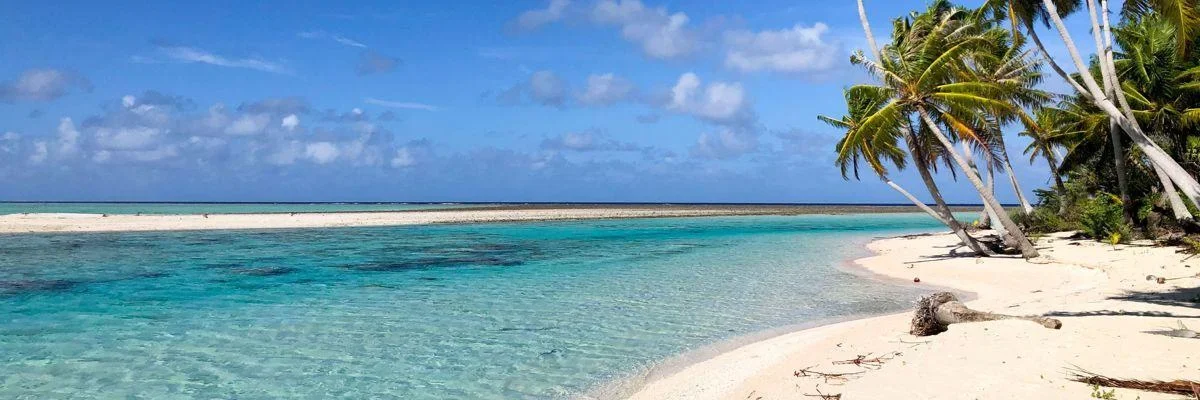
On the southern coast of the Dominican Republic lies a true natural treasure: Bahía de las Águilas. Considered one of the most beautiful beaches in the world, this breathtaking spot offers crystal-clear waters, white sand and remarkable biodiversity, making it one of the most spectacular yet least explored destinations in the Caribbean.
If you want to escape the crowds and immerse yourself in pure nature, this untouched paradise within Jaragua National Park is an essential stop. Here’s everything you need to know about Bahía de las Águilas — what to see, how to get there, things to do, its flora and fauna, plus practical tips to make the most of your visit.
What is Bahía de las Águilas?
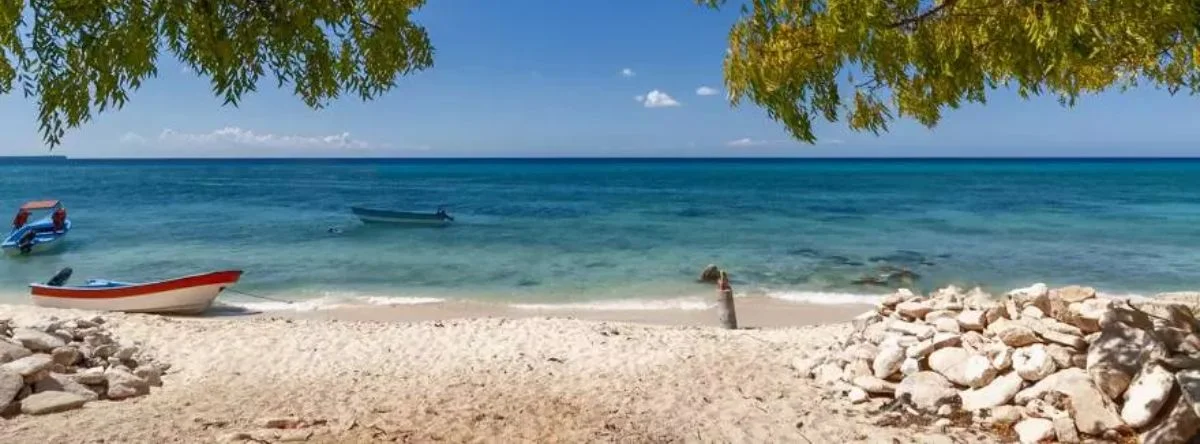
Bahía de las Águilas is a protected natural area stretching over 37 kilometres of unspoilt coastline, part of the Jaragua–Bahoruco–Enriquillo Biosphere Reserve, recognised by UNESCO for its ecological value. At its heart lies the main beach, a seven-kilometre stretch of white sand and turquoise water often cited as one of the clearest in the world.
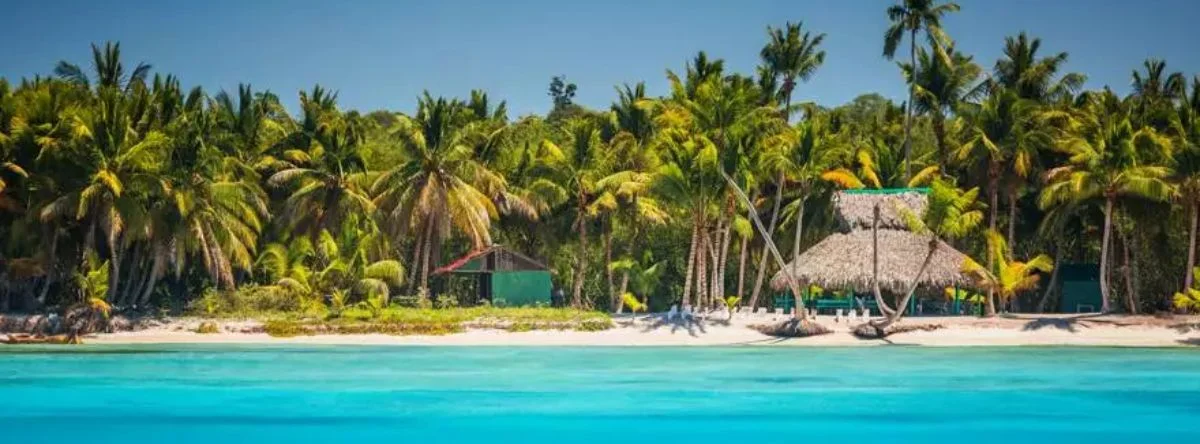
Unlike other beaches in the Dominican Republic, you won’t find beach bars or tourist developments here. Its charm lies in its pristine state and isolation. Surrounded by hills, mangroves and striking karst landscapes sculpted by the sea, Bahía de las Águilas showcases nature in its purest form.
For that reason, it’s the perfect destination for anyone seeking the tranquillity of a virgin beach or the adventure of eco-tourism in a completely natural setting.
Things to do in Bahía de las Águilas
A visit to Bahía de las Águilas is an immersion in nature. You won’t find any built facilities, but you will find endless ways to experience its surroundings:
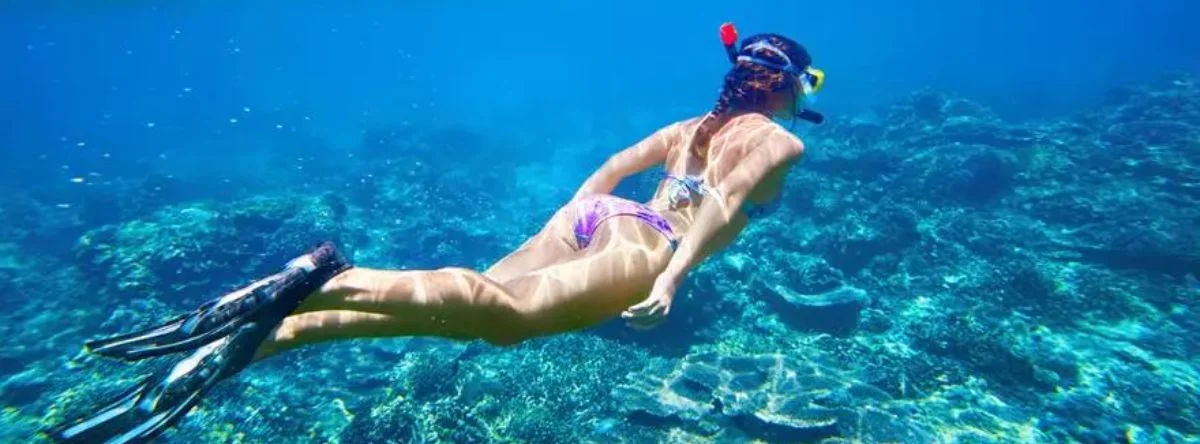
- Snorkelling and diving: its coral reefs are full of marine life, including tropical fish, sea turtles and starfish.
- Exploring caves and rock formations: the coastline hides remarkable geological features that can be explored with a local guide.
- Hiking and cycling: the area is dotted with hills, mangroves and arid terrain, ideal for walking or cycling routes.
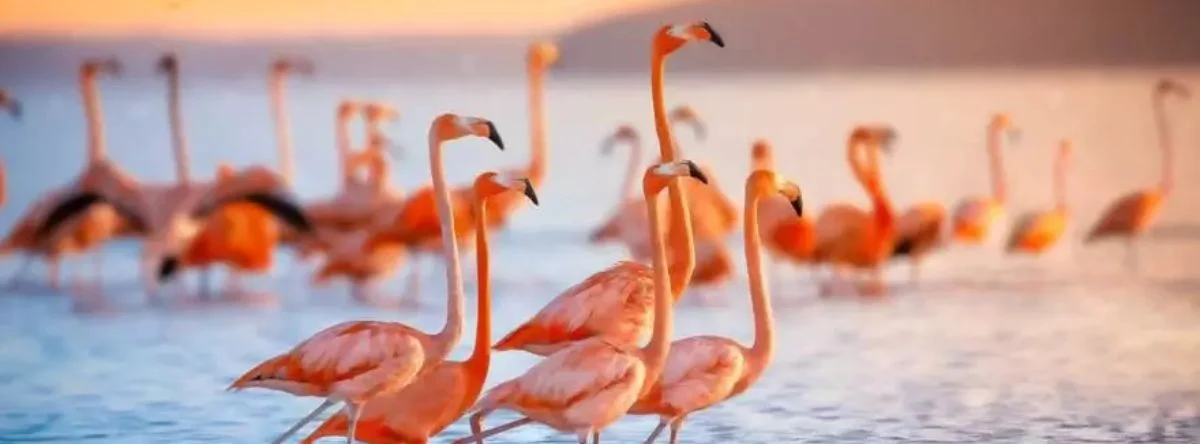
- Birdwatching: a paradise for bird lovers, home to pelicans, flamingos and herons.
- Swimming: its calm, transparent waters offer one of the most relaxing swims in the Caribbean.
Unlike other beaches in Punta Cana or Saona Island, camping is not allowed at Bahía de las Águilas, ensuring the preservation of this extraordinary ecosystem.
Flora and fauna of Bahía de las Águilas
Part of the Jaragua National Park since 1983, this site is one of the most important protected areas in the Dominican Republic. Its natural wealth includes both terrestrial and marine ecosystems:
- Marine fauna: Bahía de las Águilas is home to the highest concentration of sea turtles in the Caribbean — including hawksbill, green and leatherback turtles — as well as manatees and tropical fish.
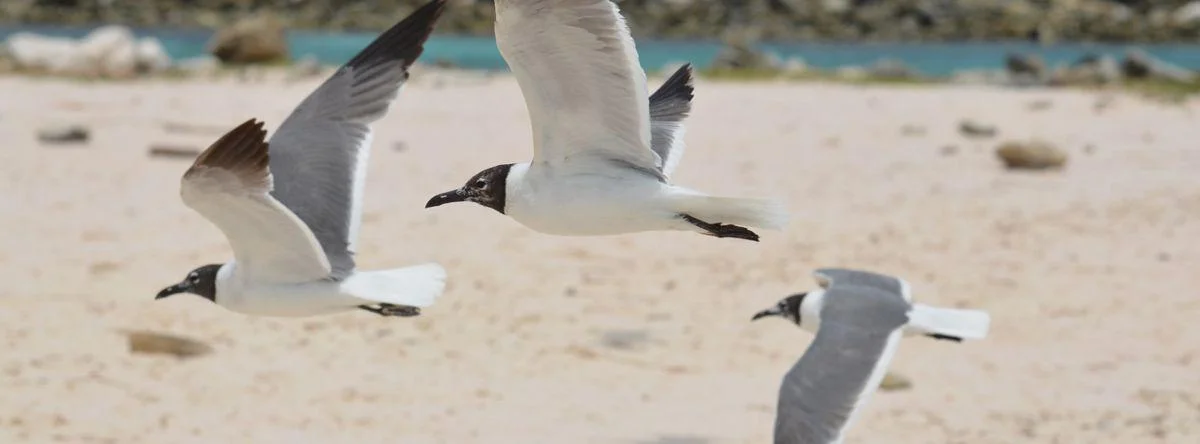
- Birdlife: species such as pelicans, herons and flamingos can be spotted around Jaragua National Park and nearby Oviedo Lagoon.
- Terrestrial fauna: the area shelters the endangered rhinoceros iguana and several species of lizards that thrive in its dry, rocky terrain.
- Vegetation: dominated by species like canelilla, guayacán and guanito, typical of coastal dry forests.
This delicate balance between land and sea makes Bahía de las Águilas a truly unique natural sanctuary in the Caribbean.
Local gastronomy
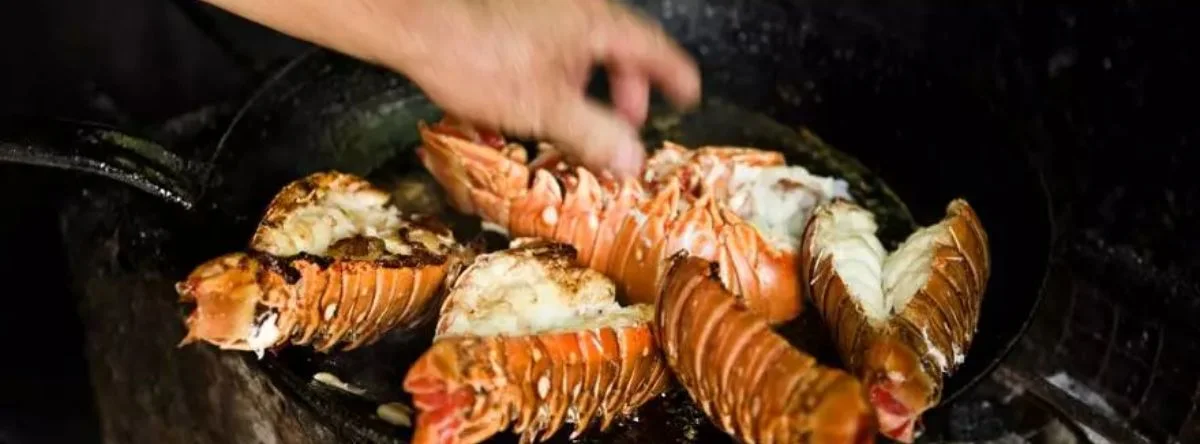
Although Bahía de las Águilas itself has no restaurants or bars, nearby communities such as La Cueva offer the chance to sample authentic Dominican cuisine. A must-try delicacy is freshly caught lobster, fished using traditional traps known as nasas. You can also enjoy the catch of the day, prepared simply and full of local flavour.
How to get to Bahía de las Águilas
Reaching this hidden treasure takes some effort, but it’s more than worth it. The journey involves a combination of road travel and, optionally, a short boat ride. Here’s how to get there:
The most common starting point is Santo Domingo. From the capital, take the main highway heading southwest. Once you reach Barahona, you’ll be at the starting point for excursions to the bay. From there, continue south towards the community of La Cueva, where local guides and tour operators can help arrange the final stage of the trip.
From La Cueva, many visitors choose to continue by boat. This short maritime stretch adds a touch of adventure, offering a spectacular view of the coast and access to hidden coves and rock formations along the way.
Because of the bay’s remote location, joining an organised tour is often the best option. These typically include road transport, the boat ride and sometimes additional activities such as snorkelling or cave exploration — making the trip comfortable and worry-free.
Tips for visiting Bahía de las Águilas
Since it’s a remote and untouched environment, planning ahead is key to enjoying Bahía de las Águilas safely and comfortably. Keep these tips in mind:
- Strong sun and little shade: the vegetation here is arid and sparse, with few natural shelters. Bring a hat, sunglasses and high-SPF sunscreen. If travelling with children, take extra precautions against heat and sunburn.
- Return early if travelling independently: as the area is far from major towns, plan your return before 4 p.m. to avoid driving on poorly lit roads at night.
- Bring essentials:
- Plenty of drinking water.
- Food or snacks, as there are no restaurants on the beach.
- Bags to collect your rubbish.
- Towel and swimwear.
- Light sportswear and water-resistant sandals.
- Insect repellent.
- Sunglasses and a hat for extra protection.
- Respect the environment: Bahía de las Águilas is within Jaragua National Park, so rules must be followed. Camping, bonfires and disturbing wildlife are strictly prohibited.
Bahía de las Águilas is an exceptional destination that perfectly captures the essence of natural beauty. This hidden corner of the Caribbean offers an authentic and peaceful experience. To make your trip truly unforgettable, stay at one of our hotels in the Dominican Republic — and experience genuine hospitality in an idyllic setting.