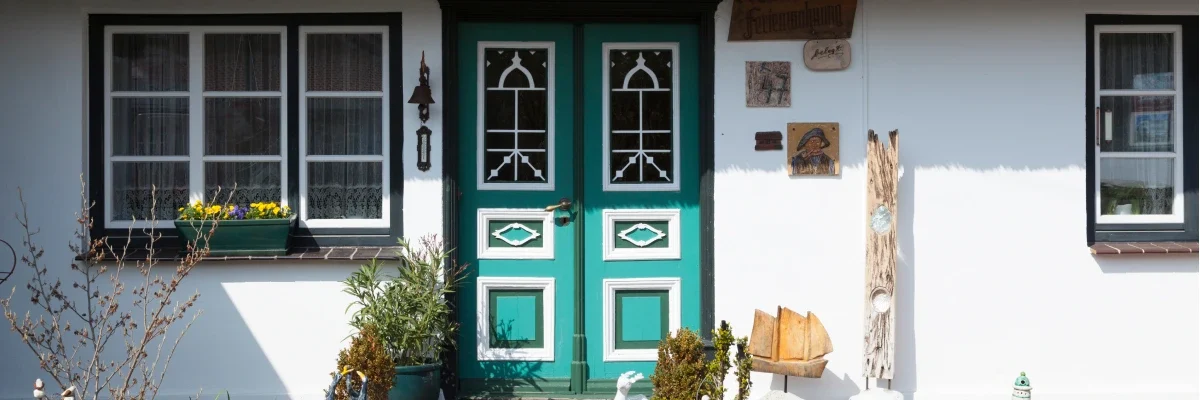
Graal-Müritz is one of those destinations that seem almost suspended in time, preserving the charm of the historic seaside resorts of northern Germany. Located on the Baltic Sea and surrounded by the vast Rostock Heath forest, this coastal municipality stands out for an unusual geographical combination: the salty sea air mixes with the scent of pine trees, creating a biogenic microclimate with therapeutic properties. This blend of sea and forest is what gives the area its particularly pure air. If you want to learn more about this ecosystem, you can read our article Nature of the Baltic Sea: beaches, cliffs and forests.
Travelling to Graal-Müritz is therefore a natural choice for visitors looking for more than just sun and beach holidays, prioritising rest, nature and an atmosphere of complete calm. Although it is a very popular destination among German domestic travellers, it remains relatively unknown for Spanish visitors. That means it is helpful to understand a few logistical and cultural details before travelling. From how local visitor taxes work to the customs you will find on the beaches, here are the best travel tips for Graal-Müritz to help you make the most of your stay on Germany’s Baltic coast.
Climate and the best time to travel
The time of year you choose to visit this part of the Baltic will shape the experience you have. Unlike southern European coastlines, the seasons here are clearly defined and the weather is far more changeable, which means packing requires a bit more planning. The high season takes place during the summer months, but Graal-Müritz also offers unique attractions in spring and autumn.
Rhododendron bloom in spring
If there is one moment when the town truly shines, it is May, when the rhododendrons burst into bloom and transform the entire village into a vast garden. The festival celebrating this event attracts visitors from across Germany, as Graal-Müritz is home to one of the largest rhododendron parks in Europe. Travelling at this time of year also eans enjoying mild temperatures, ideal for hiking or cycling through the surrounding forest without the intense heat of midsummer.
Summer on the Baltic coast
Summer is the preferred season for travellers who want to enjoy the beach. However, it is important to remember that the concept of “summer” in the Baltic is relative. Temperatures generally range between 20 and 25 °C, and the sea rarely rises above 18 or 19 °C. For many visitors, this is precisely what makes it attractive: the days are long and the coastline can be enjoyed without the oppressive heat common in southern Europe. It is also the time when cafés, museums and tourist services operate at full capacity.
How to get to and move around Graal-Müritz
Reaching this part of Germany requires a little more planning than travelling to the country’s major cities. As there are no direct international flights from most Spanish airports, the usual option is to combine a flight with a train journey or a rental car.
Train and road connections
The most practical option is to fly to Berlin or Hamburg. From both cities, the German railway network (Deutsche Bahn) connects to Rostock. Once there, a regional train runs hourly and reaches Graal-Müritz station in around 30 minutes.
Travelling by car is also straightforward. The A19 motorway leads directly north towards Rostock and the Baltic coast. Driving in this region is generally easy thanks to well-maintained roads and clear signage, although it is worth paying attention to speed limits in forested areas where wildlife crossings can occur.
Local mobility and the visitor card
Once you arrive, you will quickly notice that Graal-Müritz is a very comfortable town to explore on foot or by bicycle. For slightly longer journeys or visits to neighbouring towns, the local bus network is a useful option.
An important detail is the visitor card, known as the Kurkarte, which you receive when registering at your accommodation. This card is required for beach access and in many cases allows free use of local buses. It is advisable to carry it with you at all times, as it proves that the local tourist tax has been paid and also provides discounts for various cultural activities.
Places you should visit
Graal-Müritz is not a destination known for grand historical monuments, but rather for its peaceful surroundings. Its architecture combines traditional thatched-roof houses (Rohrdach) with elegant Baltic-style villas, creating a charming and refined atmosphere.
The Seebrücke: Graal-Müritz pier
The Seebrücke pier is undoubtedly the town’s most recognisable landmark. Stretching around 350 metres into the Baltic Sea, it is a favourite meeting place for both residents and visitors, particularly at sunset. Walking along its wooden structure allows you to feel the energy of the sea without leaving dry land.
From the end of the pier, small boats depart for coastal excursions or for trips to the nearby seaside district of Warnemünde. It is a different way to experience the coastline and appreciate the vast forest that protects the town from inland winds.
The Rhododendron Park
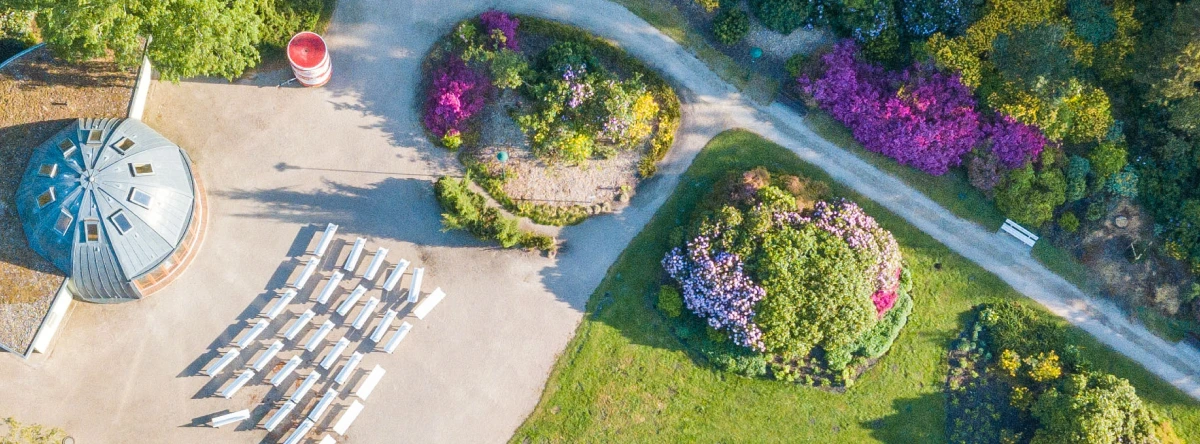
With more than four hectares of gardens, this park is one of the largest of its kind in Germany. It contains around 2,500 rhododendron and azalea plants, some reaching heights of six metres. Although its most spectacular moment occurs during the spring bloom, the park remains an inviting green space throughout the year. Its paths are well maintained and level, making them ideal for a peaceful walk beneath the shade of oak and pine trees that shelter the plants from the Baltic winds.
Gastronomy and beach culture
The character of this corner of northern Germany is reflected both in its cuisine and in its particular way of enjoying the seaside.
Northern fish specialities
Local cuisine revolves around the freshness of Baltic seafood. One dish you should not miss is the Fischbrötchen, a fish sandwich that is something of a regional staple. Popular fillings include marinated herring (Bismarckhering), smoked salmon or shrimp.
For a more relaxed dinner, look for restaurants serving plaice (Scholle) or fresh cod. The preparation is usually simple: high-quality fish accompanied by butter, potatoes and a hint of dill.
The iconic Strandkorb beach chairs
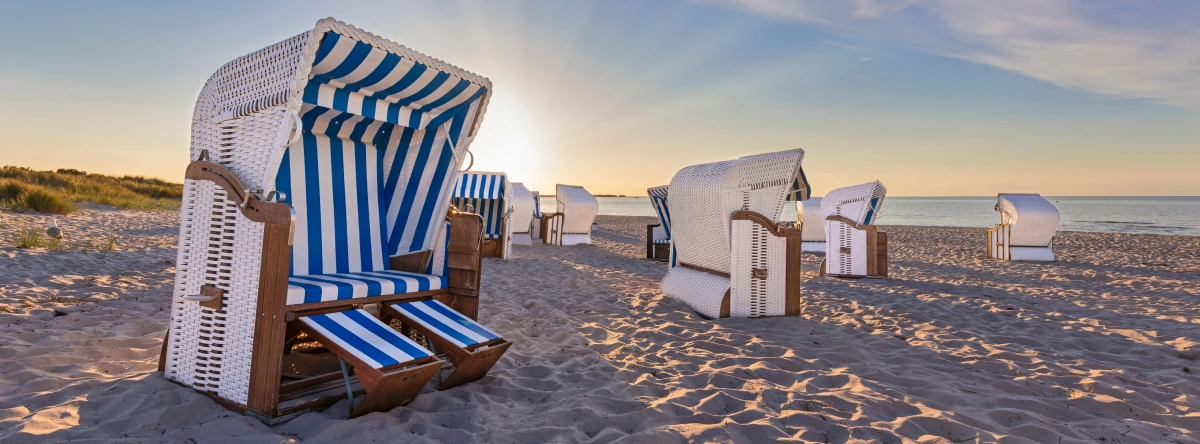
You have probably seen them in photographs: large wicker beach chairs with cushioned seating and a protective canopy. Known as Strandkorb, these seats are not merely decorative — they are designed to shield visitors from the Baltic wind.
They can be rented by the day or by the week from stands along the beach. They offer a comfortable place to read, store belongings and enjoy the sun without being exposed to the wind. After using one, it becomes clear why many Germans consider them essential for a proper day at the beach.If you want to explore more regional flavours, you can read our article Local gastronomy: what to eat on the Baltic coast, where you will discover additional traditional dishes from the region.
Practical tips
To ensure your trip goes smoothly, it helps to understand how everyday life works in a German seaside resort. Some customs may initially seem unfamiliar, but they play a role in keeping the area well organised and clean.
The Kurabgabe tourist tax
In Graal-Müritz, as in most German spa towns, visitors are required to pay a local tourist tax known as the Kurabgabe. This fee contributes to maintaining the beaches, forest trails and free cultural events organised throughout the year.
In most cases, the accommodation provider collects the tax and gives you the visitor card (Kurkarte) mentioned earlier. Access to the main beach areas is regulated, so if you are visiting without staying locally, you will need to pay the fee at ticket machines located near beach entrances.
German schedules and cash payments
If you are travelling from Spain, the difference in daily schedules will probably be noticeable. Life in Graal-Müritz starts early and ends relatively early as well. Shops usually close around 18:00, and many restaurants stop serving dinner between 20:30 and 21:00.
Although the situation is slowly changing, Germany remains a country where cash is still widely used. In small cafés, ice-cream kiosks or fish stands near the pier, credit cards are often not accepted. Carrying some cash with you will help avoid unexpected inconvenience.
A must-visit destination in northern Germany
Graal-Müritz offers a rare balance between wellbeing and leisure that is difficult to find in more crowded destinations. Its purifying air, the beauty of the rhododendron park and the calm atmosphere surrounding the Seebrücke pier create a place that encourages a slower rhythm of life.
With these tips in mind, all that remains is to breathe deeply, listen to the sound of the Baltic waves and discover why so many travellers return year after year to this peaceful seaside retreat.
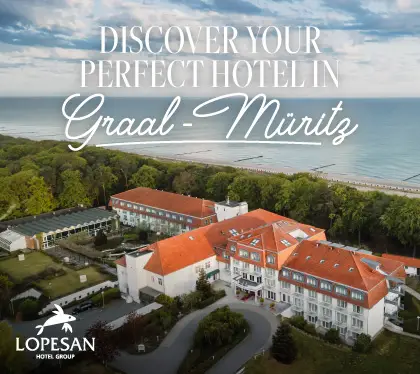
If you are looking for the ideal place to stay, IFA Graal-Müritz Hotel, Spa & Tagungen is one of the most complete options thanks to its location between the forest and the sea. Guests enjoy direct access to the beach and a 1,500 m² spa with an indoor pool, which is particularly welcome on cooler Baltic days. The hotel combines comfort with a carefully curated regional gastronomy and a peaceful atmosphere, making it perfect for experiencing the authentic spirit of this German seaside resort.