Did you know that Fuerteventura has a cultural offer that is a perfect complement to your holiday? If you are a lover of culture and history, this Canary island has a lot to offer. Here is a selection of 16 museums in Fuerteventura that will allow you to immerse yourself in Fuerteventura’s rich heritage and discover its fascinating stories.
Casa Unamuno Museum
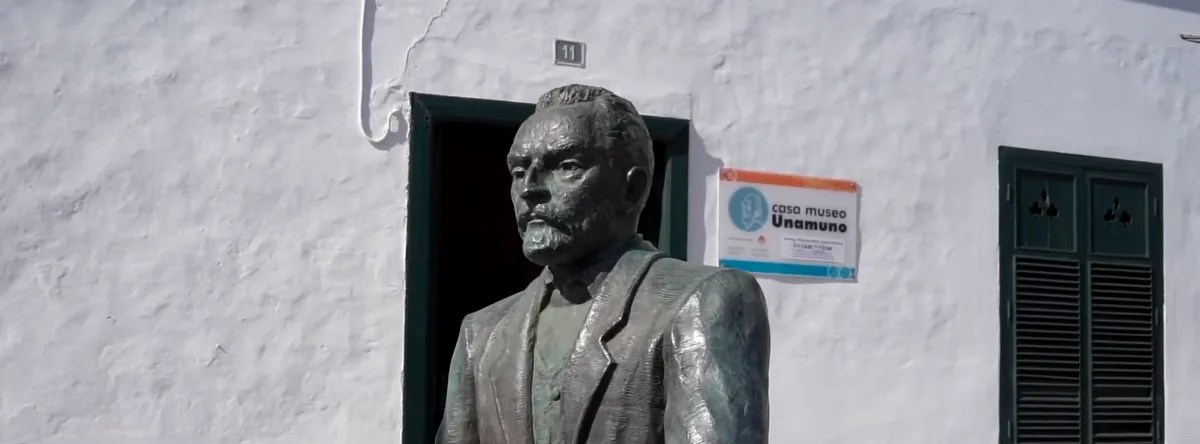
The Casa Unamuno Museum of Fuerteventura, located in the town of Puerto del Rosario, offers a unique insight into the life of the famous writer Miguel de Unamuno during his voluntary exile in 1924.
A tour of the house allows visitors to see the rooms where Unamuno lived and worked, as well as the personal objects that accompanied him during his stay on the island. Visitors have the opportunity to learn more about the writer’s daily life, his habits, his thoughts and his relationship with the Canarian environment.
Casa Museo Unamuno also offers temporary exhibitions, cultural activities and events related to the author’s life and work, creating a dynamic space for reflection and learning about one of the most important intellectuals in Spanish literature.
Museo de la Sal Museum
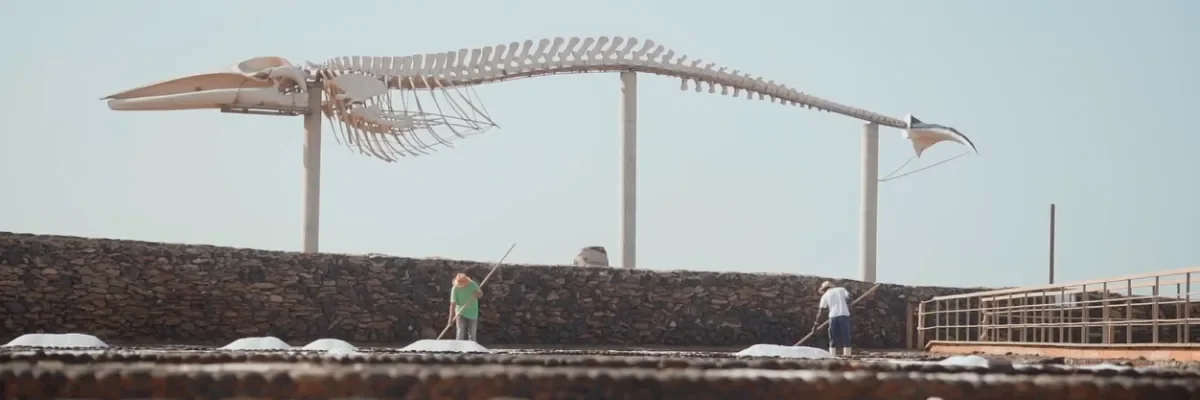
The Fuerteventura Salt Museum, located in Salinas del Carmen, is a living testimony to the history of Fuerteventura since the 18th century. Visitors can learn about the fascinating world of traditional salt production and watch the salt workers in action as they produce one of the most prized salts in the world. Surrounded by stunning natural scenery, including salt mountains and the sea, the museum offers an interactive and informative experience. There is also a restaurant with panoramic views and a shop where visitors can buy local products, including the famous salt from Salinas del Carmen.
Museo del Queso in Fuerteventura
The Majorero Cheese Museum, located in the town of Antigua, is a true gastronomic jewel. This goat’s cheese has been a symbol of quality and culinary tradition since it was granted the Denomination of Origin in 1996.
The museum offers a fascinating journey through the history of the island, from its volcanic formation to the present day, highlighting the importance of livestock farming and the Majorero goat in local culture. Cheese, of course, plays a central role in this tour, showing the art and passion behind its production.
In addition to its historical content, the museum has a number of other attractions, such as a historic mill for the production of gofio, a botanical garden with cacti and native plants, areas for restaurants and a shop where visitors can buy local products.
Puerto del Rosario Sculpture Park
The Puerto del Rosario Sculpture Park is a collection of more than 100 sculptures distributed throughout the streets, squares and roundabouts of the capital of Fuerteventura. The result of international symposiums held since 2001, this open-air space is a living museum that reflects the diversity and creativity of artists from all over the world. These sculptures embellish the urban environment and offer visitors the opportunity to enjoy free art at any time of the day. From abstract pieces to figurative works, each sculpture tells a unique story and reflects the island’s identity.
Interpretation Centre for the Battles of El Cuchillete and Tamasite
The Interpretation Centre of the Battles of El Cuchillete and Tamasite offers a fascinating look at one of Fuerteventura’s most important historical episodes. Through interactive exhibits and didactic materials, visitors can explore in detail the battles that took place in this region, understanding their context, development and repercussions on the island’s history. Immerse yourself in the past and discover the events that shaped Fuerteventura’s destiny in this unique centre.
Interpretation Centre of the Jandía Natural Park
Located in the Punta de Jandía lighthouse, this centre offers a detailed exhibition on the geology, flora, fauna and landscape of this park. This natural area, the largest in Fuerteventura, is home to a unique variety of species and landscapes: cliffs, hills and sand dunes, among others. The centre is also an example of the cultural and natural importance of this area to the island’s inhabitants.
La Atalayita Interpretation Centre
In the valley of Pozo Negro, in the east of Fuerteventura, lies the village of La Atalayita, a fascinating archaeological site from the time of the island’s aborigines, known as ‘Mahos’ or ‘Majos’. The La Atalayita Interpretation Centre offers visitors the opportunity to explore these historic structures and immerse themselves in the island’s past. Every corner of this settlement tells a fascinating story, from its function as a night shelter to its importance as a refuge from natural disasters and attacks. Be sure to climb to the top for an exceptional panoramic view of this historic settlement.
La Ampuyenta Cultural Complex
The Cultural Heritage Complex of La Ampuyenta, located in the area of the same name, is a historical and cultural treasure of Fuerteventura. This complex, which has been restored and is open to visitors, is made up of several buildings of great importance:
- Casa de Fray Andresito: This sanctuary, dedicated to the Franciscan friar Andrés Filomeno García Acosta, is a simple but significant tribute. García Acosta is currently in the process of being canonised.
- Casa Doctor Mena: This house, which has been converted into a museum, was the home of the famous Fuerteventura doctor, Doctor Mena. With a life marked by study and service, Doctor Mena left an invaluable legacy to the island’s medicine.
- The Hospitalito: Built thanks to the legacy of Doctor Mena, this hospital was an architectural innovation in Fuerteventura. Its construction at the end of the 19th and the beginning of the 20th century was a milestone in the history of the island and a significant step forward in local medical care.
La Alcogida Ecomuseum
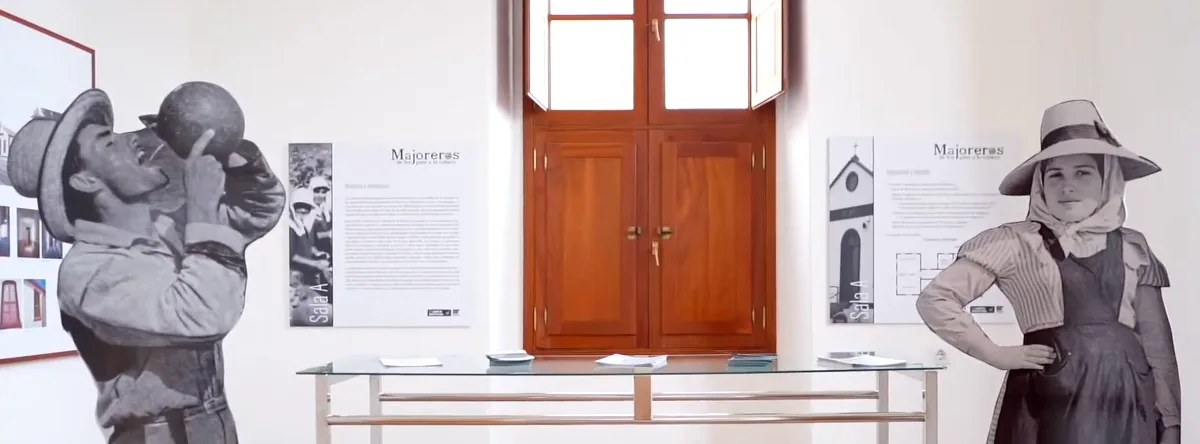
La Alcogida Ecomuseum is a reflection of traditional rural life in Fuerteventura, made up of seven buildings that represent the architectural diversity of the island. Visitors can explore workshops where local craftsmen demonstrate their skills and learn about Mallorcan rural life from the 19th century to a few decades ago. Located near the village of Tefir, this living museum allows visitors to interact with craftsmen and discover water collection systems and other aspects of rural life on the island.
La Entallada Lighthouse
The lighthouse of La Entallada, an architectural icon of the municipality of Tuineje, stands on the south-eastern tip of Fuerteventura, near Gran Tarajal and Las Playitas. From its elevated position overlooking the Atlantic Ocean, some 200 metres above sea level, it forms a symbolic link between two continents, barely 100 kilometres in a straight line to Africa. Built in 1953 with red ashlars from Montaña Bermeja, the lighthouse stands out for its powerful light and its strategic importance, as it also houses the SIVE (Integrated External Surveillance System) due to the migratory phenomenon in the region.
Archaeological Museum of Fuerteventura
The Archaeological Museum of Fuerteventura, located in the historic village of Betancuria, is a modern space dedicated to cultural promotion and research. It is the main source of knowledge about the Majorero aborigines, known as the Mahos. Through findings from sites such as Montaña Tindaya, Cueva de Villaverde and La Atalayita, among others, the museum immerses us in the magical-religious world of the Mahos and their material culture. This museum is essential for a better understanding of the history of Fuerteventura and for unravelling the secrets of its ancient inhabitants.
Traditional Fishing Museum
The iconic El Tostón lighthouse in the north of Fuerteventura now houses the Fuerteventura Museum of Traditional Fishing. This place, rooted in the wisdom of local sailors, reveals the secrets of sustainable fishing that has been practised on the island for centuries. It is a living testimony to the maritime history of Fuerteventura and the village of El Cotillo, near the lighthouse.
With this complete list of museums and interpretation centres, you now have the perfect excuse to start planning your visit. To make it easier for you to find accommodation in Fuerteventura, the Lopesan Hotel Group offers you its hotels on the island: an unbeatable selection of hotels to make your stay an unbeatable experience.