Guayadeque is a ravine between the municipalities of Ingenio and Agüimes that offers a landscape of great beauty and historical significance. In this article, we explore the rich biodiversity, ancient caves, and traditions that make this area a unique and captivating destination. Discover why Guayadeque ravine is a must-visit for nature and culture enthusiasts in Gran Canaria.
History and tradition of Guayadeque
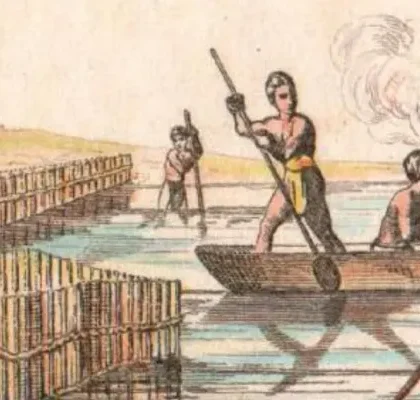
The Guayadeque ravine boasts a rich history and deep-rooted traditions. Since pre-Hispanic times, this ravine has held great importance for the inhabitants of Gran Canaria. The native Canarians found a natural refuge in Guayadeque, using its caves as homes, granaries, and places of worship.
Early settlers and their legacy
The first inhabitants of Guayadeque left behind a significant legacy that can still be observed today. Many of the caves, carved into volcanic rock, were used as dwellings and necropolises. Here, the Canarians developed a way of life adapted to the conditions of the ravine, making use of the natural resources available. Archaeological remains, including stone tools, pottery, and rock carvings, have been discovered, showcasing the cultural richness of its ancient inhabitants.
The conquest and transformation
The arrival of Spanish conquerors in the 15th century brought dramatic changes to life in Guayadeque. The lands and caves that had been the Canarians’ home for centuries were taken over by the new settlers. Despite this, many of the cave traditions and uses persisted, albeit adapted to the times and customs of the colonisers. For centuries, the caves continued to be used as homes, granaries, and cellars, and today, some have been transformed into restaurants and museums.
Festivals and celebrations
The Guayadeque ravine is also renowned for its traditional festivals and celebrations. One of the most notable is the San Juan pilgrimage, held each June. This festivity, which blends religious and pagan elements, attracts numerous visitors who participate in processions, dances, and traditional meals.
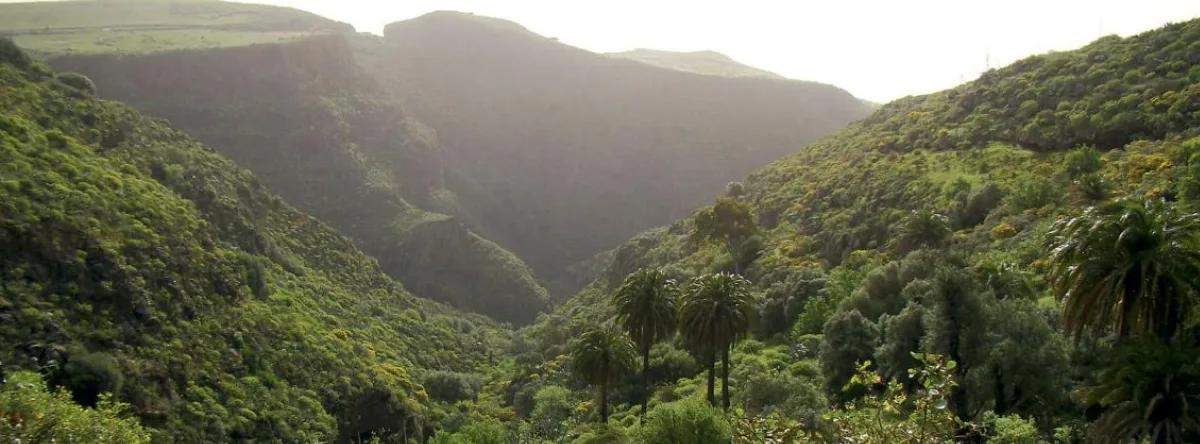
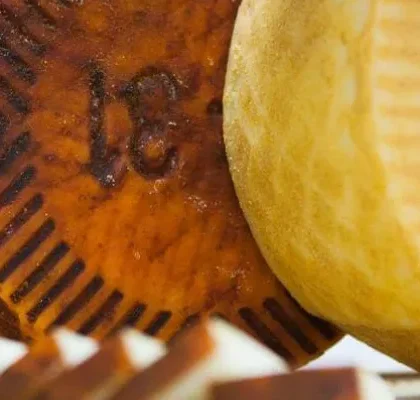
Additionally, the production of cheese, wine, and gofio remains an important part of life in Guayadeque. These products, made using traditional methods, are yet another example of the customs and history of the ravine.
Guayadeque today
Today, the Guayadeque ravine remains a reflection of Gran Canaria’s history and tradition. Its caves, traditional festivals, and natural surroundings showcase the island’s cultural and natural wealth. Furthermore, the ravine has been declared a Natural Monument, ensuring its protection and preservation for future generations.
How to get to the Guayadeque ravine?
To reach the Guayadeque ravine trail, there are several options depending on your starting point and preferred mode of transport. This impressive ravine lies between the municipalities of Ingenio and Agüimes and is accessible by both car and public transport.
By car
The most convenient and flexible way to reach Guayadeque Ravine is by car. From Las Palmas de Gran Canaria, follow these steps:
- Take the GC-1: Head south on the GC-1 motorway towards Ingenio.
- Exit 18: Take exit 18 towards Carrizal-Ingenio.
- Towards Agüimes: Follow the signs to Agüimes and then to Guayadeque Ravine.
- GC-103: Continue on the GC-103 road, which leads directly to the ravine.
The drive from Las Palmas de Gran Canaria takes approximately 30-40 minutes, depending on traffic. The distance from the nearby municipalities of Ingenio and Agüimes to the restaurants in the ravine is around 6-7 kilometres.
By public transport
It is also possible to reach Guayadeque Ravine by public transport, although it may require more time and planning. Here’s how you can do it:
- Bus to Ingenio: From Las Palmas de Gran Canaria, take a Global bus, Gran Canaria’s public transport company. Line 11 will take you from the San Telmo station to Ingenio.
- Taxi or walk: Once in Ingenio, you can take a taxi directly to the ravine. Alternatively, if you enjoy walking, you can start your route from the town, though this will add time to your journey.
Organised excursions
If you prefer a guided experience, several tour companies offer organised excursions to Guayadeque Ravine. These excursions often include transport from your hotel, a guided tour of the ravine, and sometimes even a meal at one of the traditional cave restaurants.
What to see in Guayadeque
The Guayadeque ravine is full of natural and historical wonders. Here are some must-see spots if you visit Guayadeque.
Guayadeque Interpretation Centre
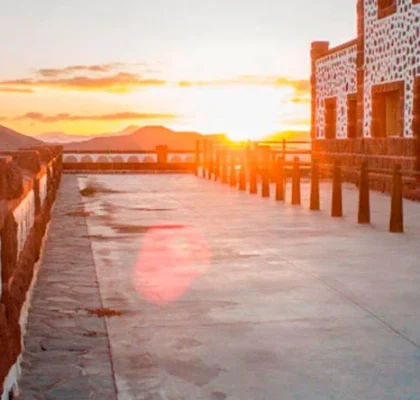
The Guayadeque Interpretation Centre, opened in late 2001, is a visitor welcome point designed to showcase the environmental and heritage values of the ravine.
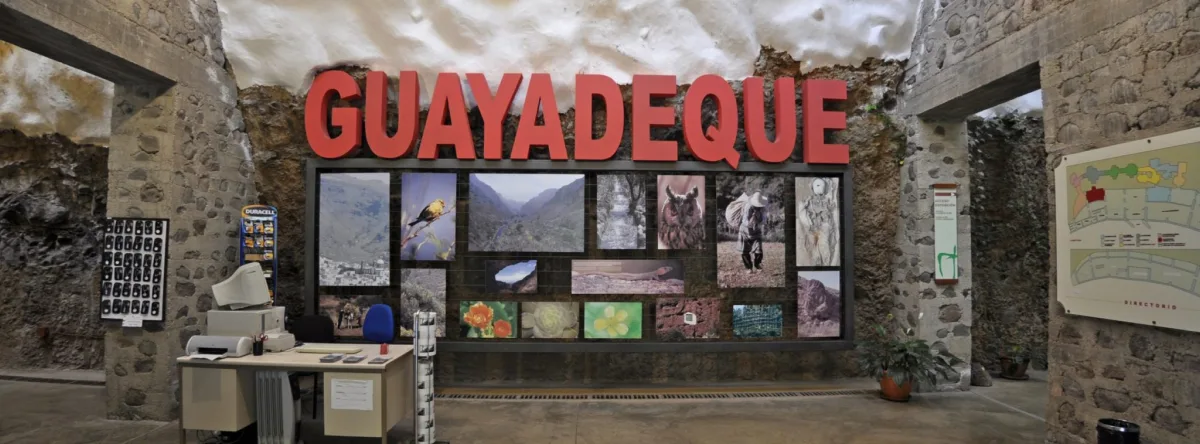
The exhibition begins with an introduction to the ravine’s natural environment, followed by a detailed explanation of the life of the ancient aboriginal inhabitants. It also illustrates how European colonisation altered the area’s use and lifestyle. The display concludes with an overview of current activities and traditions in Guayadeque, highlighting the persistence of traditional practices and the importance of water in local agriculture.
The centre features various multimedia systems in three languages (Spanish, English, and German) and explanatory panels, as well as a shop selling artisan products, food items, and publications.
Guayadeque caves
The Guayadeque caves are one of the ravine’s main attractions. These caves were inhabited by the native Canarians and some are still in use today, adapted as homes, restaurants, and small museums. Exploring these caves will give you a deeper understanding of how the ancient inhabitants ingeniously adapted to their environment.
Enjoy the local cuisine
A highlight of the Guayadeque caves is their culinary offering. This is one of the island’s most popular and unique spots for lunch or dinner. The restaurants located in the caves offer a unique experience that combines the tasting of traditional Canarian dishes with the opportunity to enjoy an authentic and historic setting. The food is served in a special atmosphere that transports diners to another time. Enjoying a meal in Guayadeque is a way to discover the troglodyte lifestyle that still persists in Gran Canaria.
Guayadeque caves: how to get there
To reach the Guayadeque caves from the Interpretation Centre, follow these directions:
- By car: Continue along the GC-103 road from the Interpretation Centre, following the signs to the caves. The journey is short and well-signposted.
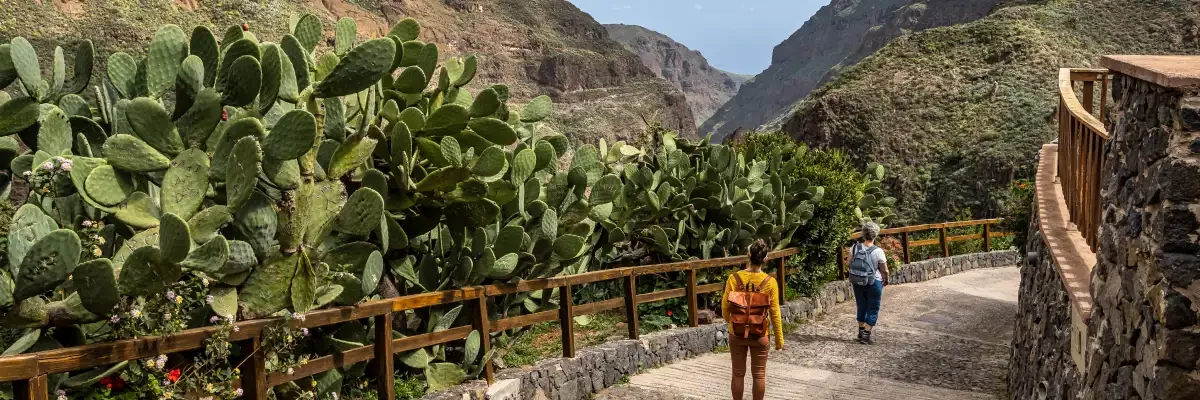
- On foot: If you prefer walking, you can follow the marked trails from the Interpretation Centre. The walk offers spectacular views of the ravine and the chance to enjoy nature at its finest.
Local crafts and products
In Guayadeque, you’ll find shops and stalls offering local crafts and typical products from the region. Among the available items are:
- Handcrafted ceramics: Made by local artisans, featuring traditional Canarian designs.
- Gastronomic products: Pure Guayadeque honey, cheeses, and wines produced in the area.
- Jewellery: Unique, handcrafted designs reflecting the local culture.
- Natural cosmetics: Made with ingredients such as aloe vera, rosehip, caviar, and wine therapy.
All these products are carefully crafted by local artisans, ensuring their quality and authenticity. Additionally, purchasing from these stalls is a way to support the local community and its artisanal traditions.
Curious about visiting this natural wonder? Don’t hesitate any longer—find accommodation in Gran Canaria, where Lopesan Hotel Group offers you the chance to spend your holiday in complete comfort and luxury. Visit Guayadeque Ravine and enjoy this unique destination, with its rich history, natural beauty, and traditions.