Dominican cuisine reflects the island’s history: a rich blend of Taíno, Spanish and African influences. While savoury dishes such as sancocho or la bandera are widely known, the real soul of Dominican after-dinner culture lies in its desserts. To talk about Dominican sweets is to talk about tradition, family gatherings and an unapologetic sweetness shaped by some of the island’s most characteristic ingredients.
Trying local desserts gives travellers more than something sweet to finish a meal. It is one of the best ways to understand the island’s generosity and hospitality. From creamy habichuelas con dulce to rustic coconut treats, these are recipes with their own history. Anyone staying in the Playa Bávaro area will soon find that these flavours are the perfect final note after a day of sun and sea.
The foundations of Dominican dessert-making
To understand why Dominican desserts have such a distinctive flavour, it helps to start with the pantry. Most traditional recipes are built around three essential ingredients: milk, cane sugar and coconut.
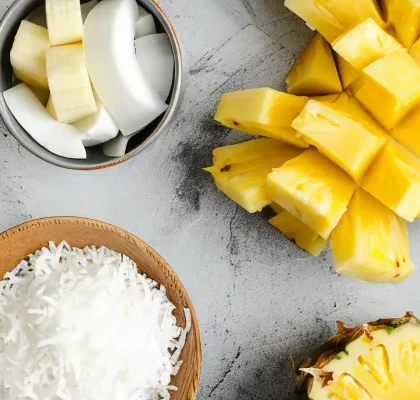
Coconut is the undisputed star. It appears in many forms: grated, turned into milk or reduced into cream. Alongside it, tropical fruits such as guava, mango and pineapple bring the acidity needed to balance the sweetness. Spices also play a central role. Cinnamon, cloves and vanilla are the aromas that fill Dominican kitchens in the afternoon, creating a warm and welcoming atmosphere.
Habichuelas con dulce
It is impossible to talk about desserts in the Dominican Republic without mentioning habichuelas con dulce. It is, without question, the island’s most iconic and surprising sweet for many visitors. Using beans in a dessert may sound unusual at first, but the result is a smooth, spiced cream that feels deeply comforting.
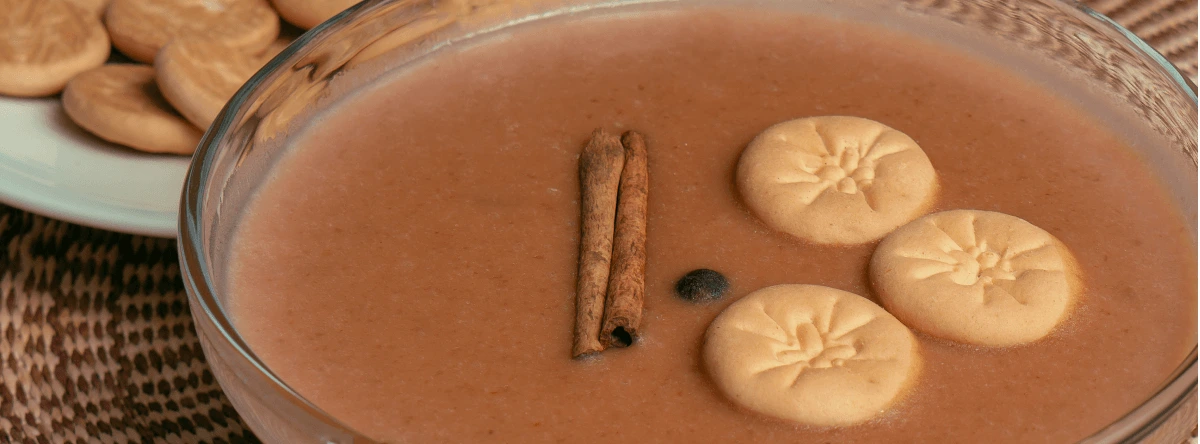
This dish is closely tied to the idea of sharing. Traditionally, it is prepared in large quantities during Lent and Holy Week and distributed among neighbours and relatives. The recipe combines blended red beans with coconut milk, evaporated milk, sugar, sweet potato and spices. It is finished with raisins and the iconic galletitas de leche — small round biscuits marked with a cross that float on top of the cream. Served warm or chilled, it captures Dominican culinary identity better than almost any other dessert.
Majarete
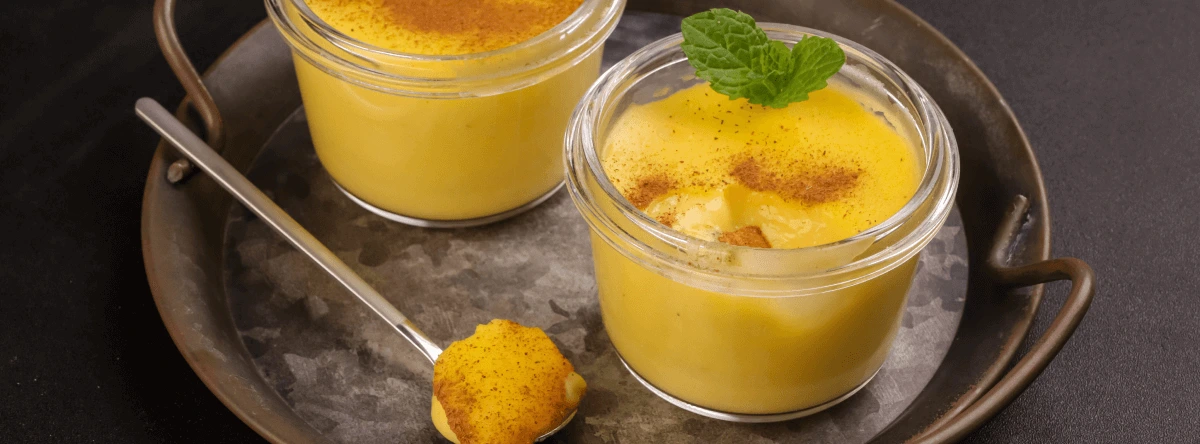
Another Dominican dessert with deep roots is majarete. This is a thick, creamy pudding made with grated fresh corn, coconut milk, sugar and cinnamon. Its texture is somewhere between custard and flan, but with the distinctive grain and flavour of fresh corn.
Majarete is a tribute to the island’s indigenous heritage. It is a simple dessert on paper, but one that requires care to achieve the right creamy consistency without sticking to the pan. It is usually served with a generous dusting of cinnamon, which lifts the aroma of the corn. It is the kind of dessert you can find both on modest family tables and in the buffets of high-end hotels in Punta Cana.
Dulce de leche in all its variations
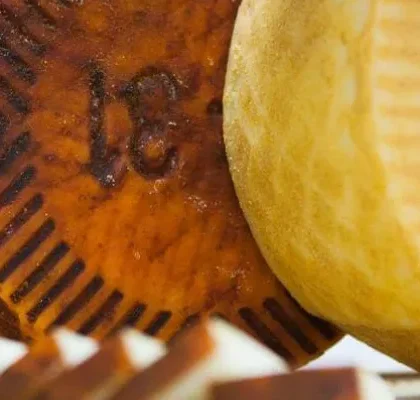
Dominican dulce de leche is different from the versions more familiar in Europe or South America. Here, the texture is often firmer and slightly crumbly, usually presented in small blocks known as cortados.
- Dulce de leche cortado: Lemon juice is used to curdle the milk during cooking, creating small curds that absorb the cinnamon-infused sugar syrup. The result is a dessert with a distinctive texture and flavour.
- Dulce de leche with fruit: It is common to find it combined with guava paste or coconut. The richness of the milk and the intensity of the fruit create a particularly satisfying balance.
Coconut jaleos and fruit preserves
Coconut is the ingredient that never fails. Desserts made in syrup and preserves are an essential part of Dominican tradition. Fresh coconut is grated and slowly cooked with sugar until it turns into a glossy sweet known as jaleo.
Fruit-peel sweets are also popular, especially those made with orange or grapefruit. These are cooked in a thick syrup until the peel becomes translucent and sweet, losing its bitterness while keeping its citrus aroma. They are desserts that demand patience and show the Dominican mastery of sugar work.
Dominican desserts in Playa Bávaro
Enjoying these Dominican desserts becomes even better when the setting matches the experience. Imagine ending a dinner by the Caribbean Sea with a portion of dulce de leche cortado or freshly made majarete. In the Playa Bávaro area, local gastronomy reaches another level thanks to the variety of high-quality dining options.
For travellers looking for a more complete experience, staying somewhere that pays attention to these details makes all the difference. The new Lopesan Caoba Lagoon offers the luxury of being surrounded by nature and cenotes, where gastronomy becomes part of the sensory experience. Likewise, Lopesan Serenity Bay provides an exclusive atmosphere ideal for tasting some of the island’s most refined flavours.
If you are travelling with family, children often gravitate towards something a little more lively. At Lopesan Splash Cove, the fun never stops, and its dining options are designed so that younger guests can discover coconut and tropical fruit through playful desserts. And, of course, there is always Lopesan Costa Bávaro Resort, Spa & Casino, where the variety of restaurants makes it possible to sample many of the region’s best-known desserts without leaving the resort.
Dominican sponge cake
No list of Dominican desserts would be complete without mentioning Dominican sponge cake. This is not just any cake; it is known for its remarkably light texture and the meringue icing that covers it. The secret lies in the whipping of the batter and the generous use of butter, which gives it an almost melting texture.
It is often filled with pineapple jam or dulce de leche and is the centrepiece of birthdays and weddings across the island. If you ever have the chance to try a slice, it quickly becomes clear why Dominicans living abroad miss it so much: it tastes of celebration and childhood.
Trying Dominican desserts is one of the best ways to connect with the country’s culture. These recipes have been passed down from one generation to the next, preserving the flavours of sugar-cane fields and coconut groves. Whether it is a simple coconut sweet from a street stall or an elaborate dessert served in a high-end restaurant, the effect is the same: it brings you a little closer to the true essence of the Dominican Republic.