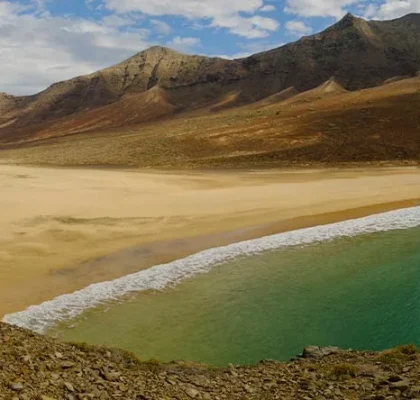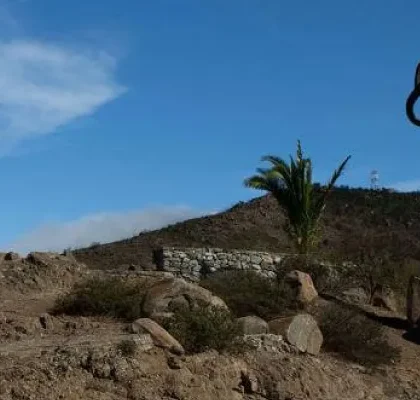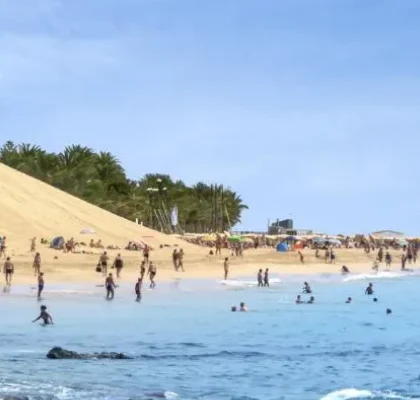
Fuerteventura is often associated with long beaches, dunes and open landscapes. And it is true that this is the image many travellers take with them after staying in Fuerteventura. But if you slow down a little and pay closer attention to the terrain, you will find that the island also hides other, more discreet corners: small caves that appear in cliffs, ravines and volcanic areas.
You do not need to plan a major excursion to find them. Sometimes, a short walk along the coast or a visit to a quiet village is enough to come across an opening in the rock. These are simple places that show the island as it is. The sea, the wind and the lava have shaped these spaces over time.
In this article, we visit some of the best-known caves in Fuerteventura, along with others that tend to go more unnoticed. The Ajuy Caves stand out for their geological importance and the landscape that surrounds them. The Cueva del Llano, in Villaverde, offers a very different experience underground. Alongside them, other caves across the island help you better understand this unique volcanic landscape.
The caves of Fuerteventura: volcanic landscapes by the ocean
The origin of many caves in Fuerteventura is linked to the island’s volcanic character. Although Fuerteventura is older than other islands in the archipelago, its terrain still shows clear traces of that geological past. Lava, wind and the ocean have shaped the rock over thousands of years, creating small cavities in different parts of the island.
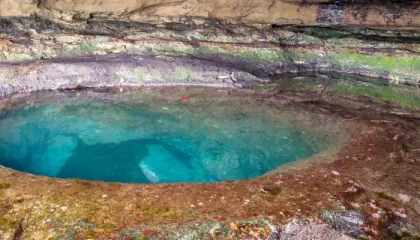
On the coast, the sea has carved hollows into the cliffs and rocky platforms. The waves strike the stone constantly and gradually open cracks and cavities that, over time, become caves. Many of them are very close to the water and form part of those volcanic landscapes that are so characteristic of Fuerteventura’s coastline.
Inland, their origin is different. Some cavities were created during ancient eruptions, when lava advanced across the surface and left underground conduits behind. The Llano cave, in Villaverde, is one of the best-known examples of this type of formation.
Visiting caves in Fuerteventura is not just about discovering curious places. It is also a simple way to understand how the island was formed. Each cavity tells a small part of that story written in the rock, between the volcanoes of Fuerteventura, the wind and the ocean.
Ajuy caves, the most impressive on the island
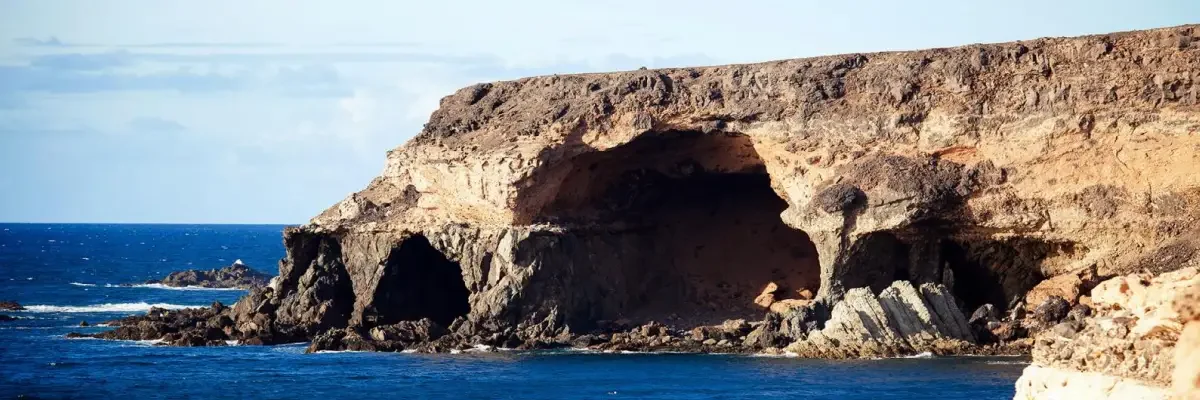
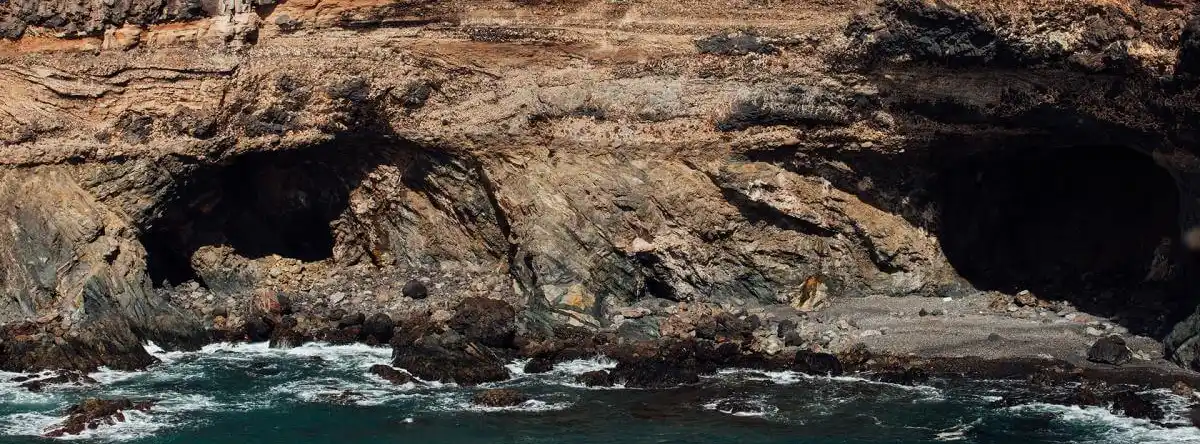
On the west coast of Fuerteventura, next to the small village of Ajuy, you will find some of the island’s best-known caves. The Ajuy caves form part of the Ajuy Natural Monument and stand out for their geological value and the landscape that surrounds them. The dark cliffs, the constant sound of the Atlantic and the force of the wind create a setting that feels very different from other, more tourist-oriented areas of Fuerteventura.
These cavities open up along a stretch of coastline where the rocks are extremely old. In fact, some of these geological materials are millions of years old and help explain how the Canary Islands were formed. The walk to the caves is not difficult, but the route reveals one of the island’s most striking landscapes.
How to get to the Ajuy caves in Fuerteventura
The access route begins in the village of Ajuy, in the municipality of Pájara. A well-signposted path starts from the beach and runs along the upper part of the cliffs. The walk is short and easy to follow, although comfortable footwear is needed because the ground is uneven in some sections.
As you continue, the path offers good views of the ocean and the volcanic coast. After a few minutes’ walk, the entrance to the caves appears at the base of the cliffs. The site receives visitors throughout the year, but the route keeps a quiet atmosphere if you visit early in the morning or towards the end of the day.
Price and access to the Ajuy caves
Visiting the Ajuy caves is free. There is no entrance fee or official opening time, as the path and the cavities form part of a natural area open to the public.
Even so, caution is recommended. Wet rock can be slippery and the waves are often strong along this part of the coast. It is important to follow the marked paths at all times and avoid getting too close to the edge of the cliffs. This way, the visit can be enjoyed calmly and safely.
Llano cave, the great volcanic cave of Villaverde
In the north of the island, near the village of Villaverde, lies one of Fuerteventura’s most interesting geological spaces. The Llano cave is an ancient volcanic tube that formed during an eruption thousands of years ago. As the lava moved across the surface, conduits were created inside it, which eventually emptied and gave rise to this underground cavity.
Unlike other caves in Fuerteventura that open out towards the ocean, the landscape here is different. The surroundings are marked by lava fields and gentle volcanic mountains. Beneath that apparently quiet terrain lies this natural tunnel, which helps explain the island’s geological origin.
How to visit the Llano cave
The Llano cave in Villaverde has a small interpretation centre located next to the entrance. Guided visits to the interior of the volcanic tube are organised from there.
The route is short and takes place with staff from the centre, who explain how the cavity was formed and what characterises this type of volcanic landscape. During the visit, they also talk about the small invertebrates that live inside, adapted to life in complete darkness.
Opening times and price of the Llano cave
The Llano cave in Fuerteventura is visited with an entrance ticket. The centre usually opens during the day with different opening times depending on the season, so it is best to check the latest information before going.
Access is organised in small groups and the guided visit lasts approximately half an hour. It is an interesting stop for anyone who wants to discover the island’s more geological side and see what the volcanic cavities formed beneath the surface are like.
Other lesser-known caves in Fuerteventura
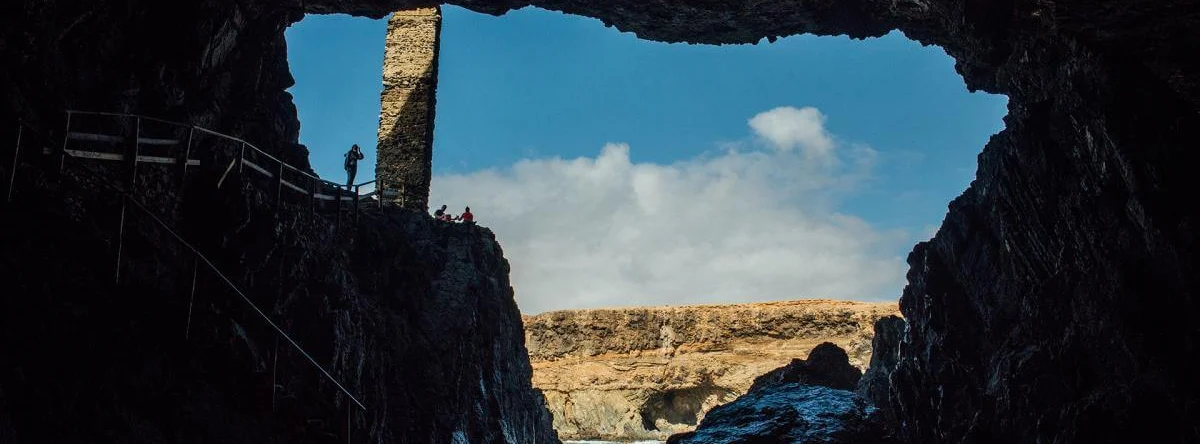
In addition to the island’s best-known cavities, there are other corners where volcanic rock also forms small caves beside the sea or in cliff areas. They do not have the fame of the Ajuy caves or the geological interest of the Llano cave, but they help complete the map of Fuerteventura’s caves, which are spread across different parts of the island.
Los Molinos caves
On the west coast, near the village of Los Molinos, the ocean has been carving into the volcanic rock for centuries. The result is a stretch of coastline with natural cavities that appear at the base of the cliffs and on the rocky platforms exposed at low tide.
The Los Molinos caves in Fuerteventura form part of an open and fairly quiet landscape, where the sea takes centre stage. It is not a place set up as a tourist attraction, but it is a good spot to observe up close how marine erosion gradually transforms the island’s terrain.
Herminia cave
Another cavity known to those who take their time exploring the coast is the Herminia cave in Fuerteventura. It is a small natural formation opened in the volcanic rock, located in a coastal setting where the landscape retains quite a wild aspect.
It is not a large cave, nor is it a heavily signposted place. Its interest lies in the surroundings and in the feeling of discovering one of those corners many travellers overlook. In areas like this, several similar cavities appear as part of Fuerteventura’s hidden caves: small hollows in the rock that emerge where the sea and wind have shaped the coast over centuries.
Tips for visiting caves in Fuerteventura
Visiting caves is a quiet way to discover another side of the island. However, many of them are located in natural areas with very little infrastructure, so it is worth keeping a few simple details in mind before the visit.
- Pay attention to the sea conditions – Several caves are located close to the ocean, especially along cliff sections or on rocky platforms. The swell can change quickly on the island’s west and north coasts. Before approaching the base of the cavities, check the sea and avoid areas where the waves are hitting hard.
- Wear suitable footwear – Volcanic terrain is often uneven and, in some places, the rock can be slippery, especially near the water. Comfortable footwear with a good sole helps you walk safely along paths, cliffs and rocky areas.
- Respect the natural environment – Many of these cavities form part of protected natural areas in Fuerteventura or landscapes of great geological value. It is best to follow existing paths at all times, leave no waste behind and avoid altering the rock or the surroundings.
After visiting some of the best-known caves in Fuerteventura and other less obvious corners of the island, many travellers look for a quiet place to rest and continue enjoying the Majorero landscape. In the south of the island, accommodation such as IFA Altamarena Hotel and IFA Villas Altamarena, by Lopesan Hotel Group, offers a good starting point for continuing to discover the coast, the beaches and other natural spaces that make Fuerteventura such a special destination.