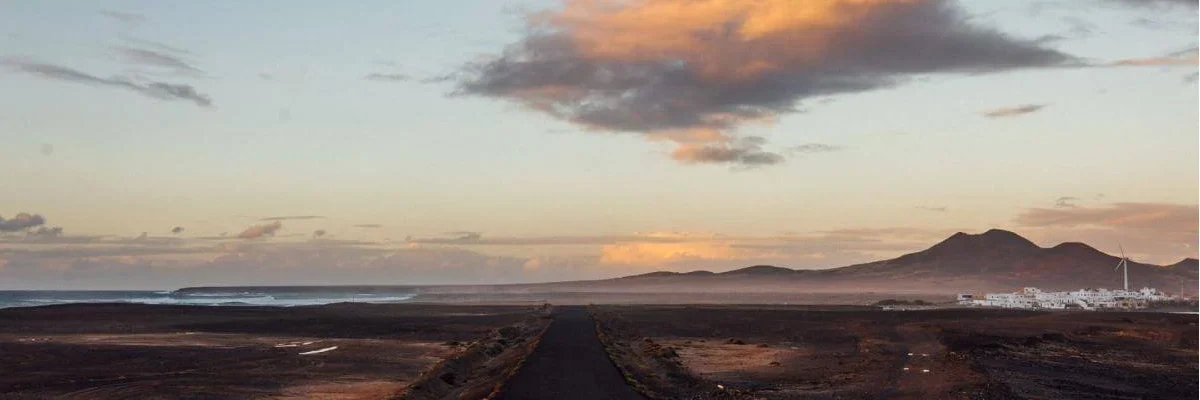
Jandía is often described as the “wild west” of the Canary Islands and one of the best areas in the archipelago for hiking. Routes in the south of Fuerteventura cross landscapes of striking barrenness, where fossil dunes blend with ancient volcanic massifs. The sense of isolation is remarkable: there are trails where the only sound is the wind hitting the basalt ridges.
Exploring this peninsula on foot gives you a clear sense of the island’s geological force. You will come across routes that cut through protected natural areas of stark beauty, far from any paved roads. To enjoy the experience fully, it is important to understand the terrain, as Fuerteventura’s volcanic origins have shaped a demanding landscape of loose stone and dry ravines that requires attention and respect. If you are looking to connect with the island’s most untouched nature, hiking in Jandía is the best way to do it.
Three routes to discover the essence of Jandía
Choosing the right hiking route in southern Fuerteventura depends on what you are looking for: elevation gain, a sense of history or a closer look at the island’s geology. The south is far from monotonous; it is a landscape of contrasts revealed through these three key trails:
Pico de la Zarza
This is the climb to the highest point on the island, reaching 807 metres above sea level. It is a physically demanding route due to the constant ascent over roughly seven kilometres. The path itself is a loose, stony track that can feel repetitive, but the effort pays off at the summit.
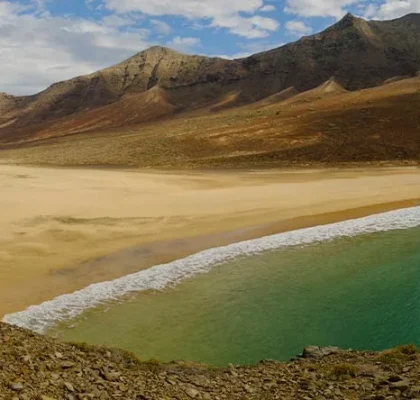
At the top, the terrain drops sharply over the Barlovento coast, offering a dramatic aerial view of Cofete Beach. It is important to check the weather forecast beforehand, as low clouds can completely cover the summit and block visibility.
From Gran Valle to Cofete
This is the route with the strongest historical character, as it follows the old path once used by shepherds to cross the massif. The trail passes through a valley of stark beauty before reaching the Degollada de Agua Oveja.
From there, the descent towards Cofete reveals the vastness of the landscape without the complications of the dirt road used by vehicles. It is a rocky route where strong winds are common, especially at the mountain pass.
Fossil dunes of La Pared
A different option with lower technical difficulty. Instead of shifting sand, here you walk across palaeodunes: organic sand formations that have solidified into stone over time.
The wind has shaped the terrain into unusual forms that contrast with the black basalt and the deep blue of the sea. It is a visually striking route, ideal if you want to understand the island’s formation without dealing with steep climbs.
Weather conditions: wind and sun in Jandía
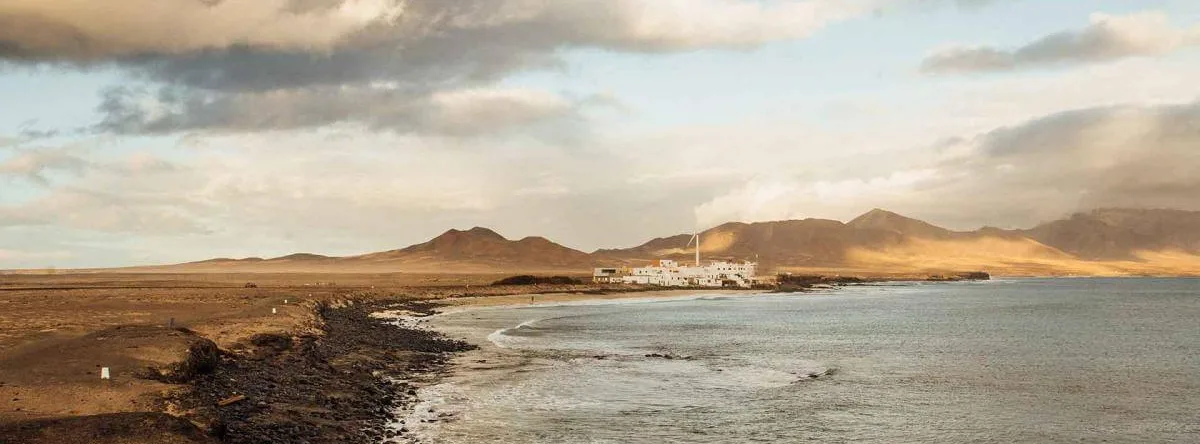
Planning a route in the south of the island means keeping an eye on the sky, and especially on wind conditions. Here, the weather plays a decisive role in how challenging a trail can be.
The sun is constant, and the lack of shade throughout Jandía Natural Park (Parque Natural de Jandía) makes solar exposure particularly intense, especially on clear days. Even when the sky is slightly overcast, it is easy to underestimate the risk: light reflected off volcanic ground and sand remains strong and can cause sunburn without the sensation of heat.
The wind is the other key factor. On ridges and mountain passes, strong gusts can destabilise your footing or increase physical fatigue much faster than expected. Knowing when wind conditions are milder in Fuerteventura is essential before attempting routes like Pico de la Zarza. When winds blow strongly from the north, southern coastal routes tend to be more sheltered, while ascents become significantly more demanding.
Essential equipment for the terrain
Walking in this peninsula requires gear suited to harsh conditions. The ground in Jandía can be unforgiving: basalt and loose volcanic rock are highly abrasive and can wear down soft soles in just a few kilometres. It is essential to wear sturdy hiking footwear with good structure and grip to avoid slipping on rocky descents.
Hydration is another critical factor. With no natural water sources or shade along the routes, you need to carry enough water. A minimum of two litres per person for shorter hikes is recommended, increasing this amount for longer routes. Reaching the starting points also requires planning, as access to places such as Cofete or La Pared involves dirt tracks where having the right vehicle makes a difference.
Respect for the environment and protected wildlife
The Jandía Natural Park is a fragile ecosystem that requires responsible behaviour. When walking these trails, you enter a Special Protection Area for Birds (SPA), home to endangered species such as the Egyptian vulture (known locally as guirre).
These birds, along with other endemic species, nest on the rock faces of the massifs, so it is essential to stay on marked paths to avoid disturbing their habitat.
Maintaining silence and leaving no trace is part of the hiking ethic on the island. Jandía’s flora is also unique; many of the plants growing among the rocks are exclusive to this region and have adapted to extreme conditions of salinity and limited water. Respecting these species and avoiding interference with the terrain helps preserve this landscape for future visitors.
Why choose Jandía for your next hike
Hiking in southern Fuerteventura offers a landscape unlike any other part of the island. While the centre and north are more eroded and gentle, this peninsula concentrates the oldest massifs and the highest elevations.
This allows for routes with significant elevation gain that end in cliffs dropping nearly 800 metres down to the sea.
What sets Jandía apart is the ability to experience two completely different environments within a short distance: the calm waters of Sotavento and the raw force of Barlovento, one of the wildest stretches of the Atlantic. In a single day, you can walk across fossil dunes and pure basalt formations, something that gives this area a unique geological value. It is the ideal place if you want to hike for hours without crossing paths with anyone, in a landscape that has remained unchanged for centuries.
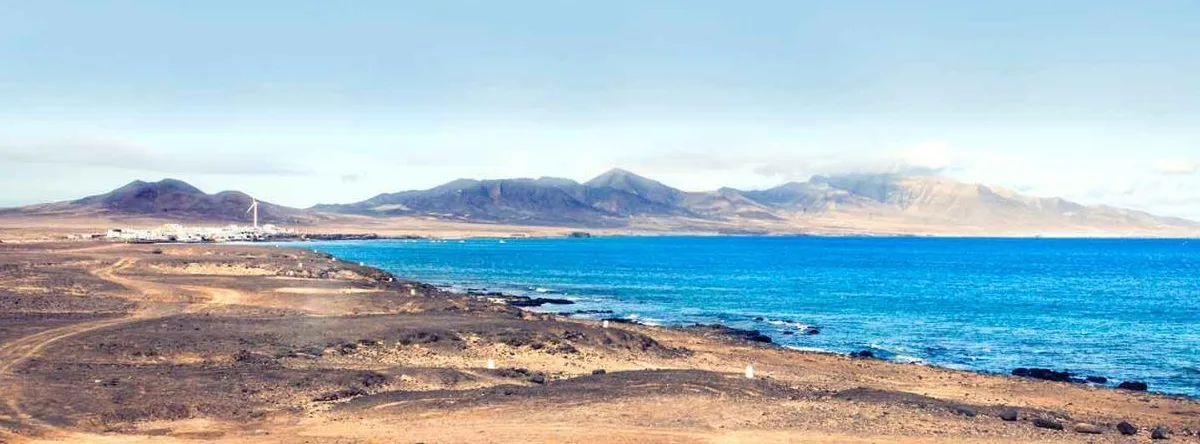
Your base after hiking in Jandía
After a day of hiking, rest is just as important as the route itself. To recover properly, Lopesan Hotel Group accommodations in Morro Jable offer the right balance between comfort and proximity to these natural areas. Having a good base allows you to plan your routes according to the weather and enjoy the calm of the south once you return.
Just ten minutes on foot from the villas is the Hotel IFA Altamarena by Lopesan Hotels, set on the beachfront of Jandía. Its rooms, decorated in earthy and blue tones, offer a practical and comfortable retreat for hikers. The hotel also includes a Premium All Inclusive option and a buffet restaurant serving local and international cuisine, ideal for recovering energy. With tropical gardens and swimming pools, it becomes the perfect complement to a well-rounded hiking trip in Fuerteventura.
The IFA Villas Altamarena are located by the sea and feature large terraces that work as private viewpoints over the Atlantic. It is an ideal place to rest in privacy, with sea breeze and sunsets over the volcanic landscape.