The Dominican Republic, on the island of Hispaniola, stands out for its extraordinary marine biodiversity and warm temperatures throughout the year. These conditions make its coastline one of the world’s most highly regarded destinations for sport fishing, attracting both enthusiasts and experienced anglers.
A must-do activity: fishing styles and target species
Punta Cana is home to one of the most extensive coral reef systems in the Caribbean, which makes it possible to practise several fishing methods, including bottom fishing, fly fishing and inshore fishing. This variety allows each angler to choose between a more relaxed outing and an offshore trip in search of a major catch.
Among the wide range of marine life, some species stand out for both their sporting value and their appeal on the table:
- Mahi-mahi (dolphinfish): One of the most sought-after catches. With striking blue, green and golden tones, it can grow beyond one metre in length. It is known for its acrobatic fight when hooked and for its flavourful, versatile meat, highly valued in local cuisine.
- Marlin (blue and white): A powerful species that puts up strong resistance and is famous for its spectacular leaps. Marlin fishing is at the heart of international tournaments organised by the Santo Domingo Yacht Club in places such as Cabeza de Toro.
- Other catches: Swordfish, sailfish, tuna, mackerel and barracuda are also common. Tuna are often targeted by trolling, dragging bright lures behind the boat to attract attention.
Equipment and technical preparation
Because fishing gear is both specialised and delicate, the most practical option is usually to rent equipment from one of the island’s specialist centres. Rods and hooks need to be chosen carefully depending on the target species and the type of fishing involved. Poorly matched equipment does not just make fishing more difficult; it can also lead to losing valuable catches such as marlin or swordfish.
On offshore trips, bright and eye-catching bait is essential. Strong colours imitate the movement of smaller Caribbean species, triggering the predatory instinct of larger tropical fish. In addition, having the guidance of an experienced captain makes it much easier to reach the so-called “hot spots” — areas where currents and water temperature create a greater concentration of marine life.
The logistics of a fishing trip
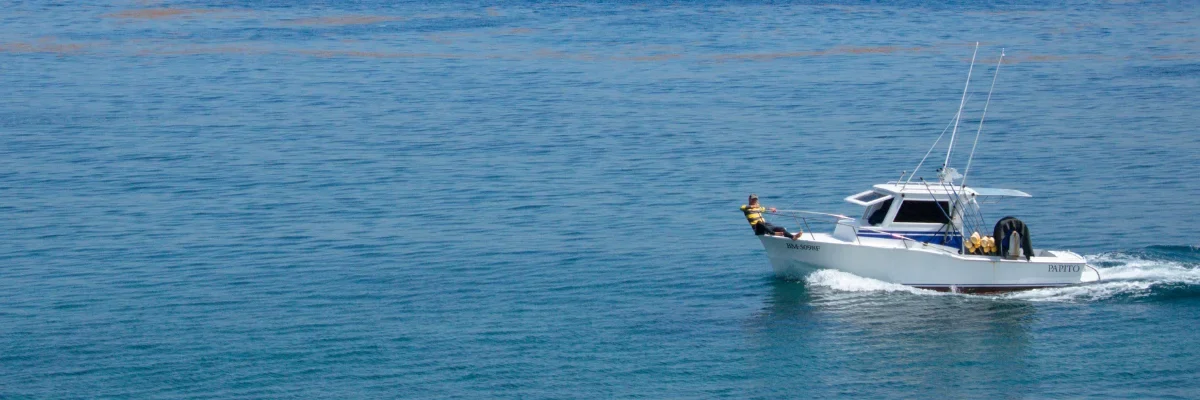
Offshore excursions usually last around four hours, which is enough time to reach the most active waters and attempt several catches. Specialist companies organise these trips with direct pick-up from the hotel, which makes the logistics much easier and allows anglers to focus entirely on enjoying the sea.
At the end of the outing, many of these excursions — especially those departing from Playa Bávaro — offer the possibility of cooking and tasting the day’s catch. It is a memorable way to end the activity, turning a sporting challenge into an excellent dinner by the sea.
The best season and standout fishing areas
Although fishing in Punta Cana is possible all year round, the peak season runs from March to September. During these months, migratory species such as marlin move to waters between two and ten miles off the coast, reducing travel times and increasing the chances of success.
Areas such as Cabeza de Toro and Cap Cana are particularly well known for their services and fishing infrastructure. In these places, a strong catch-and-release culture is encouraged for species not intended for consumption, helping to preserve the Dominican marine ecosystem for future generations.
The angler’s calendar: what to look for each month
To plan a successful trip, it helps to understand that the waters around Punta Cana change with the seasons. Biodiversity remains constant, but the arrival of warmer currents and shifts in the wind determine which species are most prominent at different times of the year.
- March to July (the season of the big challenges): This is the prime period for marlin fishing in Punta Cana. White marlin appear in spring, followed by the imposing blue marlin in the summer months. These are the months of major tournaments and peak adrenaline offshore.
- August to December (the arrival of the dolphinfish): In the final stretch of the year, mahi-mahi becomes the most prominent catch. It is an excellent time for anglers looking for active, visually exciting fishing with fish that fight hard.
- January to March (speed and technique): The winter months are ideal for sailfish, known for their speed and elegance. It is a perfect season for more technical fishing without the intense heat of the Dominican summer.
- Resident species (reliable catches all year): No matter when you decide to fish in Punta Cana, species such as tuna, barracuda and mackerel are always present. Their consistent behaviour means that any outing can still be productive regardless of the migratory calendar.
This seasonal rhythm allows anglers to choose their target species according to the month of their visit, ensuring that the Caribbean always has a new challenge waiting beneath the surface.
Practical tips for anglers
To enjoy a fishing trip in Punta Cana without unnecessary surprises, it helps to keep a few practical points in mind:
- Confirm what the service includes: Check whether the package covers food, drinks and, above all, high-factor sunscreen. Sunlight reflecting off the water for four hours can be extremely intense.
- Read the conditions around you: Experienced anglers pay close attention to the sea. Fish activity is often more likely where wave movement creates foam, as this can indicate the presence of feeding schools.
- Check water clarity: Clarity matters. Clear water generally makes conditions easier, while murkier water can suggest recent storms, which often push fish away from the surface.
Staying in a comfortable and well-connected setting is essential if you are planning several days at sea. The Lopesan Hotel Group resorts in Playa Bávaro provide the ideal place to rest after a physically demanding day on the water:
- Lopesan Costa Bávaro Resort, Spa & Casino: Its seafront location makes fishing trips and other nautical activities especially easy to organise.
- Lopesan Caoba Lagoon: A modern resort where lagoon-style pools and artificial cenotes create an atmosphere of complete relaxation after the adrenaline.
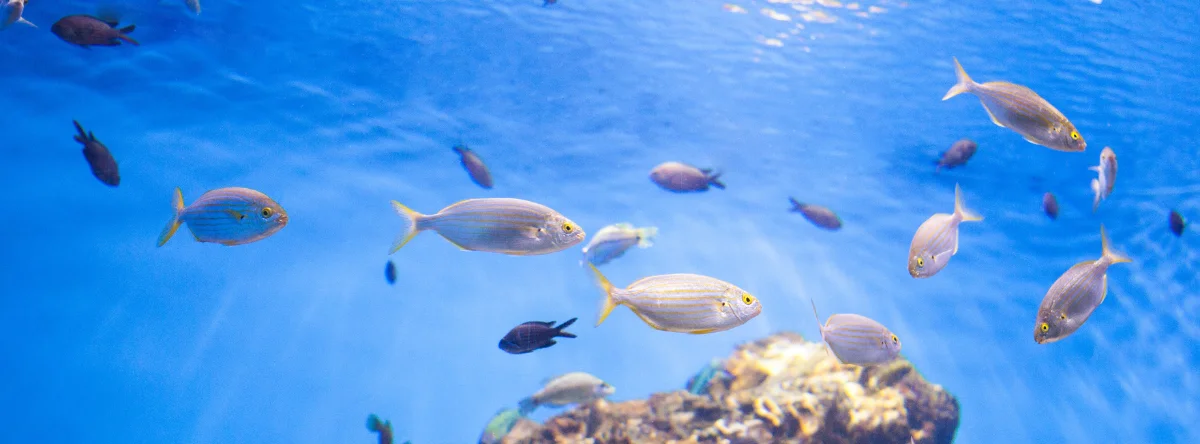
- Serenity Bay: The preferred option for adults looking for exclusive service and a more tranquil atmosphere. Its private Beach Club, just a few steps from Playa Bibijagua, keeps Bávaro’s seafaring atmosphere close at hand after a fishing trip. In this area of shallow waters, glassfish and other marine species can be observed.
- Splash Cove: Designed for families, with facilities including a wave pool and the AQUATICA water park, as well as water-based activities centred on shared fun.
After a day on the water, all that remains is to rest and enjoy your catch in an exceptional setting.