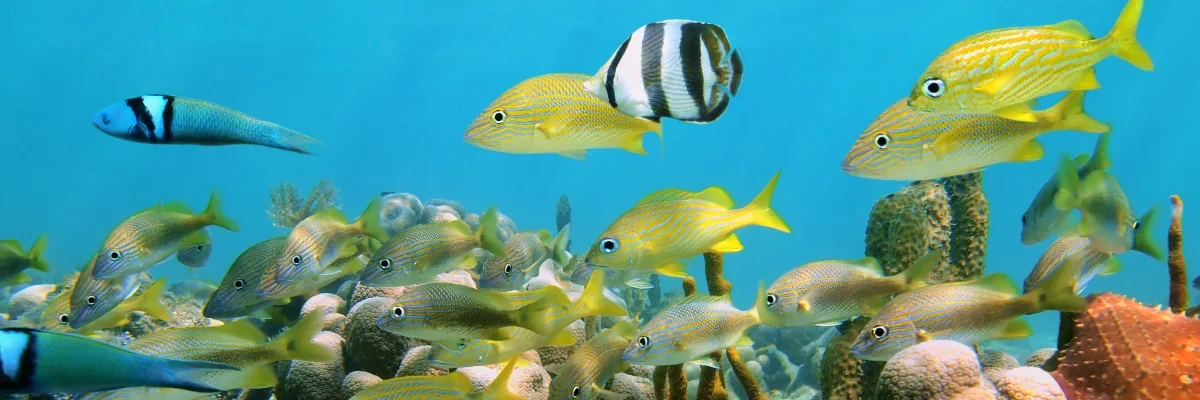
Travelling to the Dominican Republic means enjoying a myriad of charms and attractions that escape the everyday. Everything is different there: the sea, the sun, the gastronomy, the culture and the people! Once in the Dominican Republic, the disconnect is total. You return home feeling twice as rested, because a change of scenery is incredibly stimulating and renewing.
Among the many passions that attract tourists to the Dominican Republic, the sea and its fascinating life are at the top of the list. The fauna of the Dominican Republic offers experiences that are hard to find in other parts of the world, arousing curiosity and stimulating tourist activity. In this article, we invite you to discover some of the wonders of the Dominican Republic’s marine fauna, so that you know what to expect on your next adventure through these extraordinary lands (and waters).
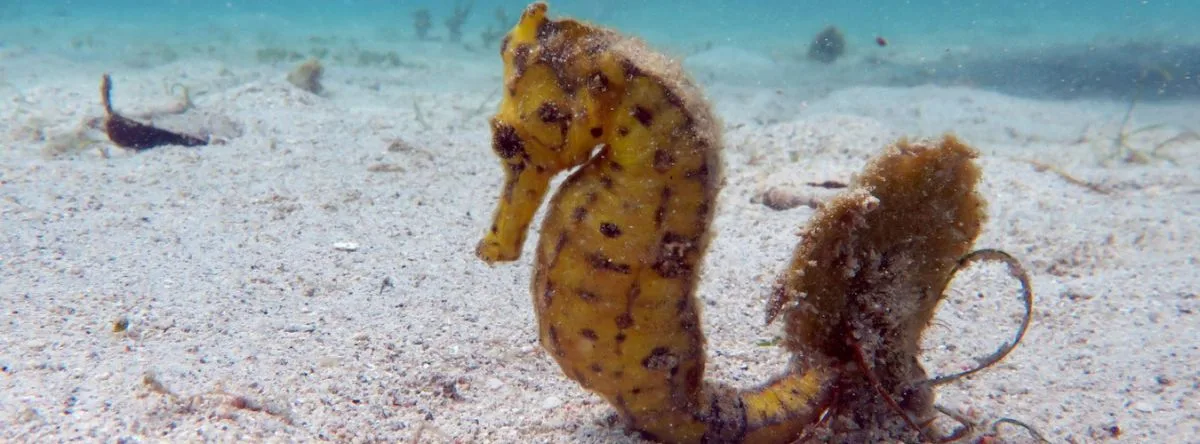
Seahorses
Seahorses are one of the most endearing inhabitants of the sea. Several species of these fascinating animals can be found along the coasts of the Dominican Republic, especially in the reefs and seagrass beds. Seahorses are characterised by their unique shape and their ability to camouflage themselves to avoid predators. These small fish are also known for their curious reproductive system, in which the male carries the eggs in a special pouch until the young are born.
Guanábana fish
The guanábana fish, scientifically known as Lactophrys triqueter, is another interesting inhabitant of Dominican reefs. With its spiky body and ability to swell as a defence mechanism, this fish closely resembles the guanabana fruit, hence its name. Despite its intimidating appearance, the soursop is generally harmless to humans and feeds mainly on small marine invertebrates.
Moray eels
Moray eels usually live in the crevices and caves of reefs. With their elongated bodies and powerful jaws, these fish look intimidating, but in reality they are shy animals that prefer to stay away from divers. Several species of moray eels can be found in the waters of the Dominican Republic, such as the green moray and the spotted moray. Although they are mainly carnivorous, moray eels play an important role in the marine ecosystem, helping to maintain the balance of populations of other species.
Spiny lobsters
Spiny lobsters, also known as Caribbean lobsters, are large crustaceans that inhabit the coral reefs and rocky areas of the Dominican Republic. Unlike lobsters found in colder waters, spiny lobsters do not have large claws, but have long, strong antennae with which to defend themselves. They are nocturnal, hiding during the day and coming out at night to feed on molluscs, small fish and other invertebrates. They are a delicacy in the local gastronomy, but their fishing is regulated to ensure the sustainability of the species.
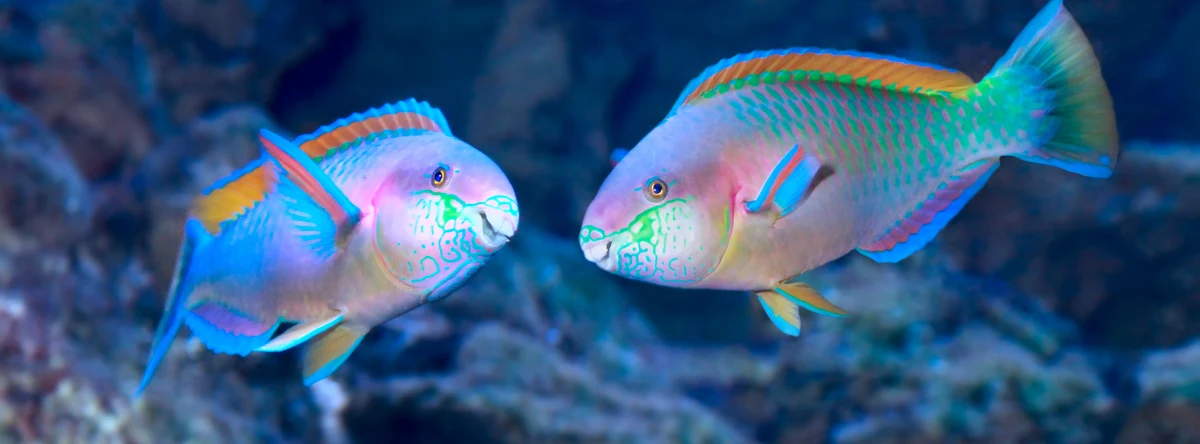
Parrotfish
Parrotfish are known for their bright colors and their peculiar way of feeding. They use their teeth, which form a structure resembling a parrot’s beak, to scrape corals and extract the algae on which they feed. This behavior is not only fascinating, but also plays a vital role in the health of coral reefs, as it helps prevent the overgrowth of algae that could smother corals.
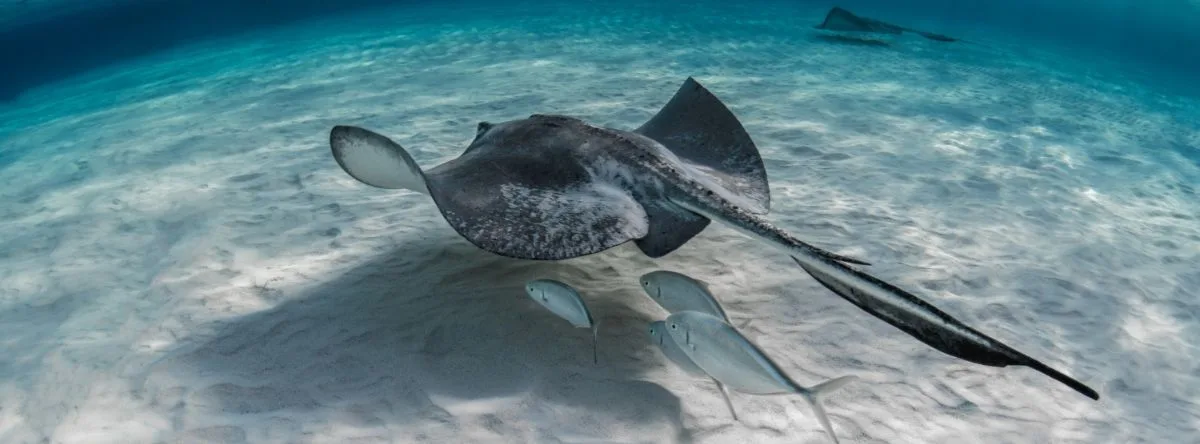
Manta Ray
Manta rays are impressive creatures, their flat bodies gliding through the water with great elegance. In the Dominican Republic it is possible to see manta rays in various coastal areas, especially in places like Isla Saona and Samana. Although their size can be intimidating, mantas are generally harmless to humans and are more curious than aggressive. They are filter feeders and feed mainly on plankton, making them an essential part of the marine food chain.
Trumpet fish
The trumpet fish is a reef dweller with a long, slender body and a tubular snout. Its peculiar shape allows it to move between coral and seaweed in search of prey, mainly small fish and crustaceans. This fish is a master of camouflage and can change colour to blend in with its surroundings, helping it to go unnoticed by both predators and prey.
Lionfish
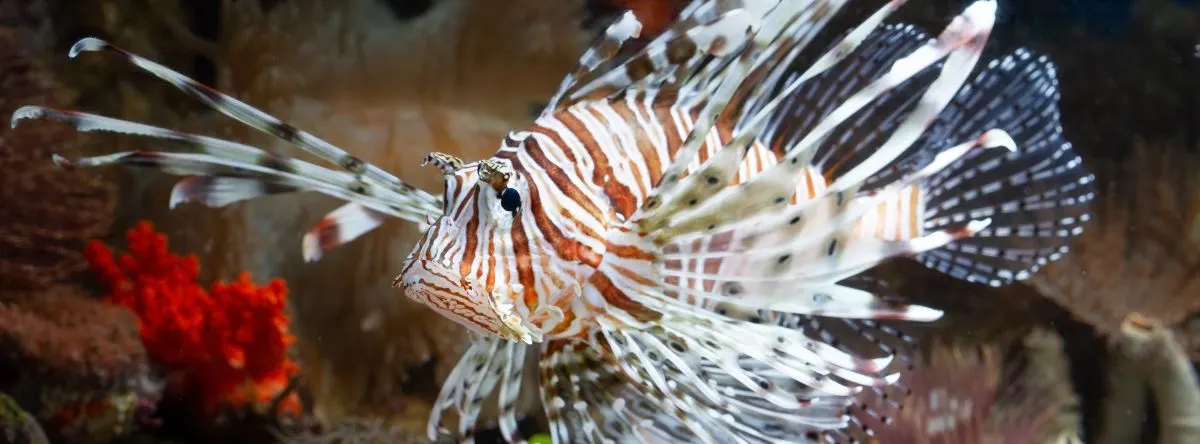
The Lionfish is an invasive species that has increased its presence in Caribbean waters over the last few decades. Originally from the Indo-Pacific, this fish has established itself on the reefs of the Dominican Republic and is having a negative impact on local species due to its voracious appetite and lack of natural predators. Despite its beauty, the lionfish poses a challenge to marine conservation in the region and measures are being taken to control its population.
Cat shark
The cat shark is a small, nocturnal species that lives in the depths of coral reefs. These sharks are known for their ability to curl up like a cat when resting, hence their name. Although their name may make them seem dangerous, cat sharks are harmless to humans and play an important role in the marine ecosystem by controlling fish and other invertebrate populations.
Starfish
Starfish are fascinating creatures found in great abundance along the Dominican coastline. With their radial arms, starfish are not only a visual spectacle but also play a crucial role in the balance of marine ecosystems, helping to control populations of molluscs and other small invertebrates. The most common species in the Dominican Republic include the red starfish and the cushion starfish, both of which are common in reef areas and coastal lagoons.
Hawksbill turtle
The hawksbill turtle is one of the most emblematic and endangered sea turtle species in the world. These turtles are found in the tropical waters of the Dominican Republic, where they nest on beaches and feed on sponges and other invertebrates on reefs. Due to poaching and habitat loss, hawksbill turtles are under protection, and several local and international initiatives are working to ensure their survival.
West Indian manatee
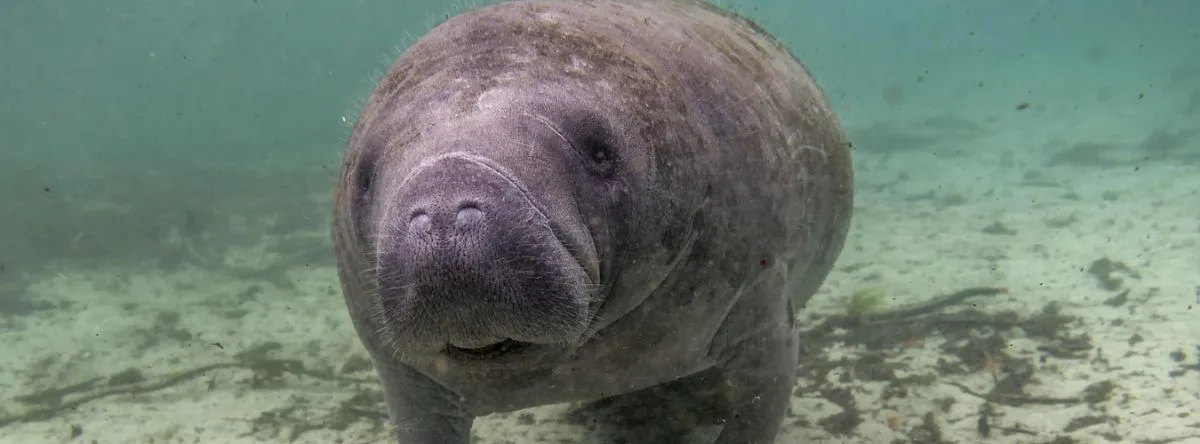
The West Indian manatee, locally known as the “sea cow”, is one of the largest and most majestic mammals in the Caribbean. In the Dominican Republic, these marine herbivores can be found in areas such as Los Haitises National Park. The manatee feeds on seaweed and algae and is known for its calm behaviour and slowness. However, it is threatened with extinction due to hunting, habitat destruction and collisions with boats.
Hermit crabs (Paguroidea)
Hermit crabs are small creatures found on the beaches and reefs of the Dominican Republic. These crabs are known for using empty shells to protect their soft bodies and molting into larger shells as they grow. They are omnivorous and play an important role in the ecosystem as scavengers, helping to keep beaches and reefs clean. In addition, their unique behaviour and appearance make them one of the most friendly marine species observed by tourists.
The marine wildlife of the Dominican Republic is a natural treasure that offers unique and fascinating experiences to those who come to discover it. To complement this adventure, at Lopesan Hotel Group we invite you to enjoy an unforgettable stay at the hotels of the Lopesan Costa Bávaro complex, located in Playa Bávaro, Punta Cana.
Discover Lopesan Costa Bávaro Resort, Spa & Casino, a spectacular beachfront resort on the Caribbean Sea with a wide range of dining, leisure, and entertainment options; relax at Lopesan Costa Bávaro Caoba Lagoon, ideal for those seeking tranquility surrounded by lush tropical gardens; enjoy a family stay at Lopesan Costa Bávaro Splash Cove, perfect thanks to its leisure spaces and water areas; or experience an exclusive adults-only stay at Lopesan Costa Bávaro Serenity Bay, designed for guests who want to relax in a sophisticated Caribbean setting.
The best experience of comfort, relaxation, and nature in the Dominican Republic awaits you at Lopesan.