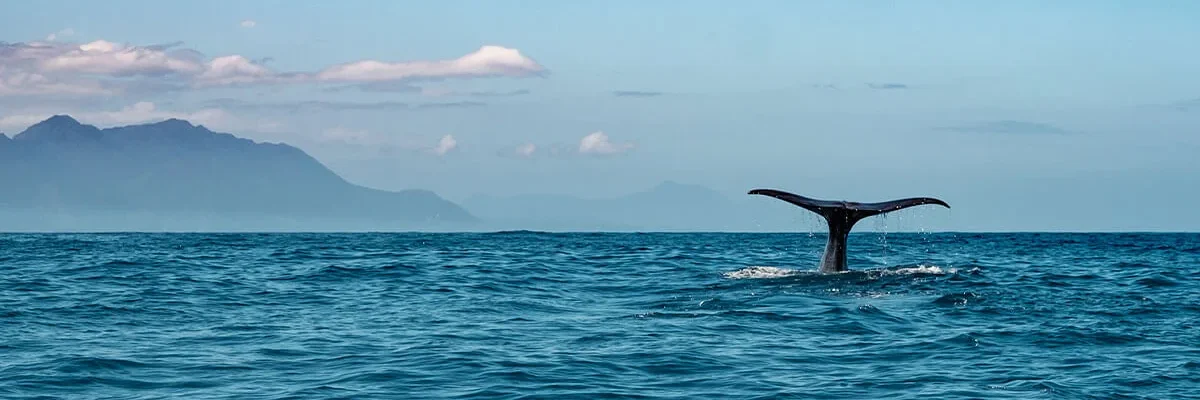
Punta Cana is best known for its paradisiacal beaches, but few realise it’s also one of the Caribbean’s best places to see humpback whales. Every year, thousands of these majestic creatures migrate from the icy waters of the North Atlantic to the warm Caribbean to mate and give birth. If you’re travelling during the winter months, this is one experience you simply can’t miss.
The best places to spot whales in the Dominican Republic
Samaná Bay: a marine sanctuary
Located in the northeast of the Dominican Republic, Samaná Bay is the heart of the country’s whale-watching scene. This protected area of over 50,000 km² is home to the Humpback Whale Sanctuary, where you can also spot dolphins, orcas and manatees. Each year, between 1,500 and 2,000 humpback whales arrive in the bay between November and April, although the best time to see them is from January to March, with peak activity in February. You can enjoy this natural spectacle either on a four-hour boat trip or from the Land Whale Observatory, where you can admire them without setting sail.
Silver Bank: the cradle of the whales
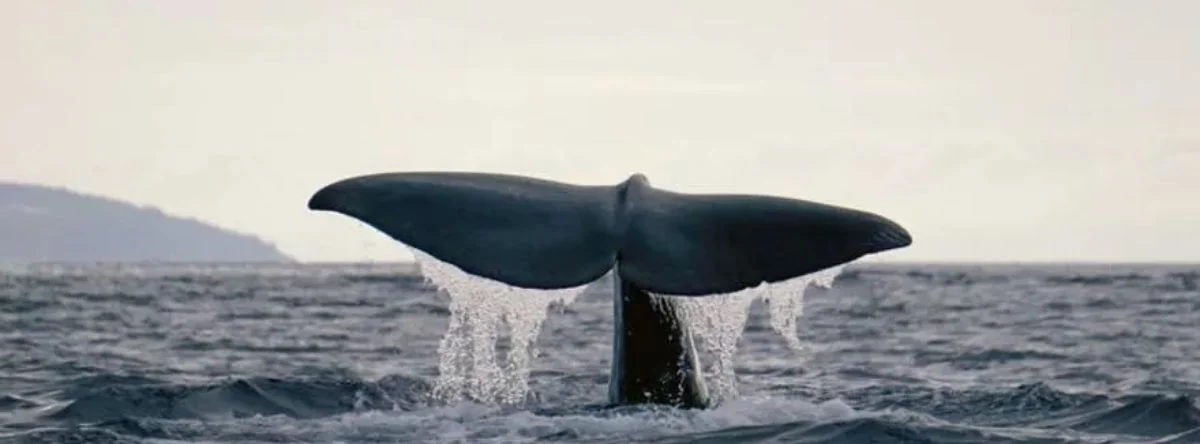
Eighty nautical miles off the north coast lies the Silver Bank, a coral platform that forms part of a vast system of marine banks. This sanctuary is vital for humpback whale conservation, as around 85% of the Atlantic population is born here.
An estimated 2,500 to 3,000 whales visit the bank each year to reproduce in calm waters before returning to the North Atlantic with their calves. Regulated excursions authorised by the Dominican government allow visitors to observe these giants of the sea without disturbing their habitat – and even to snorkel in the surrounding crystal-clear waters.
Cotubanamá National Park
Located in the southeast of the country, Cotubanamá National Park (formerly Parque Nacional del Este) is a 430 km² natural reserve boasting extraordinary biodiversity. Its waters are home to manatees, dolphins and whales, along with more than 500 species of plants and 300 types of birds.
What makes this park unique is how its natural beauty blends with history. It contains caves with pre-Columbian rock art, depicting symbols created by the island’s early inhabitants over 500 years ago.
For a more complete experience, several tours offer:
- Land and sea transport to the best whale-watching spots.
- Diving among coral reefs and discovering marine flora.
- Guided walks through caves decorated with ancient rock carvings.
Saona Island: a Caribbean paradise for whale watching
Just 30 kilometres from Punta Cana, Saona Island is another must-visit destination for whale watching amid postcard-perfect scenery. With its white sands, turquoise waters and abundant wildlife, this island—part of Cotubanamá National Park—is a haven for nature lovers.
In addition to whales, you may also spot:
- Atlantic spotted dolphins.
- Brown pelicans along the coast.
- Sea turtles nesting on the beaches.
Whale-watching tours here typically include:
- A boat trip with expert cetacean guides.
- Educational talks on whale behaviour.
- The chance to listen to the haunting songs of male humpbacks, which can last over ten minutes.
The song and migration of the humpback whale
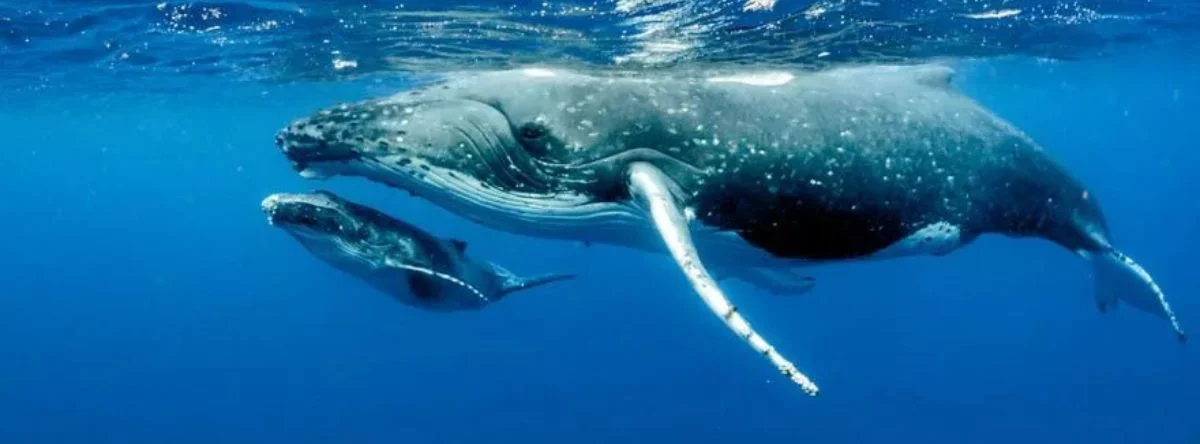
Humpback whales, also known as yubartas, are fascinating creatures that can reach up to 15 metres in length. Their annual migration takes them from Greenland, Iceland and North America to the warm Caribbean, where they breed and raise their young.
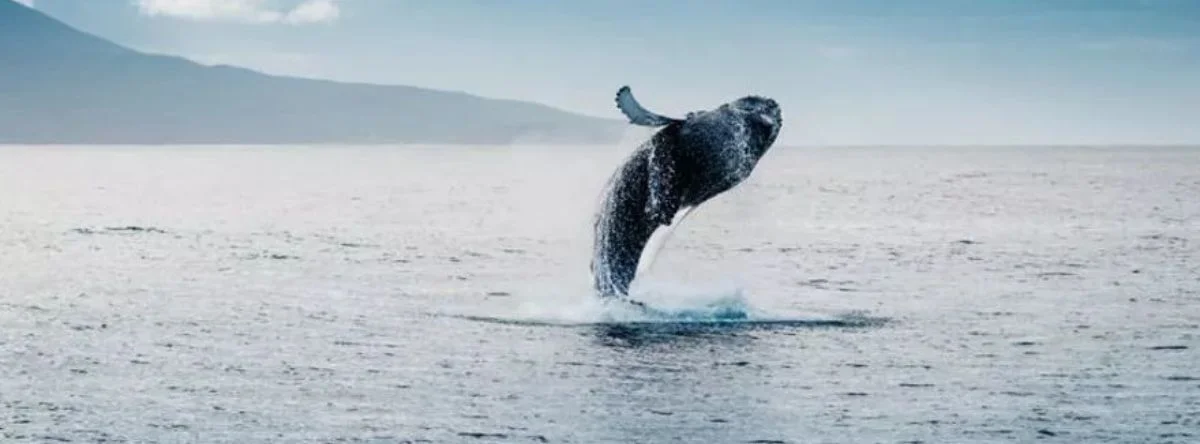
One of their most mesmerising behaviours is their song, produced through their nasal cavity. Males use these complex vocalisations to attract females, sometimes singing for over ten minutes. During whale-watching tours, you can often hear these haunting sounds while watching the whales breach and slap their tails in spectacular displays.
When is whale-watching season?
Whale-watching season runs from January to the end of March. During this period, the Dominican Republic welcomes around 5,000 humpback whales that make the bay their temporary home. Samaná is the main breeding and calving ground, attracting more whales than anywhere else in the Caribbean.
Its calm, crystal-clear waters—protected from waves and wind by the reef—provide the perfect setting for reproduction. Watching these majestic creatures, up to 15 metres long, as they leap and splash against a turquoise backdrop is a breathtaking experience shared by around 30,000 visitors each year.
Conservation and sustainable tourism
Humpback whales were once heavily hunted, and their population declined by 90% before whaling was banned in 1966. Today, whale-watching is carefully regulated to ensure the sustainability of tourism and the protection of marine habitats.
In 2020, the Dominican Republic launched the “Whale Whisperer” initiative, a social media campaign aimed at raising awareness among tourists about the importance of conserving whales and their ecosystem.
Where to stay for the best whale-watching experience
From Lopesan Hotels, you can book organized whale-watching excursions, one of the most exciting natural experiences the Dominican Republic has to offer. During the season, you will have the opportunity to observe majestic humpback whales up close in their natural habitat—an unforgettable spectacle that turns any trip to Punta Cana into a lasting memory.
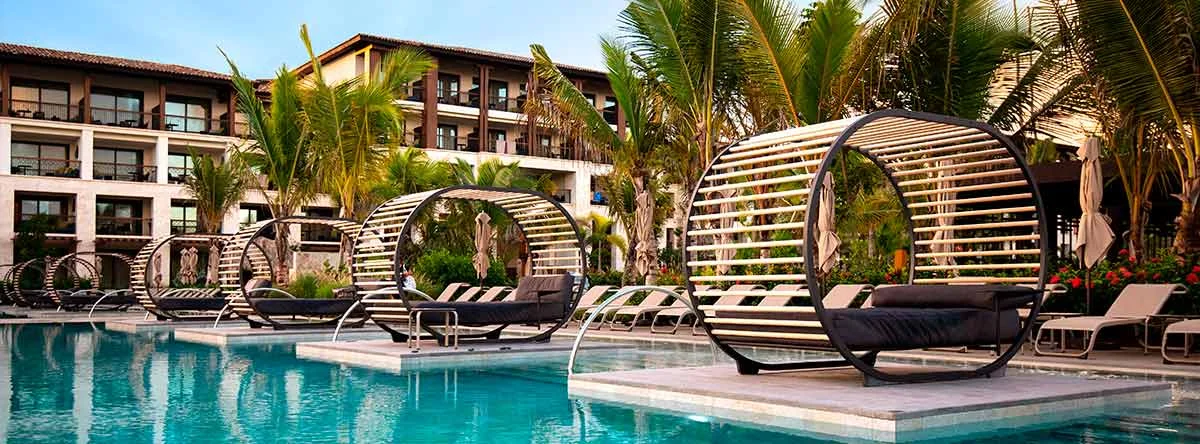
In addition, staying at a Lopesan resort allows you to tailor the experience to your travel style: from the comfort and comprehensive offerings of Lopesan Costa Bávaro Resort, Spa & Casino, to the contemporary atmosphere of Lopesan Caoba Lagoon Resort, Spa & Casino, the tranquility of the exclusive adults-only setting at Lopesan Serenity Bay Resort, Spa & Casino, or unlimited family fun at Lopesan Splash Cove Resort, Spa & Casino.
Book your stay now and get ready to experience Punta Cana from a unique perspective, combining nature, excitement, and the signature comfort of Lopesan.