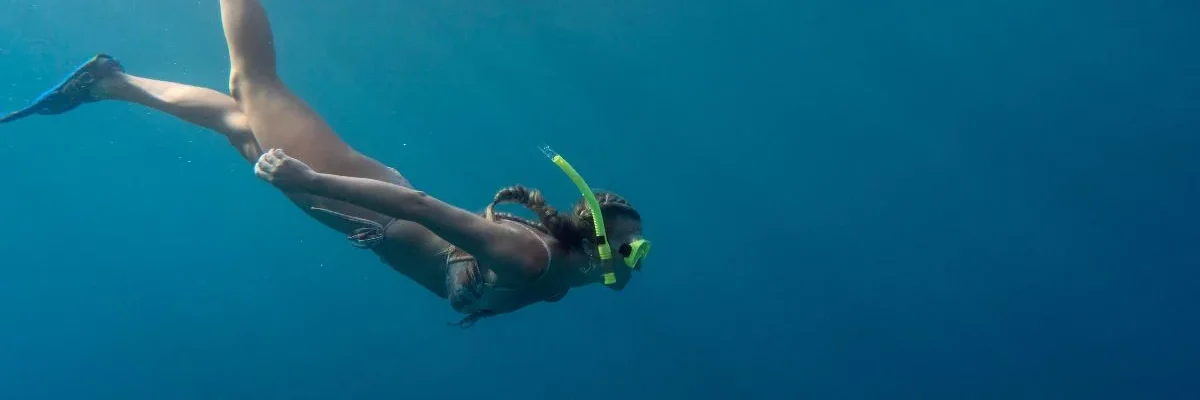
Punta Cana is world-renowned for its crystal-clear waters and postcard-perfect beaches. While it’s ideal for a relaxing Caribbean getaway, it’s also a dream destination for diving enthusiasts. Whether you’re curious to try scuba diving for the first time or already passionate about exploring marine life, the underwater landscapes of this part of the Dominican Republic will not disappoint. Let’s dive in.
The best places to go diving in Punta Cana
Igneri Caribe Taíno Underwater Museum
One of the most unique and captivating diving sites in Punta Cana is the Igneri Caribe Taíno Underwater Museum, founded in 1995. This underwater attraction features 22 sculptures representing Taíno figures, created by Dominican artist Thimo Pimentel.
To enhance its appeal and turn it into a combined snorkelling and diving spot, an artificial reef was developed around the sculptures, introducing coral species to encourage marine life.
The sculptures lie just three to four metres below the surface, making this an ideal site for beginners and those new to scuba diving in Punta Cana.
Catalina Island – the best place to dive in Punta Cana
Off the coast near La Romana lies one of the Caribbean’s true diving paradises.
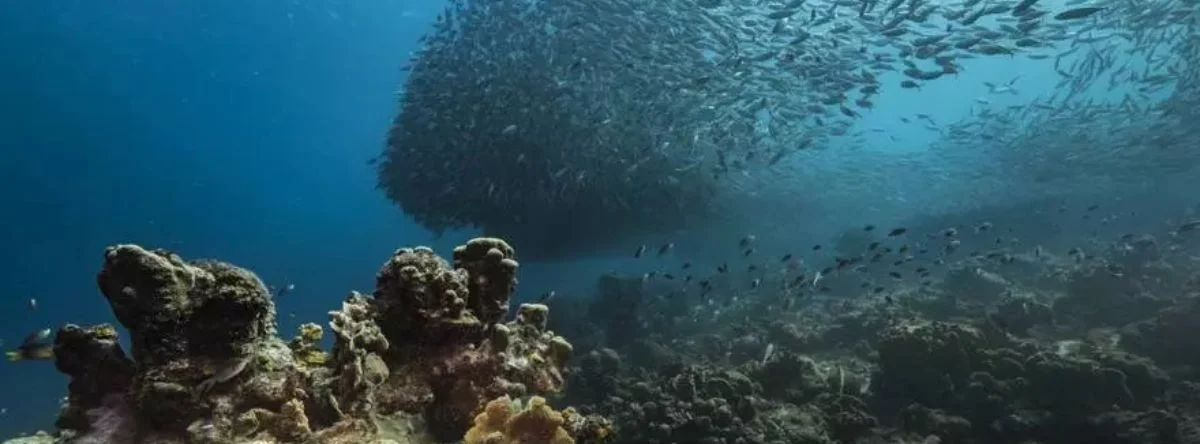
With white sand beaches and turquoise waters, Catalina Island is one of the region’s most stunning natural treasures. Covering less than 10 square kilometres, it has been declared a protected natural park to help preserve its rich and diverse marine ecosystem.
Divers here can enjoy vibrant coral gardens and a variety of Caribbean fish species. The two most renowned sites are The Wall and The Aquarium. The Wall, a vertical drop plunging to around 100 metres, thrills experienced divers, while The Aquarium is a coral reef teeming with marine life and colour.
El Peñón – coral and sponge formations
Like the other sites on this list, El Peñón is excellent for both diving and snorkelling. It’s shared by those who want to explore the depths and those who prefer to admire marine life from above.
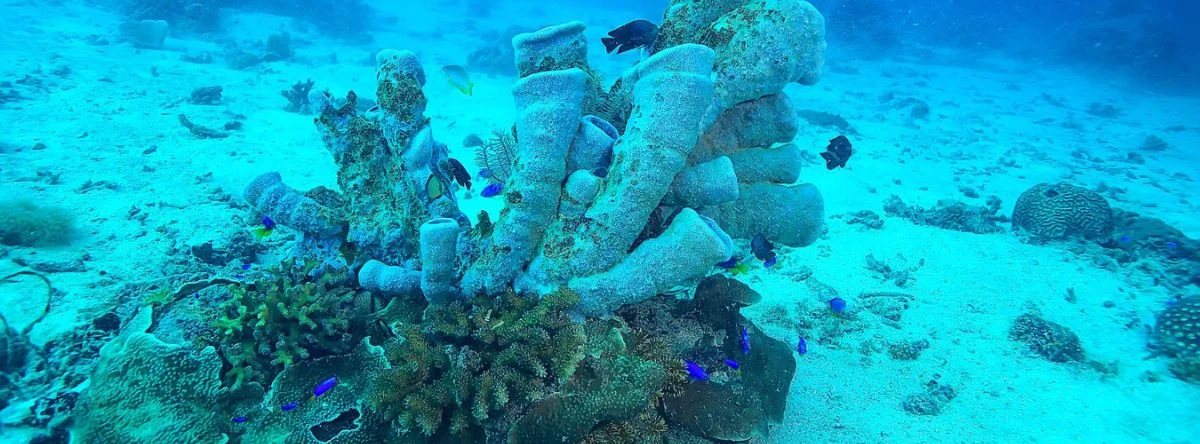
Also known as the Peñón Caves, this spot lies about 25 minutes by boat from Bayahibe. The reef ranges in depth from 12 to 28 metres, making it one of Punta Cana’s best diving locations for all experience levels.Underwater, you’ll find coral gardens, turtles, sharks, rays and countless species of colourful fish – a vibrant spectacle that’s sure to stay with you.
La Caleta – reef diving near Santo Domingo
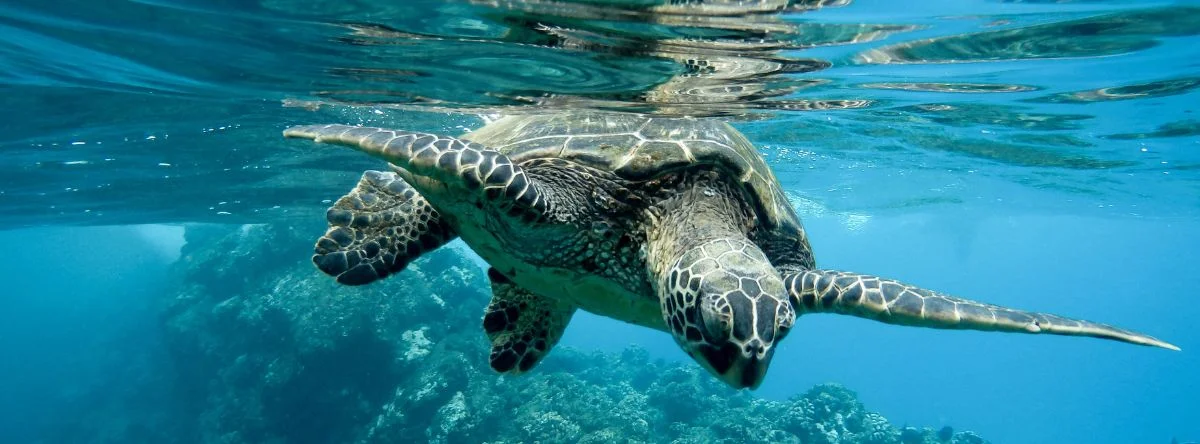
La Caleta Underwater National Park, located near Santo Domingo, is a true paradise of turquoise, crystal-clear waters. If the views from above are breathtaking, what lies below the surface is even more impressive.
Covering 10 square kilometres, from Cueva de las Golondrinas to Punta Caucedo, this national park is perfect for experienced divers yet also accessible to beginners. Depths range from 6 to 180 metres, with marine life including octopuses, rays, turtles, fish and corals.
Saona Island – diving in its purest form
Saona Island is one of the Caribbean’s most iconic destinations – and for good reason. Its white-sand beaches, turquoise waters, palm trees and untouched nature make it the very definition of paradise. What many don’t know is that it’s also an exceptional place for diving.
There are options and lessons for all skill levels, so anyone keen to explore Saona’s marine life can do so. Beneath its turquoise surface, you’ll spot giant starfish, colourful corals and countless tropical fish.
Río San Juan and Las Galeras
Located on the north coast, where the Caribbean meets the Atlantic, these areas offer a different kind of diving experience – cooler waters, slightly reduced visibility, but extraordinary rock formations. Río San Juan is home to Las Siete Galeras and El Cañón del Cangrejo, while from Las Galeras you can access Cabo Cabrón, an underwater gem brimming with life.
Wreck diving
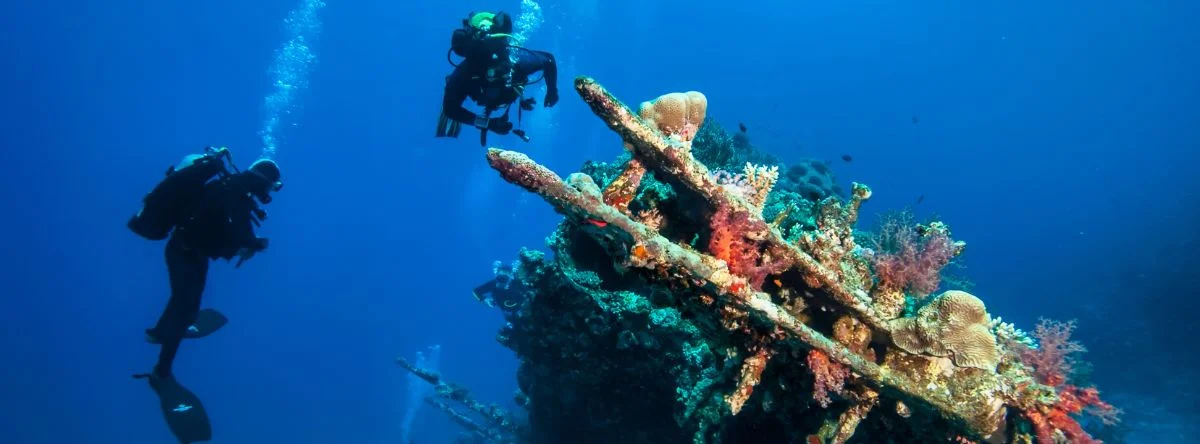
Wreck diving – exploring shipwrecks and other submerged structures – is one of the most thrilling branches of recreational diving. These sites may include ships, planes or platforms that have settled on the seabed over time.
If you’re drawn to this kind of diving, La Caleta is the place to go. The park contains several wrecks, including El Limón and Capitán Alsina (around 30 metres deep) and Don Quico (58 metres deep). The Hickory wreck, at 18 metres, is particularly well known – it was intentionally sunk in 1984 by a team of marine researchers to create an artificial reef and encourage marine biodiversity.
Tips for diving in Punta Cana
Whether it’s your first dive or you’re already an experienced diver, exploring Punta Cana’s underwater world is an unforgettable adventure. But as with any great experience, preparation is key. Here are a few recommendations to make your dive safe and memorable:
1. Always dive with a certified centre
- Choose schools or instructors accredited by recognised organisations such as PADI or SSI.
- If you’re unsure who to turn to, request information at Lopesan Caoba Lagoon, Lopesan Serenity Bay, Lopesan Splash Cove, or Lopesan Costa Bávaro Resort, Spa & Casino and receive the best guidance to include scuba diving in Punta Cana on your activity list. If you need further information, don’t hesitate to contact us.
2. Choose your dive site according to your level
- Sites like The Aquarium or the Igneri Caribe Taíno Underwater Museum are perfect for beginners.
- More experienced divers can head to El Muro at Catalina Island or the wrecks at La Caleta for greater depth and challenge.
3. Plan according to the season
- From January to April, sea conditions are at their best: greater visibility, calmer waters and minimal swell.
- During the rainy months (May to October), short tropical storms can occur, so check the forecast before diving.
4. Don’t dive on your first or last day
- On the first day, your body is still adjusting to travel and hydration.
- Avoid diving right before your flight, as pressure changes can increase the risk of decompression sickness.
5. Protect your skin and the ecosystem
- Use biodegradable sunscreen, especially when diving near live reefs.
- Avoid touching corals or disturbing marine life – Punta Cana’s beauty lies in its natural balance.
6. Respect your physical limits
- If you’re unwell or congested, postpone your dive.
- Get plenty of rest, stay hydrated and avoid alcohol before diving.
7. Capture the moment – responsibly
- If you bring an underwater camera, make sure it’s properly sealed before diving.
- And remember: the best underwater photos are those that don’t disturb the reef’s true residents.
Diving vs snorkelling in Punta Cana – two ways to explore paradise beneath the waves
Among the many water activities along the Caribbean coast, diving and snorkelling stand out as some of the most captivating. Both reveal a mesmerising underwater world filled with tropical fish, coral reefs and marine landscapes that seem painted by nature itself – must-try experiences for anyone visiting Punta Cana.
Though often confused, each offers a different way to experience the sea. Understanding their differences will help you choose the one that best matches your travel style.
Diving in Punta Cana
Scuba diving involves descending several metres below the surface using specialised equipment. There are two main types:
- Free diving (apnoea): practised without oxygen tanks, relying on breath-holding and physical control.
- Scuba diving: uses full equipment, including a mask, wetsuit, air tank, regulators and a buoyancy vest.
Thanks to certified instructors and beginner courses, scuba diving is accessible even to newcomers. Recreational dives typically reach depths of up to 30 or 40 metres – more than enough to explore coral reefs, underwater caves and historic wrecks.
Snorkelling in Punta Cana
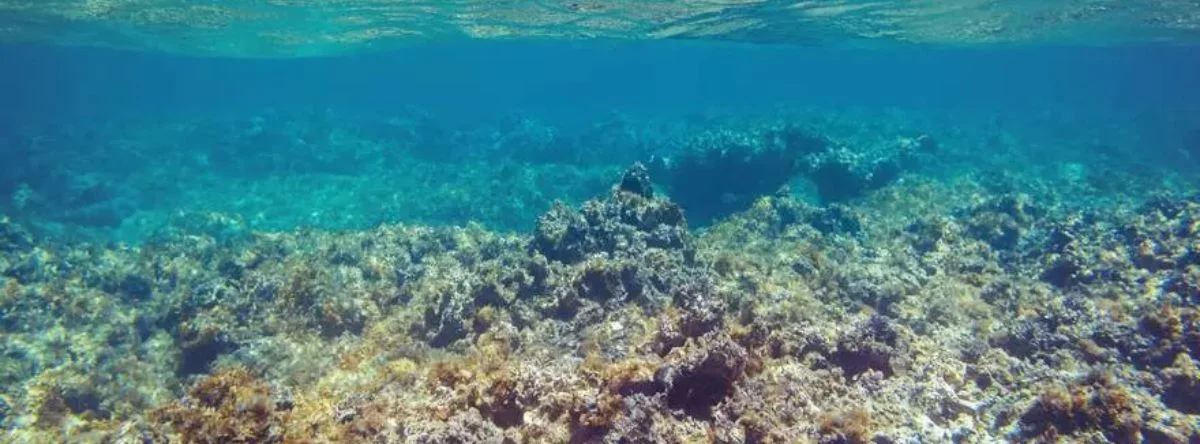
Snorkelling is perfect for those seeking a simpler yet equally enchanting experience. Practised on the water’s surface using a mask and snorkel (and sometimes fins), it requires no deep dives or prior training.
Despite its simplicity, snorkelling provides a front-row view of Punta Cana’s underwater wonders – coral gardens, schools of colourful fish and starfish – often just a few metres from the shore or from a boat excursion.
Which should you choose?
The main difference lies in depth and technical skill:
- Diving lets you explore deeper, less accessible underwater settings – perfect for those seeking adventure.
- Snorkelling offers a relaxed, family-friendly experience with minimal equipment and no training required.
Both are complementary and can be enjoyed at different points in your trip.
Punta Cana offers endless opportunities for diving. You can try one or two of the sites we’ve mentioned, or dedicate most of your holiday to exploring them all. One thing’s certain: the reefs and underwater landscapes you’ll encounter will stay with you forever.
Swimming among coral reefs and tropical fish in turquoise waters is like living a dream. Now that you know the best places to dive in Punta Cana, it’s time to plan your itinerary and dive right in!