Fuerteventura is famous for long sweeps of sand, pale Atlantic light and volcanic scenery, but some of its most rewarding coastal spots sit well away from the usual beach routes. Las Playitas, Corralejo, Costa Calma and Jandía appear on most island itineraries. Other stretches of coast are quieter, harder to reach and better suited to travellers who do not mind taking things slowly.
This guide looks at hidden beaches in Fuerteventura with a more natural setting, less obvious access or a noticeably quieter feel. It also includes a few small coves and coastal corners for days when the island’s better-known beaches feel too busy.
Before setting off, bear one thing in mind: many of these places are on exposed Atlantic coastline, with strong surf, wind and dirt tracks. Check the sea conditions, take water, wear suitable footwear and do not swim unless the conditions are clearly safe.
Best hidden beaches in Fuerteventura
The best hidden beaches in Fuerteventura are often harder to reach than the main tourist beaches. That is part of the appeal, but it also means they need a little more planning. Some are ideal for walking, photography or a quiet stop by the sea. Others are beautiful to look at, but not suitable for an easy swim.
Playa Agua Liques
Playa Agua Liques lies on the windward coast, in a fairly isolated part of southern Fuerteventura. Most routes start in Costa Calma before heading towards this wilder stretch of the Majorero coastline. The final section follows dirt tracks, so check the access road before you go and allow plenty of time.
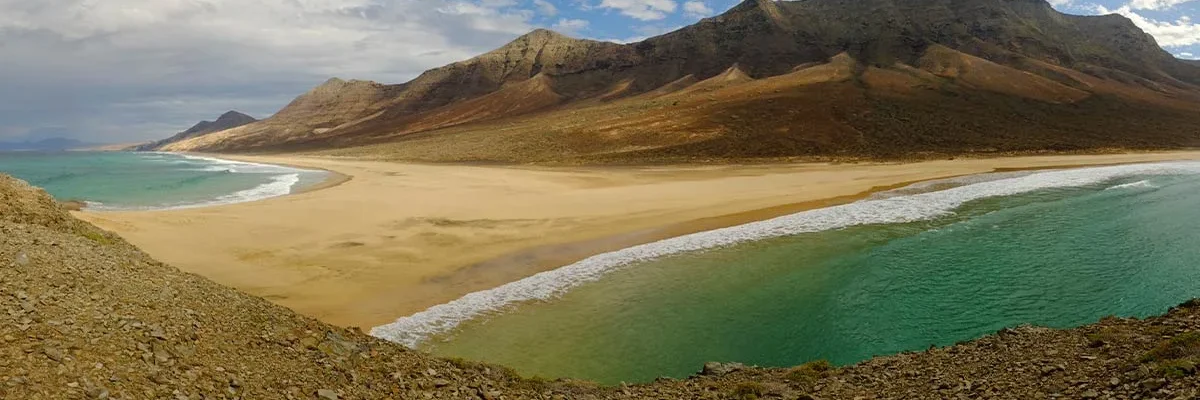
The setting feels wide, dry and unmistakably Fuerteventura. Sand, wind and bare land give the beach an almost untouched quality, with little to distract from the landscape.
Swimming here depends entirely on the sea. This part of the windward coast can have strong waves and currents, so Playa Agua Liques is better for walking, taking in the scenery and seeing the island at its wildest than for a quick dip.
Playa de la Solapa
Playa de la Solapa is in the municipality of Pájara, on Fuerteventura’s west coast. Access is via the FV-617 towards La Pared, with a turn-off towards La Solapa and Garcey.
The beach combines golden sand, darker volcanic tones and open coastal scenery. It is usually much quieter than the island’s easier-to-reach beaches, which makes it a good choice for a calmer, less developed stretch of coast.
As with many beaches on the west coast, the sea can be powerful. La Solapa should not be treated as a safe swimming beach; check the tide and surf before entering the water. Even so, its landscape makes it one of the most interesting hidden beaches in Fuerteventura for a coastal route.
Playa de Jarugo or Jarubio
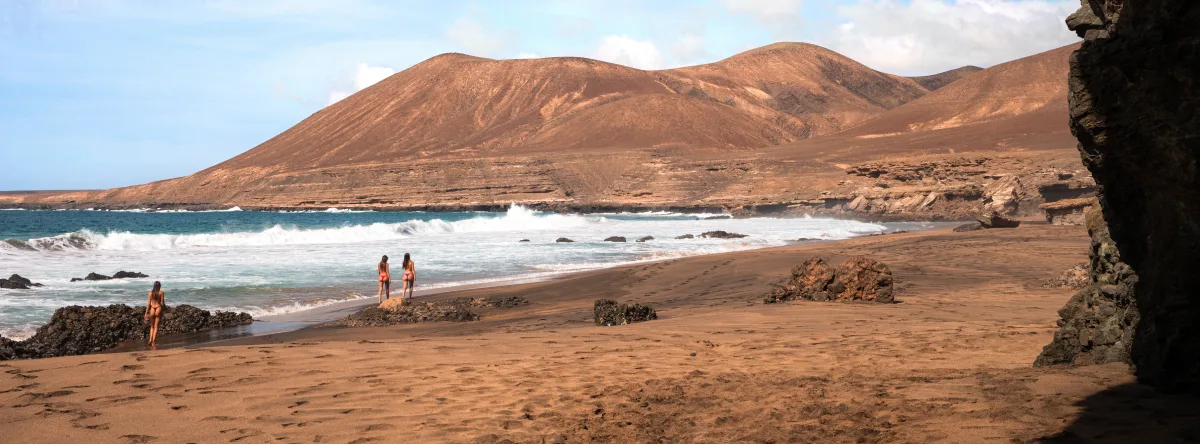
Near Montaña Tindaya lies Playa de Jarugo, also known as Jarubio. Access is by dirt track, so it is best to set off with time to spare and check the state of the road beforehand.
Jarugo is sheltered by cliffs, which gives it a very different feel from the island’s more open beaches. The cliffs make the beach feel enclosed and secluded, one of the reasons many visitors place it among the best hidden beaches in Fuerteventura.
The setting is highly photogenic, but the sea still calls for caution. The Atlantic is strong in this area, and there are no services nearby. Take everything you need and leave the surroundings as you find them: in natural places like this, visitor impact shows quickly.
Playa de Tebeto
Playa de Tebeto is in the municipality of La Oliva, relatively close to Jarugo. If the track is in good condition and the day is well organised, both beaches can be visited on the same route.
Tebeto takes its name from the nearby ravine and still has a distinctly natural feel. Access is not especially easy, which helps keep visitor numbers down. The landscape brings together cliffs, sand and open Atlantic coastline.
The surf is often strong, so this is not a beach for swimming without checking conditions first. Tebeto works better as a scenic stop: somewhere to walk carefully, take photographs and discover a less visited part of northern Fuerteventura.
Playa del Junquillo
Playa del Junquillo is in a more remote part of the municipality of Betancuria, beside the ravine of the same name. Access is by dirt track, so check the route before leaving.
Its volcanic sand and undeveloped surroundings make it a strong choice among Fuerteventura’s hidden beaches. It has a more local feel, appears less often on standard tourist routes and combines ravines, coastline and darker volcanic tones.
Nearby, Caletones Mansos and Peña de Agua Salada can also be added to a route through this part of the island. As with any isolated coastal area, take water, sun protection and comfortable footwear.
Hidden coves in Fuerteventura
Fuerteventura is best known for its long beaches, but the island also has smaller coves and inlets with a very different character. These hidden coves in Fuerteventura tend to feel more intimate, often framed by rock, cliffs or volcanic scenery.
Ensenada de Jacomar
Ensenada de Jacomar lies within the Cuchillos de Vigán Natural Monument, an area shaped by distinctive rock formations. The landscape is rugged, with rock, dark sand and a setting that feels far removed from the classic idea of a broad tourist beach.
Jacomar has a narrow strip of black sand, rounded stones and waters that can be rough. For that reason, it is more commonly used for shore fishing than for swimming. Take your time if you visit, and avoid going into the water when the sea is strong.
It is a good stop for seeing a different side of the Majorero coastline and adding a cove with real character to your route.
Cala de Ojos
Cala de Ojos is in the municipality of Pájara, close to the Jandía lighthouse and Puertito de la Cruz. It is a small cove, with golden sand and a fairly exposed setting.
Its size makes it appealing for a quieter stop, although the surf can be intense. Extra caution is needed, especially when travelling with children or visiting without local knowledge.
Because of its location, Cala de Ojos fits well into a route through Jandía, together with the lighthouse, Puertito de la Cruz and other points in the south. This is an area to enjoy slowly, with enough flexibility to adjust the day to the wind and tide.
Cala de las Escaleras
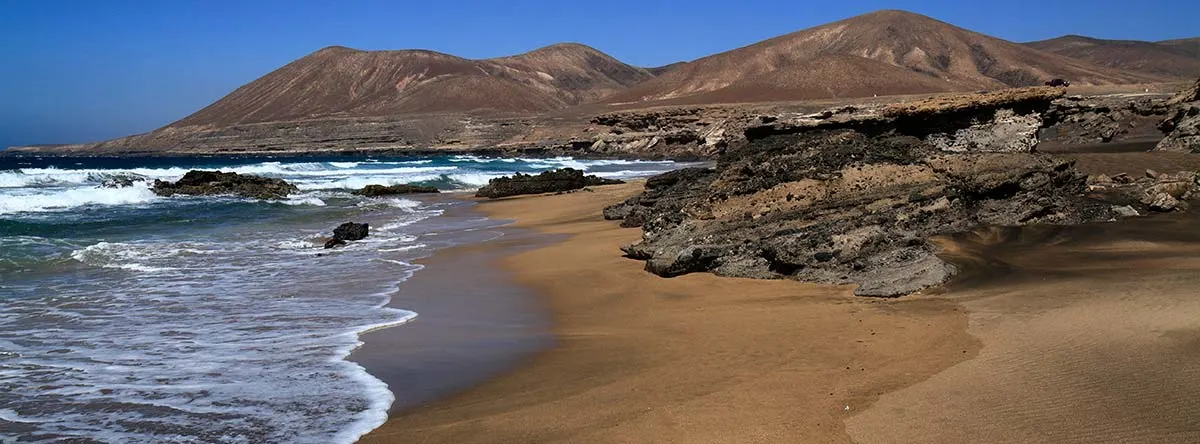
Near El Cotillo, Cala de las Escaleras is one of the best-known coves among visitors looking for quieter spots in northern Fuerteventura. Its name comes from the staircase that leads down the cliff to the sand.
The cove is framed by rock walls and has pale sand that changes noticeably with the light and the tide. The descent needs care, especially with bags or on damp ground.
It is an excellent stop for the scenery, but it is not an easy cove for everyone. The access is part of the experience, so wear suitable footwear and take the descent slowly.
Hidden caves in Fuerteventura and coastal scenery
Hidden caves in Fuerteventura can also be added to a coastal route, although not all are easy to reach or clearly signposted. Many are sea-facing formations, rocky areas or cavities where access depends heavily on the tide and sea conditions.
The best-known example is in Ajuy. The Ajuy caves are not exactly secret, as they are one of the island’s most common visits, but they are useful for understanding Fuerteventura’s volcanic origins and the force of the sea against its cliffs. They make an interesting addition to a route focused on beaches, coves and coastal scenery.
Less visited caves require particular care. Some areas may be affected by rockfalls, difficult access or dangerous sections when the tide comes in. Check up-to-date information before going, respect any signs and do not enter any cave if the sea is rough.
Tips for visiting lesser-known beaches and coves
Fuerteventura’s quieter coastal areas have clear appeal, but they usually come with fewer services. A visit to one of these beaches needs more preparation than a day at an urban beach.
Take enough water, something to eat, sun protection, a hat, closed shoes for access routes and a bag for your rubbish. It is also worth checking mobile coverage, looking at the wind forecast and finding out whether the access route requires a suitable vehicle.
Swimming needs particular care. Many hidden beaches in Fuerteventura are on exposed stretches of coast, with no lifeguard and possible currents. When in doubt, stay on the shore, enjoy the walk and leave swimming for a more sheltered beach.
Where to stay to discover Fuerteventura
After visiting some of Fuerteventura’s hidden beaches, staying in Morro Jable or Jandía will provide you with a comfortable base with beach access, a seafront promenade, services and a relaxed atmosphere at the end of the day.
In Morro Jable, IFA Altamarena by Lopesan Hotels is a four-star hotel beside Playa de Jandía, with direct access to the beach, gardens and activities designed for families. It also has an entertainment programme, a sun terrace, games rooms and sports options such as tennis, table tennis, volleyball, pétanque and aqua gym.
IFA Villas Altamarena is another option in the same area, right on the beachfront and with direct access to the seafront promenade. Its villas are designed for families, couples or groups of friends looking for more independence during the trip, with views of Playa de Jandía and sports activities available at the property.