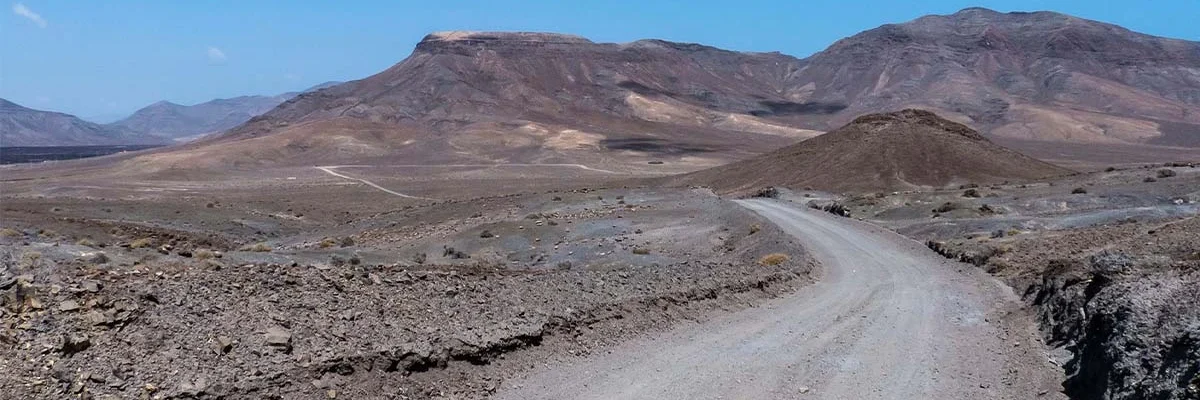
The Cuchillos de Vigán on Fuerteventura are one of those places few people visit, yet they linger in the memory for their sheer scale and singular character. Declared a Natural Monument under the Canary Islands’ Natural Spaces Law 12/1994, this protected area spans more than 6,000 hectares and rises to 462 metres above sea level. Think stark, desert-like scenery full of contrasts, where volcanic formations tell the story of the island’s geological origins.
What makes the Cuchillos de Vigán special
Unlike other volcanic zones on Fuerteventura, the Cuchillos de Vigán stand out for their knife-edged ridgelines, dark lava tones and the striking contrast with the semi-desert around them. With no buildings and access that’s a touch limited, the landscape retains a wonderfully untouched feel. It exudes solitude – ideal for following little-trodden tracks and discovering a raw, unfiltered side of the island’s geology.
What to see at the Cuchillos de Vigán
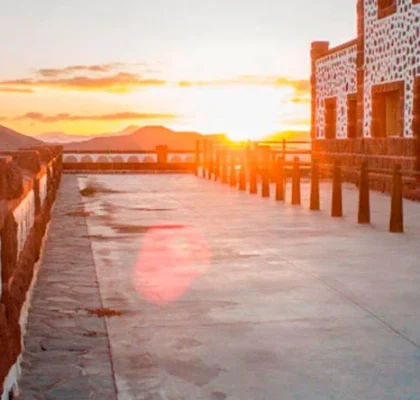
Tucked between the municipalities of Antigua and Tuineje, the Cuchillos de Vigán border the Paisaje Protegido del Malpaís Grande to the northwest, a vast lava plain. To the north you’ll find the Centro de Interpretación de la Atalayita, and a little further northeast lie Las Playitas and the Faro de la Entallada, where you can spot marine fossils and soak up sweeping Atlantic views.
These formations – the “cuchillos”, or volcanic knife-ridges – took shape millions of years ago and now form a rugged landscape of genuine scientific value. The area shelters native flora and fauna too, including the well-known fauna handiense, typical of Fuerteventura.
Birdlife is a highlight: keep an eye out for trumpeter finches and the Canary Islands stonechat, among other protected species.
Flora and fauna
There’s more to this natural space than its geology. Wind-hardened, drought-tolerant plants thrive here – mato, aulaga and tabaiba dulce among them. Alongside the birds already mentioned, you may also see houbara bustards, shrikes and kestrels, especially on higher ground. With no roads nearby, the area is wrapped in silence, making any visit peacefully absorbing.
How to get to the Cuchillos de Vigán
Getting here can feel a touch tricky if you don’t know the routes. Much of the approach is along dirt tracks, so check directions in advance and use a suitable vehicle.
The most direct access is via the FV-2 and FV-512 between Teguital and Casas de Tenicosquey. From there, several unpaved turn-offs lead towards the western edge of the Natural Monument.
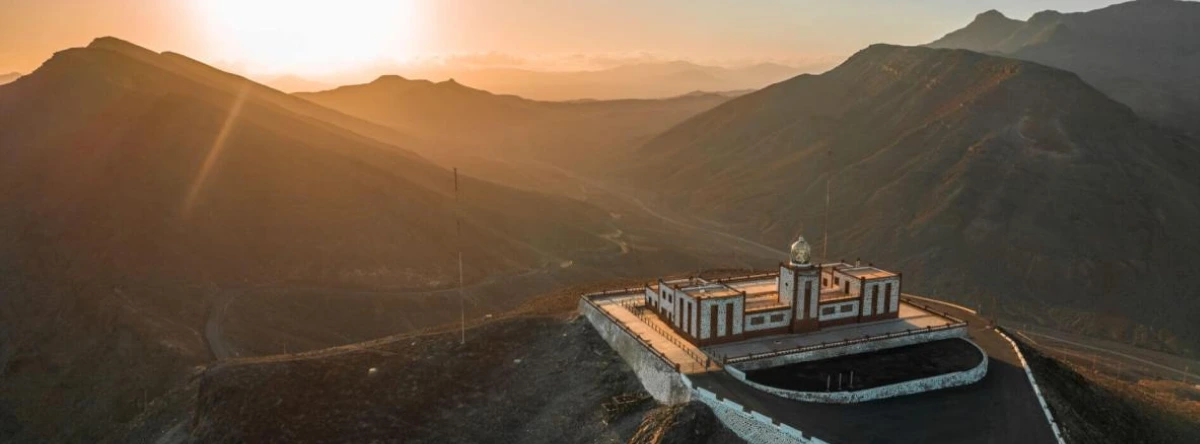
Another option is to take the FV-420 from the north of the island and link up with the FV-2 to skirt the protected area. En route, you can detour to Las Playitas, with its clear waters, or to the Faro de la Entallada, an excellent spot to round off the day with a different take on the east-coast scenery.
Can you go hiking in the Cuchillos de Vigán?
There are no waymarked trails or official routes, though there are areas you can explore on foot with care. The dirt tracks let you venture into the western side and experience the landscape from within. There’s no shade, so bring plenty of water, a hat and sun protection. It’s wise to avoid the middle of the day – especially in summer – and to check the ground carefully before leaving the main tracks.
Nearby visits to round off your route
If you’re keen to see more of the surroundings, there are easy add-ons. Las Playitas, just a few kilometres away, is a small coastal hamlet with calm waters, a seafront promenade and places to eat by the sea. The Faro de la Entallada, clinging to the cliff edge, offers one of the most spectacular viewpoints on the east coast. And for a glimpse of indigenous history, drop into the Centro de Interpretación de la Atalayita, where archaeological remains of the island’s earliest settlers are preserved.
A little-visited landscape – and that’s part of the appeal
The lack of simple access and tourist signage is exactly what keeps the area’s character intact. You won’t find rest areas, information boards or waymarked routes here. What you will find is a rare sense of isolation. For many travellers, that’s the draw: a place to walk in silence, linger over the details and let the landscape speak for itself. Untamed by tourism, it offers a different kind of experience.
Where to stay if you’re visiting the Cuchillos de Vigán
You won’t see the Cuchillos de Vigán flagged in many guidebooks, and there’s little in the way of nearby services – which is precisely why the area still feels authentic. It’s somewhere to take your time, wander quietly and leave with the sense of having stepped into an undomesticated landscape. If you’re after something genuinely off the beaten track, you’ve found it.
After exploring this remote corner of the island, you’ll want a comfortable base to return to. Lopesan Hotel Group offers two excellent options in Jandía, on the south of Fuerteventura: the IFA Altamarena Hotel, ideal if you want every comfort just steps from the sea, and the IFA Villas Altamarena, perfect for a more independent stay with extra space and privacy. They’re not next door to the monument, yet they’re perfectly placed for day trips to the island’s natural highlights – including this remarkable protected area. We look forward to welcoming you!