In northern Germany, almost touching Denmark, lies an island linked to the mainland by a long, understated bridge. Its name is Fehmarn – a place many may never have heard of. Yet those who make the journey discover something hard to define: a mix of wide horizons, maritime heritage, quirky museums and unhurried outdoor pursuits.
Fehmarn is best explored on foot or by bike. You’ll find broad beaches, nature reserves, lighthouses, an unusual festival and even a submarine transformed into a museum.
Living history in stone, steel and water
At first glance, Fehmarn might appear to be nothing more than a peaceful island, but its shores are rich in stories of shipwrecks, frontiers and shared memory. There are no grand national museums or restored castles, yet there are places that tell a great deal without pretence.
In Gammendorf, a stone by the sea commemorates the sinking of the training ship Niobe in 1932, in which 69 sailors lost their lives. Near Flügger, a huge boulder of almost seven tonnes marks Jimi Hendrix’s final concert, held here in 1970 during the Love-and-Peace Festival.
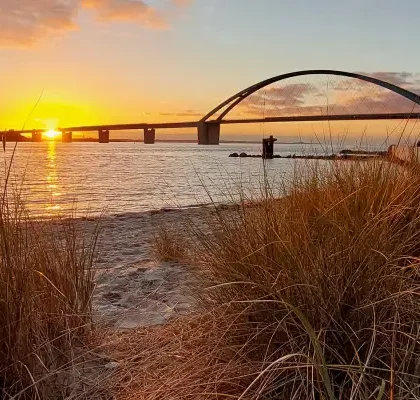
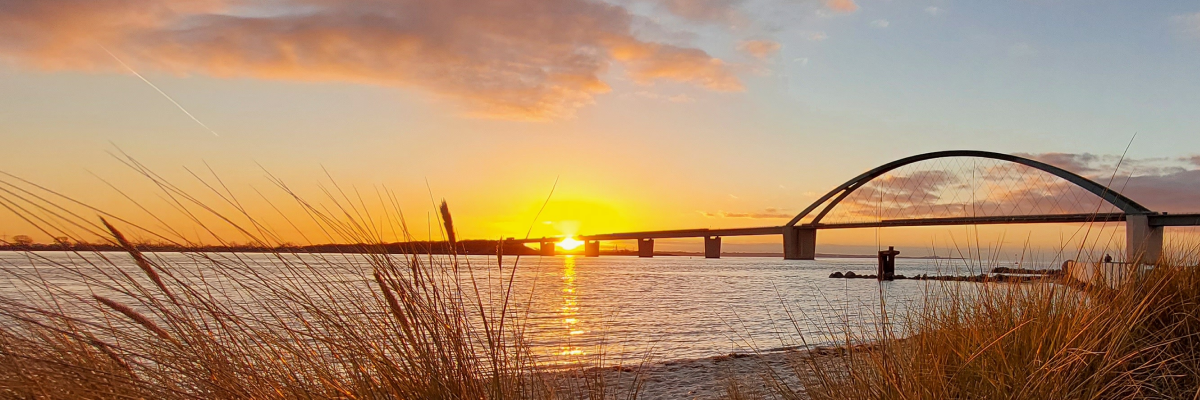
The Fehmarnsund bridge, built in 1963, connects the island with the mainland. It is easy to overlook, yet its 963 metres of steel have been listed as a monument since 1999. Still toll-free and in daily use, it will eventually be joined by new transport links already under construction.
The lighthouses of Fehmarn are both landmarks and witnesses. Flügge lighthouse, standing 37 metres tall, is open to visitors and rewards the climb of 162 steps with sweeping views. Others – Strukkamphuk, Staberhuk, Marienleuchte or Westermarkelsdorf – can only be admired from the outside, but they continue to shape the horizon.
To the south, on Burgtiefe beach, lie the remains of Glambek castle, a 13th-century Danish fortress. Only fragments survive, yet the ruins still hint at the medieval disputes that wove the island’s history.
Unusual museums for a distinctive island
If you’re wondering what to do in Fehmarn beyond the beaches, you’ll find the island doesn’t rely on major cultural institutions but instead surprises with smaller, unexpected places – approachable, modest, and often unique.
One of the most remarkable is the U-11 submarine, once part of the Bundesmarine and now open to visitors in Burgstaaken harbour. Just over 40 metres long, it has been preserved intact, offering a clear sense of life on board.
Nearby, the Marine Zentrum features aquariums with sharks and tropical fish. Opened in the 1990s and soon expanded, it may be compact, but it provides a direct encounter with the marine world surrounding the island.
Elsewhere, NABU Wallnau is a nature reserve managed by Germany’s leading conservation association. Covering nearly 300 hectares and home to more than 280 recorded bird species, it includes observation towers, waymarked trails and guided tours.
Other attractions – the Maritime Rescue Museum, the butterfly house or the Galileo Wissenswelt centre – complete the picture with experiences for all ages. Without grandeur, each one offers a different way of looking at the island.
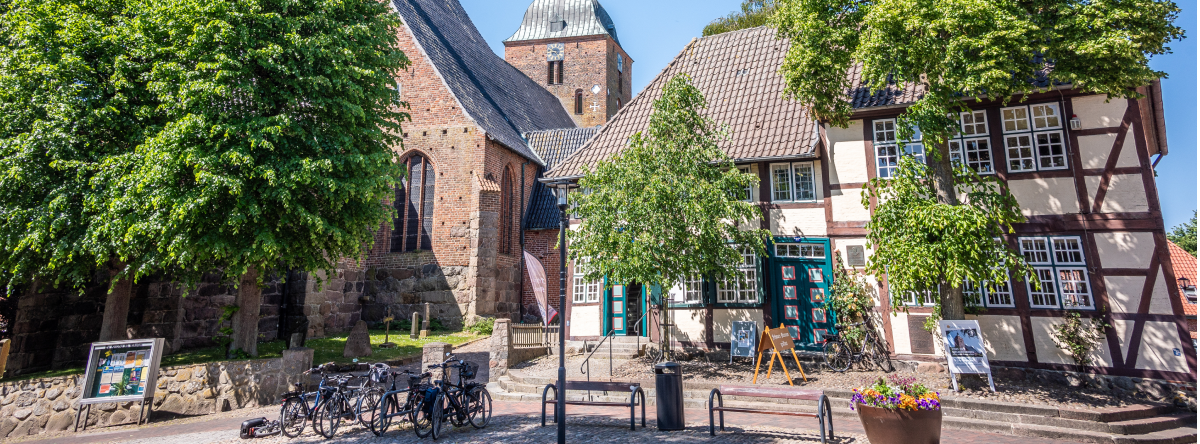
Between sea and countryside: beaches, reserves and viewpoints
Fehmarn is an island made for walking: distances are manageable, the scenery is open and the breeze clears the mind. You don’t need demanding routes to find something worth pausing for.
Grüner Brink beach in the north doubles as a nature reserve. Its lagoons attract hundreds of birds, while its broad, shallow shoreline is ideal for leisurely walks. On windy days, kitesurfers brighten the sky with colour.
Further south, the Wulfener Steilküste offers a more rugged stretch of coast. The cliffs aren’t high, but they are enough to change the perspective. Here the beach is quiet, often with solitary walkers or dogs running free along the sand.
At the southern tip, Südstrand near Burgtiefe is busier. It is the island’s main beach, with fine sand, a promenade, lifeguarded zones and facilities for hiring parasols or paddleboards. Even so, it keeps the relaxed air that defines Fehmarn.
There are also quieter stretches such as Meeschendorfer Strand, where vegetation almost touches the sand. Facilities are few, which only adds to its natural charm. Here the pace is simple: walk, stop for a while, and carry on without a plan.
Activities at an easy pace
Fehmarn isn’t a destination for thrill-seekers, but that doesn’t mean there’s nothing to do. The island offers ways to stay active, but always at a gentle rhythm. Walking by the sea, cycling along paths or trying something new without pressure or experience are all part of its slower appeal.
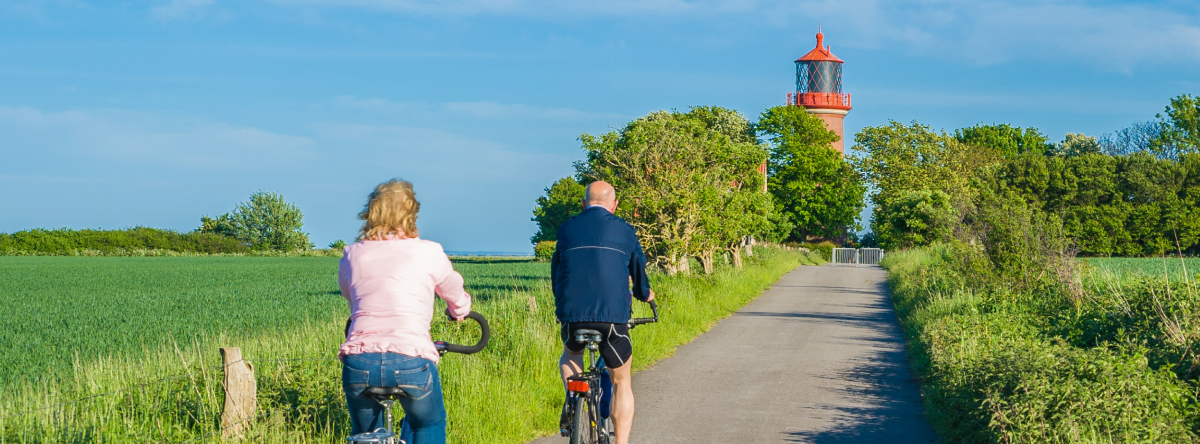
There are unusual golf options, from Adventure Golf with floating boats and quirky obstacles to Soccergolf, which blends football and golf across a playful course of rocks, ponds and bridges.
You can also visit Barfußpark, a barefoot sensory trail where you walk over grass, stones and wood. Designed with families in mind, but open to anyone who enjoys life’s simple pleasures.
For those with more energy, there’s wakeboarding at Wakepark Fehmarn, climbing in a former silo at Burgstaaken, or windsurf lessons in Wulfen. Nothing here is extreme, and most activities are designed for beginners.
And if the weather turns, Funtasia Mini-Golf is an indoor alternative that keeps the fun going whatever the forecast.
Events, festivals and a project set to reshape the island
Fehmarn doesn’t follow a packed agenda, but certain events do set its rhythm. The most distinctive is the Midsummer Bulli Festival, an annual gathering that brings thousands of Volkswagen camper vans to the seafront. Music, accessory markets, workshops and a family-friendly vibe make it a summer celebration with a Scandinavian twist.
On a different note – less festive but just as significant – is the Fehmarnbelt Tunnel project. This ambitious undertaking will link the island with Denmark via an 18-kilometre underwater tunnel. Construction is already under way, and it will dramatically change connections with Scandinavia. Visitors can stop at information centres or follow progress from viewing points on the island.
Sleeping by the sea: a peaceful Fehmarn at your own rhythm
Fehmarn lends itself to both long stays and short breaks, but in either case it’s worth choosing accommodation that reflects the island’s slower rhythm. Facing the sea in a convenient, open setting, the IFA Fehmarn Hotel & Ferien-Centrum offers a stay in keeping with the island’s character: straightforward, functional and with everything you need to relax and explore at ease.
The complex balances independence with services, providing direct access to the beach and a stress-free environment. It’s designed for families, couples or travellers who aren’t looking for frills, but for space, comfort and a solid base from which to discover the island.