Rügen doesn’t usually make the shortlist of places to visit in Germany. And yet here it is: a large island, lined with coast, white chalk cliffs, vintage trains and villages gazing out at the Baltic as if time moved differently. There’s no need to arrive with a tightly packed itinerary. It’s enough to know where to start.
Rügen, a different island in Germany
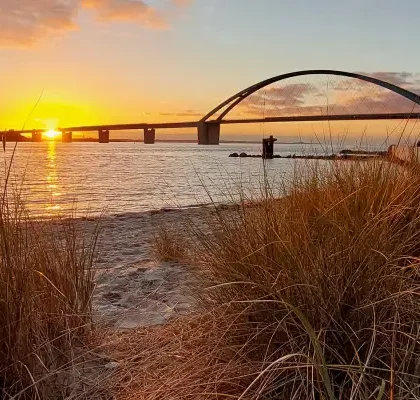
Rügen lies in the country’s northeast, set in the heart of the Baltic Sea. It’s linked to the mainland by a long bridge, and the moment you cross, the feeling is clear: this doesn’t look like Germany. There are chalk cliffs, dense forests meeting the sea, wooden houses painted in soft colours and plenty of open space untouched by development.
It’s Germany’s largest island, but it doesn’t seek to impress with grandeur. Its charm lies in what you can walk, ride or cycle through at your own pace. Some corners carry the faded elegance of old spa towns — Sellin and Binz — while others remain simple villages, moving to a slower rhythm and showing little sign of mass tourism.
What to see on Rügen: landscapes, villages and more
Several places reveal why Rügen is considered something special. You don’t need to see them all in one trip, but choosing wisely makes a difference. Here, it’s not about spectacle, but about the feeling the place leaves behind.
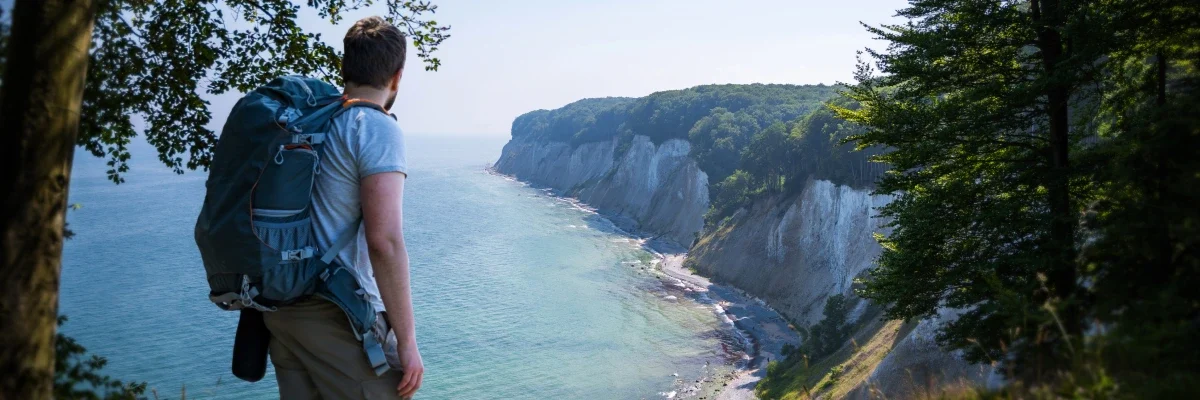
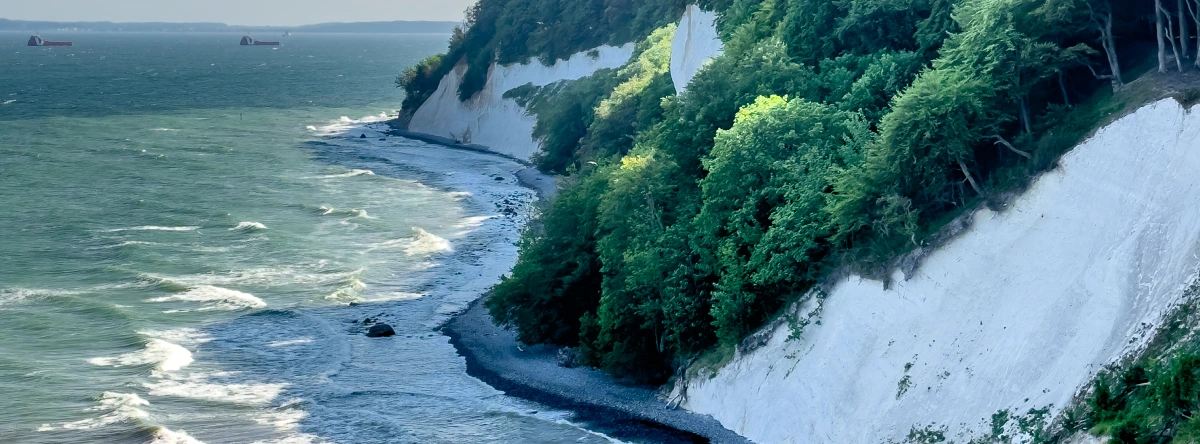
Jasmund National Park is one of the highlights. The chalk cliffs, especially Königsstuhl, rise sheer over the Baltic at surprising heights. The landscape feels abrupt, almost cut away, and the beech-wood trails give views down to the coast, whether veiled in mist or bathed in sun. It’s not somewhere to rush.
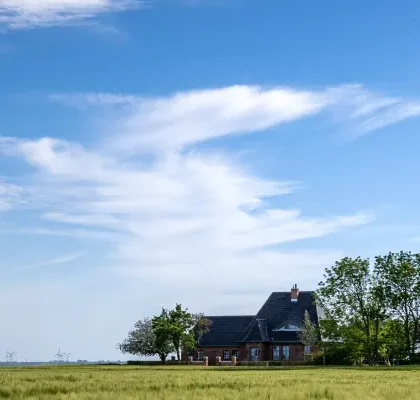
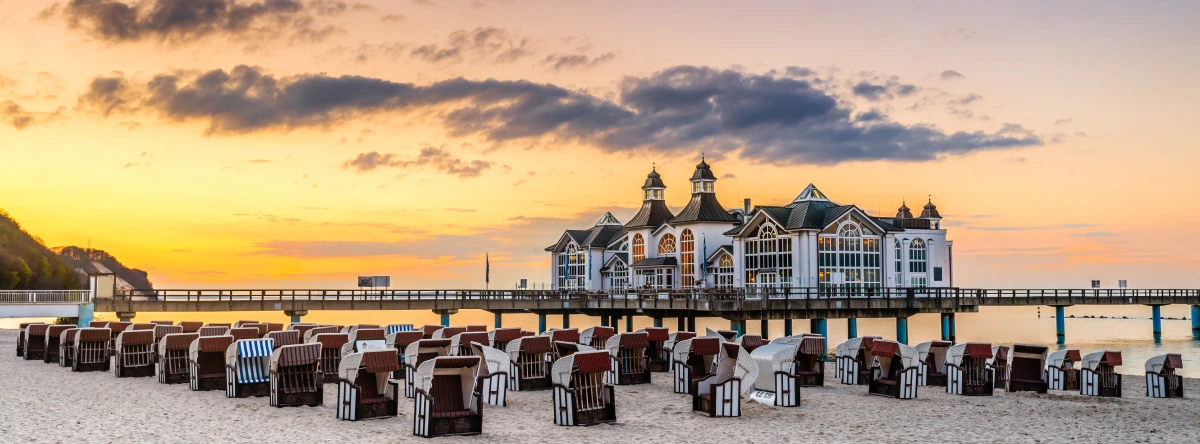
Binz and Sellin, meanwhile, show a more polished side of the island. These are historic spa resorts with white wooden villas, piers stretching into the sea and an atmosphere that harks back to another age. You’ll find cafés, hotels, small harbours and long, uncrowded beaches where people come to stroll or watch the waves rather than sunbathe.At the northern tip, Cape Arkona and nearby hamlets such as Vitt offer yet another picture: lighthouses, low cottages, wide open fields and that blend of maritime and rural life that’s rare elsewhere in Germany.
What to do on Rügen through the seasons
On Rügen, the seasons shape how you spend your time. Some trails are best with long summer days, some landscapes come alive in mist, and the beaches feel very different in August than they do in January. Before planning your trip, it helps to know the local climate: not so much to predict it, but to pick the right moment.
The weather on Rügen
Rügen’s climate is oceanic, with mild winters and temperate summers. Rain is frequent, winds are a constant presence, and changes can be sudden, especially in spring and autumn. It’s never extreme, but it’s rarely predictable.
In summer, daytime temperatures usually hover between 18 °C and 23 °C. Humidity is high but not stifling, and the Baltic breeze keeps the air fresh. Nights are cool, even in July and August, so packing a jacket is wise.
Autumn is variable. September can be pleasant, with vivid colours and fine light. By October and November, rain, mist and chillier days set in, though temperatures rarely drop below 5 °C.
Winter doesn’t freeze the island, but it does quieten it. Lows hover around 0 °C, daylight is scarce and the damp air makes it feel colder. Snow is possible, though not common. What you will find is wind, silence and solitary landscapes.
Spring brings light back slowly. April is still cool and unsettled, while May feels noticeably brighter, with more visitors returning. It’s a good time for outdoor walks, as long as you don’t mind carrying an extra layer.
Checking the forecast before you set out is useful, but the most practical advice is to accept that the weather can turn in a matter of hours. Adapting to it is part of the experience.
Practical tips for your trip to Rügen
- How to get there: Rügen is well connected with northern Germany. From Berlin or Hamburg it’s a three- to four-hour drive. Regional trains also cross the Rügen Bridge from Stralsund to Binz, Bergen or Sassnitz, with no fiddly changes.
- How long to stay: It depends on your pace. Three days is enough to see the essentials without rushing: the coast, the main villages and a walking route or two. A week lets you take things slower, explore lesser-known corners and allow for the changing weather.
- Getting around: By car, you can reach almost anywhere. But it’s also easy without one: regional trains, frequent buses and even a heritage railway along part of the coast. Bicycles are a great choice for shorter trips and marked trails.
- When to go: For buzz and open terraces, summer is best. For quieter walks, spring or autumn are ideal. For complete tranquillity, winter can be surprisingly rewarding, though with fewer services available.
Rügen doesn’t demand detailed plans. All you need is some time, the right clothing and a willingness to take things slowly. It’s an island best discovered on foot, by train or by car, depending on your pace. And when it comes to somewhere to stay, IFA Rügen Hotel & Ferienpark by Lopesan Hotel Group is a standout choice — right by the sea, with services close at hand and easy connections to the island’s key sights.