Talking about “the best cocktails” can be risky. After all, best for whom? What might be the perfect serve for one person may hold no appeal for another. Mixology doesn’t work with fixed lists or universal recipes. Even so, some classics have stood the test of time, outlasting fashions, generations and borders. These are drinks that still appear on menus worldwide and, with subtle tweaks, adapt to the setting, the guest and the moment.
This article doesn’t aim to give you a definitive list, but rather a thoughtful selection to help you choose according to the occasion. Because the perfect cocktail doesn’t exist – what does exist is the ideal drink for a given situation.
Does it make sense to talk about “the best cocktails”?
From a professional or technical point of view, the idea that some cocktails are inherently better than others is simplistic. A good drink isn’t defined by a rigid recipe but by balance, execution, ingredients and, above all, by how well it suits the moment and the guest. As Raimondo Palomba, Head of Bars at Lopesan Hotel Group, puts it: “there are no better or worse cocktails – only those that are most appropriate for the person, the place and the time of day.”
That said, certain classics have secured a permanent place on bar tops across the globe. They are versatile, recognisable, well-structured serves. They work because they adapt, not because they try to stand out. And that, in its own way, makes them “the best” for far more occasions than we often realise.
Classics to start well: cocktails as aperitifs
A good aperitif doesn’t just awaken the appetite – it primes the palate. In classic cocktail culture, there’s a family of drinks created precisely for this: dry serves, lightly bitter or sparkling, that stimulate without overwhelming. They’re measured, balanced, and steeped in history.
Among the best known are the Dry Martini, the Negroni and the Americano. The Martini, with its aromatic blend of gin and vermouth, is the very image of elegance. The Negroni, with its trio of red vermouth, gin and bitter, offers a more pronounced edge – ideal for those seeking character. The Americano, lighter thanks to a splash of soda, provides a gentler, more refreshing entry.
These drinks shine before a meal, in calm settings, or whenever you crave something classic and uncompromising. Cocktails like the Martini or the Negroni often appear on lists of the world’s greatest not because they’re complex, but because they’re balanced and enduring. They may not always be crowd-pleasers, but they remain favourites among bartenders.
Refreshing and easy-going: cocktails for any time of day
Some cocktails need no introduction. They work poolside, at an open-air party, or on a sunny terrace in the afternoon. They’re fresh, fruity, easy to drink and, above all, versatile. This is where you’ll find some of the world’s best-loved – and most-ordered – serves.
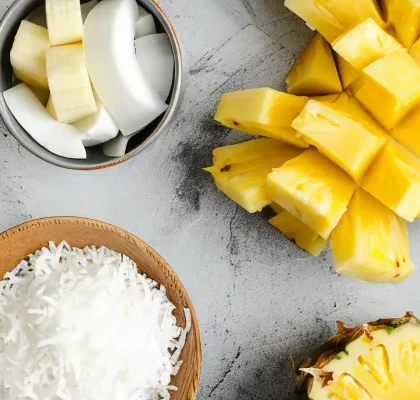
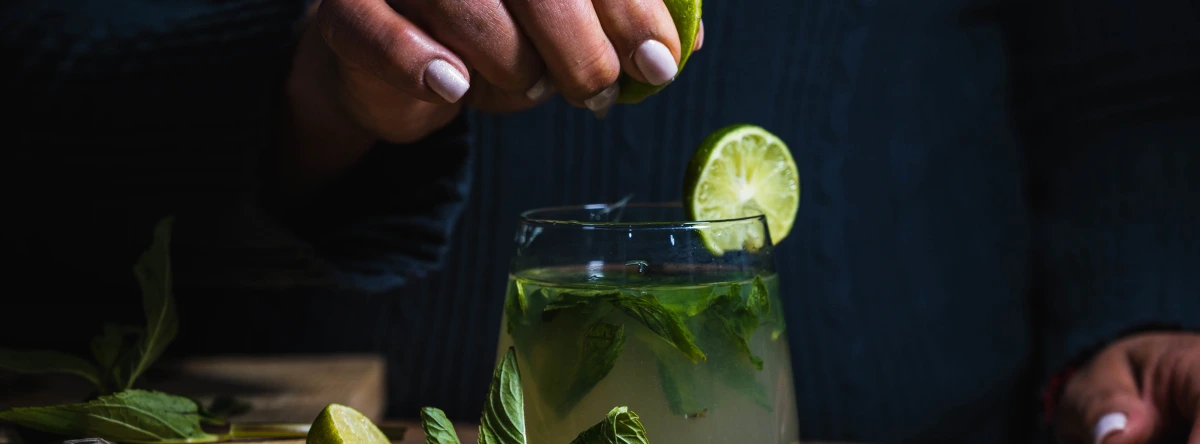
Mojito is perhaps the undisputed king. With its mix of rum, lime, sugar, mint and soda, it strikes the perfect balance of tang, sweetness and freshness. Its Brazilian cousin, the Caipirinha, relies on cachaça and lime alone for its punch. The Daiquiri, in its classic or frozen form, follows a similar principle: few ingredients, precisely balanced. And the Piña Colada, creamier and more tropical, adds coconut and pineapple for those who prefer something more indulgent.
Drinks like the Piña Colada or White Russian are often considered the best sweet cocktails thanks to their smooth texture and comforting flavours. They’re crowd-pleasers: unfussy, approachable, and easy to recommend. They appeal to a wide audience, suit warm climates beautifully and lend themselves to gentle variations depending on the setting or the guest.
After-dinner drinks with history
When the meal is over, the body doesn’t always crave more food, but it might welcome something to ease digestion, prolong conversation or round off the experience. Classic cocktail culture has long catered for this moment, offering serves that are richer, more aromatic, with body and often with sweet, bitter or creamy notes.
The Espresso Martini is among the most popular here. Combining vodka, coffee liqueur and freshly brewed espresso, it delivers an intense, energising finale. The White Russian, with vodka, coffee liqueur and cream, provides smoothness and indulgence – often doubling as a dessert. Other digestif cocktails call on amaros, vermouths or herbal liqueurs, all designed to finish a meal with balance.
These drinks are particularly satisfying after a hearty lunch or dinner, in relaxed settings or as an excuse to linger at the table. They’re not about freshness or zing; they’re about depth, texture and a lasting finish.
🟡 Did you know…?
The Espresso Martini contains no vermouth. Despite its name, it’s made with vodka, coffee liqueur and espresso. The “Martini” here refers to the style of glass, not to the vermouth of the classic Dry Martini.
Elegant, bold, timeless: night-time cocktails
Some drinks need no preamble – just a well-lit bar and someone who knows their craft. These are the night-time cocktails: dry, boozy, commanding. Ideal for those who want an experience that’s more restrained, direct and full of character.
The Old Fashioned, with whiskey, sugar and a dash of bitters, is one of the oldest cocktails still ordered today. The Manhattan, made with whiskey and sweet vermouth, follows a similarly sophisticated, spiced path. And the gin and tonic, in its many incarnations, has evolved from a simple highball to a whole category in its own right, thanks to the explosion of gins, tonics and botanicals.
These aren’t the easiest sips, but they’re among the most respected by those who value structure, intensity and purity. They fit seamlessly into dinners, stylish bars or as a slow, contemplative nightcap.
How do you choose the ideal cocktail?
Beyond fashions, lists or iconic recipes, what really matters when ordering a cocktail is context. A drink that works by the hotel pool may not feel right at an elegant dinner. The same goes for time of day, the weather or even your mood. Choosing wisely isn’t about memorising recipes, but about sensing what suits the moment.
Here, the bartender’s role is vital. As Raimondo Palomba explains, experience means not only preparing cocktails correctly, but also sensing what the guest is after – even when they’re not sure themselves. A good bartender listens, observes and suggests.
Cultural background also plays a role. What appeals to a Spanish guest – often drawn to sweeter profiles – may differ from an Italian, who tends towards bitterness, or a Brit, who might prefer drier, more spirit-forward drinks. These preferences have roots in culture, but also in upbringing and taste memory. In Italy, for instance, children often try bitter drinks like chinotto or coffee early on. In the Canary Islands, by contrast, many grow up with very sweet flavours, such as strawberry Clipper.
That’s why Lopesan bars offer a broad, flexible menu, designed with diverse audiences in mind and with ingredients that can be tailored to different palates. The important thing is not whether a cocktail is “the best in the world”, but whether it’s the best for you, right then.
Classics with a sense of place
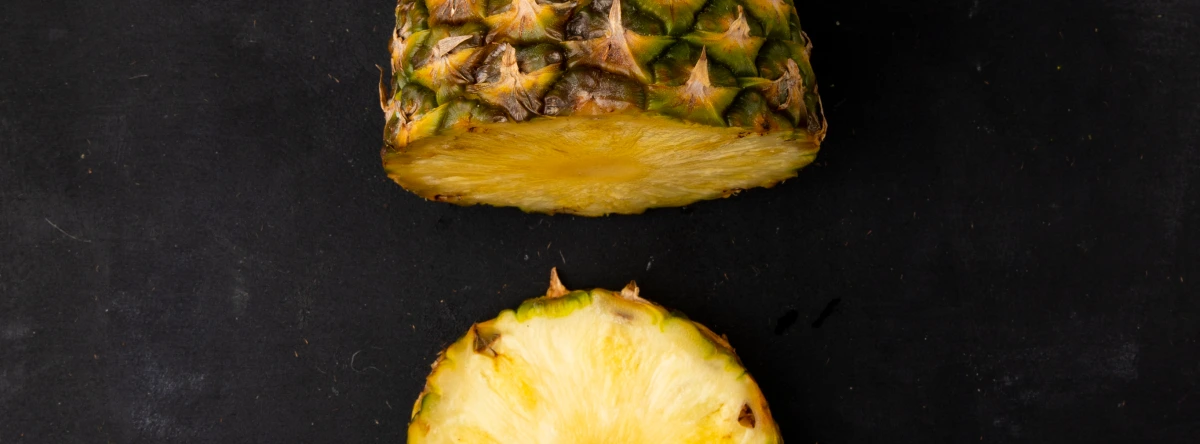
Some classics, especially those with tropical roots, naturally fit with the produce and climate of the Canary Islands. At Lopesan Hotel Group, the emphasis is on using fruit from the Veneguera agricultural estate: pineapple, passion fruit, mango, papaya and banana are regulars in the freshest twists.
Drinks like the Piña Colada, Daiquiri or even the Mojito take on a new dimension here. The recipe may remain the same, but the ingredients are different. Instead of processed bases, fresh, locally grown fruit is used. The result: a serve that feels fresher, more honest, more rooted. It’s not about forcing innovation, but about letting the local produce speak for itself with respect and care.
Consistency counts, even with classics
Maintaining quality in busy hotels is no small feat, but Lopesan works with precision, not volume. Systematic processes ensure the same cocktail is made to the same standard in every bar, without losing freshness or balance.
For example, the spirit base of some cocktails is pre-batched – a common practice in mixology – so they can be served quickly without compromising quality. Fresh elements, like lime juice or tropical fruit, are always prepared to order. This organisation allows for speed and consistency without sacrificing attention to detail.
The classics are respected, but also refined. Guest experience is what drives this continuous fine-tuning. As Raimondo puts it: “the point isn’t to repeat a recipe, but to make sure each guest gets the best possible version of that drink.”
Find out what signature mixology is and how we bring it to life at Lopesan.
Classics with a signature touch in a unique setting
Classics don’t go out of fashion because they adapt. At Lopesan Hotel Group, that adaptation comes through respect for the original recipe, attention to detail and connection with place. Tropical fruit from the Veneguera agricultural estate, systems that guarantee quality even under pressure, and sensitivity to each guest’s expectations all combine to make every cocktail a carefully crafted experience.
This philosophy is brought to life in venues such as SURU Cocktail Bar at Hotel Faro, a Lopesan Collection Hotel; Bar Central at Lopesan Costa Meloneras Resort & Spa; and Nereo Cocktail Bar at Corallium Dunamar by Lopesan Hotels. Three distinct styles, united by the same ethos: reinterpreting the classics with technique, good judgement and local produce.
Here it’s not just about serving a Mojito or a Daiquiri. It’s about offering a version that fits the place, the moment and the person in front of you. Because the best cocktail isn’t the most complex or the most famous – it’s the one that blends flavour, context and memory. And that’s what Lopesan works on with rigour and personality.
Are you ready to try it?