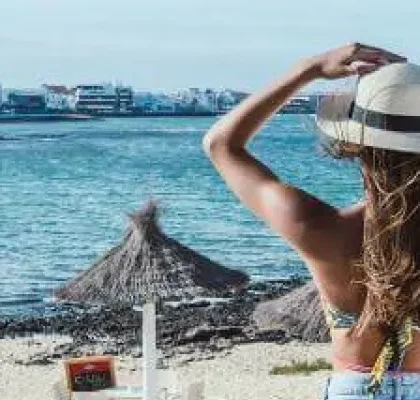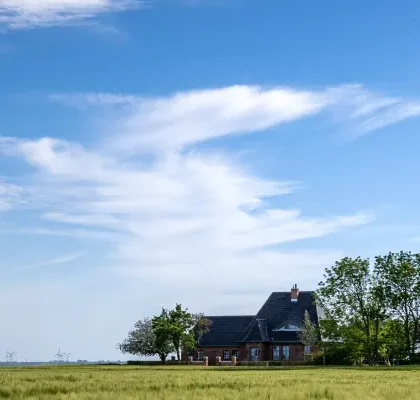
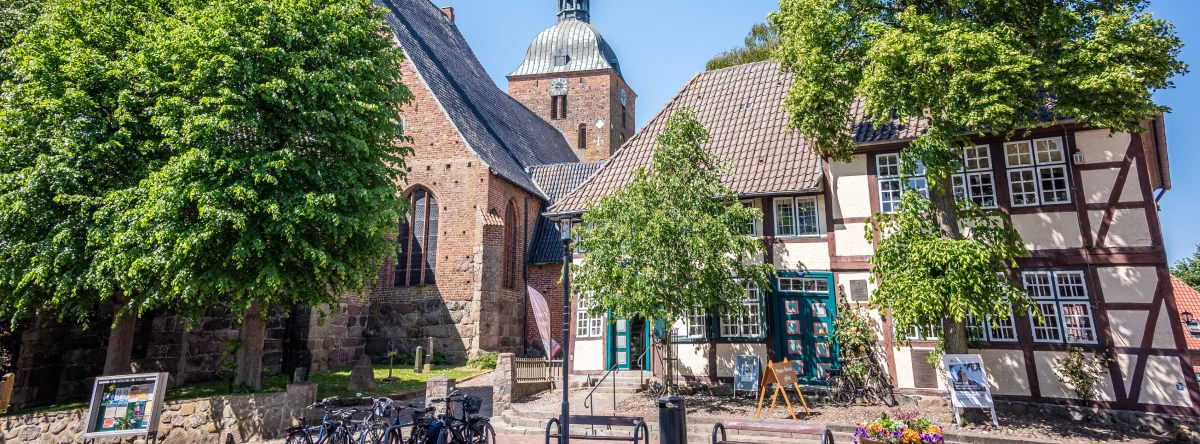
The Baltic Sea isn’t usually the first place that comes to mind for a beach holiday. That’s part of its appeal. While much of Europe heads south in search of heat and crowded shores, the Baltic offers something quieter: clean air, wide horizons and a clear northern light that sharpens every outline.
The pace here feels different. No high-rise blocks pressing up against the sand, no constant resort noise. In a single walk you can feel fine, pale sand underfoot and, moments later, catch the scent of pine resin drifting from the forest. Along this coastline, woodland reaches the water and cliffs stand against the wind. There is space — and you notice it.
A contrast with the Mediterranean
The difference is immediate. There are no enclosed coves packed with loungers, no continuous rows of development along the shore. The horizon stays open, and the sea shifts between steel blue and silver depending on the light.
The Baltic feels more restrained, more expansive. The water rarely reaches the warmth of southern Europe, yet that coolness defines its character. Swimming is possible — for the hardy — but it isn’t the focus. Walking, watching the sky, breathing deeply: that’s what draws people here.
Open horizons and a breeze off the sea
Wind is part of the landscape. Even in midsummer, a steady breeze crosses the coast, shaping how the climate feels. It isn’t a place of heavy, sticky heat. The air moves constantly, making long walks comfortable even in July.
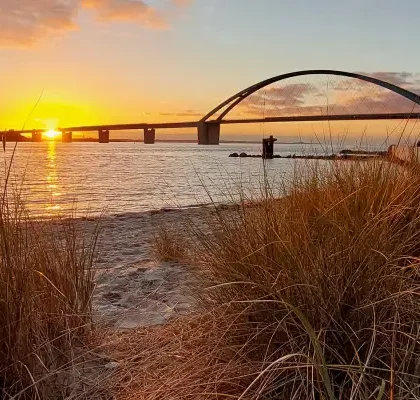
The scale is what strikes you first. The beaches run straight for kilometres, allowing the sky to dominate. Sea and horizon form a continuous line. For anyone looking to avoid the intensity of southern summers, the Baltic offers a quieter alternative centred simply on space and air.
A coastline still shaped by nature
Much of the Baltic shoreline feels largely untouched. There are historic spa towns and small harbours, but between them stretch long expanses of dunes, pine forest and cycling paths.
Not everything is carefully choreographed or signposted. That slight lack of intervention gives the coast its character. You walk further. You look more closely. You accept the weather rather than work around it. The silence here is part of the experience — and increasingly rare elsewhere.
Baltic Sea beaches
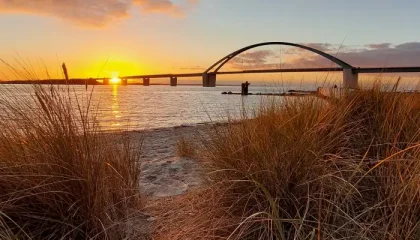
Fine sand and wide horizons define Baltic beaches.
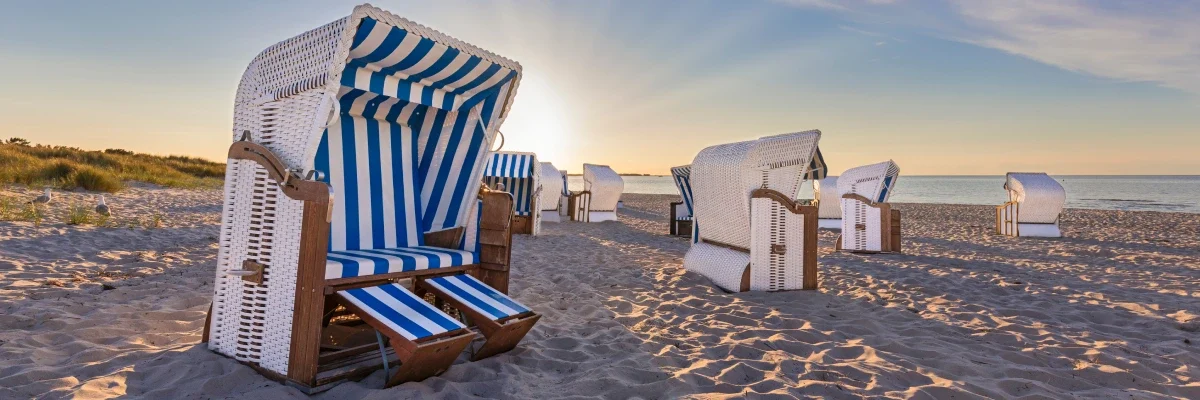
The sensation is different from southern Europe. There is no scramble for a patch of shoreline; space is abundant. The beaches slope gently into the water, and when the wind picks up, the traditional solution is a Strandkorb — the hooded wicker beach chair that offers shelter while still facing the sea.
Behind many stretches of sand lie low dunes covered in grasses and vegetation, forming a natural transition inland. The mix of dune and forest creates a landscape that feels open yet accessible, well suited to long, unhurried days outdoors.
To stay close to this setting, Lopesan Hotel Group offers two options:
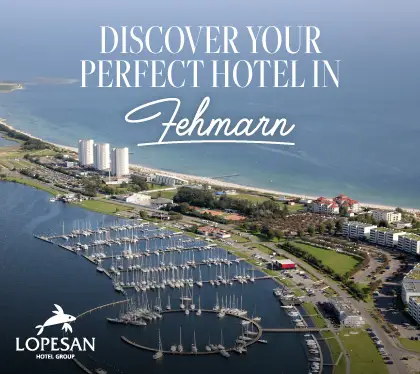
- Fehmarn Island (Germany’s sunniest corner): Fehmarn records some of the highest sunshine hours in Germany. IFA Fehmarn Hotel & Ferien-Centrum sits directly on the southern beach, with elevated buildings that keep the sea in view. The Vitarium — a glazed indoor gallery — provides sheltered space for children to play or for a stroll if the weather shifts.
For more ideas, our guide to what to do in Fehmarn can help you plan a few easy trips around the island.
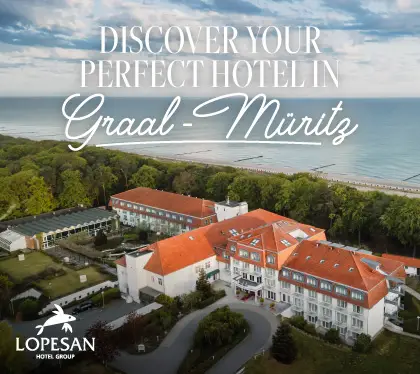
- Graal-Müritz (forest beside the sea): IFA Graal-Müritz Hotel, Spa & Events sits where pine woodland meets the sand. Its 1,500 m² spa area focuses on thalassotherapy. A morning by the water can easily give way to an afternoon indoors by the pool — or by the bar’s fireplace when the air turns cooler.
Cliffs and dramatic coastline
Beaches may dominate, but the Baltic also has striking vertical stretches. On the island of Rügen, white chalk cliffs rise above the sea, creating one of the region’s most recognisable landscapes.
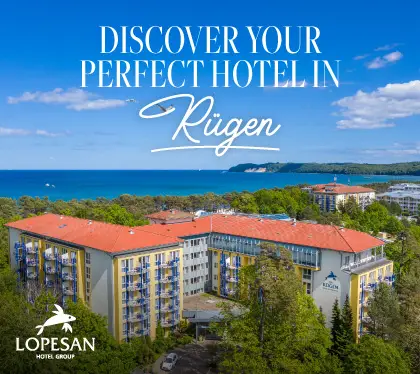
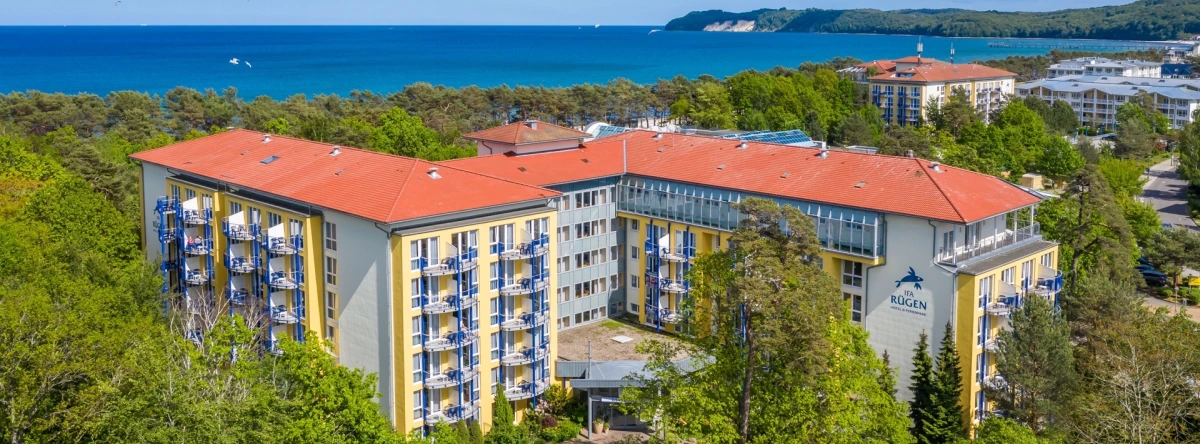
IFA Rügen Hotel & Ferienpark stands in Binz, a resort town with classic seaside architecture. From here you can walk the trails of Jasmund National Park, which run along the top of the chalk cliffs, where light reflects sharply off the water. It makes an ideal place to stay, as it allows you to:
- Visit Jasmund National Park: You’re just steps from the trails that run along the top of the chalk cliffs, where the horizon looks sharper and the light leaves a metallic shimmer on the water.
- Have a weather back-up: If the day turns grey, the hotel’s 3,000 m² Vitarium — an indoor plaza with restaurants, music and games — is a real bonus at this latitude.
- Taste the region: You don’t need to go far to try local cooking; at the Seestern restaurant, the menu focuses on fresh produce from the island.
- Unwind with a view: At the end of the day, you can keep enjoying the sea breeze and the steady hush of the water from your room terrace — the closest thing to a soundtrack you’ll need here.
Forests by the sea
One of the most striking details is how the forest reaches almost to the sand. It may bring to mind parts of the Costa Brava, but the light here is softer and more diffused, unmistakably northern. In places such as Graal-Müritz, pine woodland runs right along the shoreline, almost touching the water.
Walking here feels different. The scent of resin mixes with salt air. There are plenty of trails through the trees, so you can switch easily between pine shade and the breeze along the shore in the same morning — ideal if you like cycling or walking at an easy pace. And there’s a small local ritual after storms: people often comb the tideline among seaweed and driftwood, hoping to spot a piece of amber washed in overnight.
When to travel to enjoy the Baltic
The Baltic coast takes on a different character in each season:
- Spring: ideal for hiking, with bright green forest against deep blue water.
- Summer: the liveliest time, with long daylight hours, cool swims, bike rides and evenings out on IFA hotel terraces in comfortable temperatures.
- Autumn: the woods turn copper and ochre, and the light is excellent for photography. It’s also the best season for amber hunting.
- Winter: for those who want real quiet and the stark beauty of a cold northern landscape.
Visiting northern Germany means finding a part of Europe where nature sets the pace. IFA by Lopesan Hotels brings that same calm to the Baltic coast, with a warm, professional welcome across its properties.
Whether you choose the cliffs of Rügen, the dunes at Graal-Müritz or the open skies of Fehmarn Island, the aim is simple: a comfortable base while you spend time outdoors. With thoughtful service, good food and wellbeing-focused facilities — including spa areas and the distinctive Vitarium spaces — it works well in any season.
Discovering the Baltic with Lopesan Hotel Group is, in the end, about travelling at an easier rhythm, with everything you need close by.