
Travelling should be open to everyone, whatever their physical, sensory or cognitive abilities. In this spirit, accessible tourism is gathering pace as an approach rooted in equality, autonomy and inclusion.
The Canary Islands, one of Europe’s most established holiday destinations, have made real strides in recent years: adapted hotels, vehicles with ramps for wheelchair users, beaches with boardwalks, barrier-free activities and a growing range of resources designed for all.
This practical guide brings together everything you need to plan an inclusive trip to the Canary Islands: how to find adapted accommodation, which transport options are available and the activities you can enjoy without barriers on each island. Because travelling without obstacles is not only possible, but increasingly essential.
What is accessible tourism and why does it matter?
Accessible tourism goes far beyond installing a ramp or tweaking a bathroom. It means designing services, spaces and experiences that everyone can enjoy, regardless of ability. The goal is to guarantee equal access to leisure, mobility and rest.
Today that ethos matters more than ever. Accessibility helps not only disabled travellers, but also older visitors, families with pushchairs and anyone who may have specific needs at certain times. Economically, it offers a clear opportunity for destinations that place inclusion at the heart of their offer.
Thanks to its mature infrastructure, gentle climate and varied experiences, the Canary Islands are perfectly placed to become a benchmark for accessibility. There is still work to do, but many initiatives already show the potential of truly inclusive travel.
Inclusive hotels in the Canary Islands
Choosing the right place to stay is key when you’re planning an inclusive trip. Across the Canary Islands, more and more hotels are embracing accessibility so every guest can enjoy a comfortable, seamless stay.
Accessibility is not only about removing steps or adding lifts. It involves adapted rooms, accessible bathrooms, step-free routes and staff trained to support different needs. It also means ensuring that pools, restaurants and spas are easy to navigate for guests with reduced mobility.
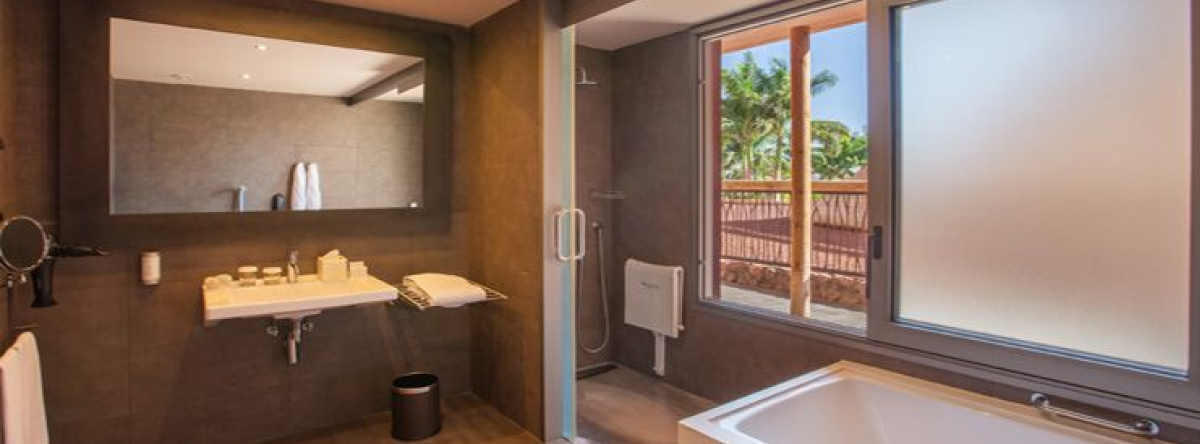
Lopesan Hotel Group stands out for its focus on comfort and attention to detail. Several of our Gran Canaria properties — Lopesan Costa Meloneras, Lopesan Baobab Resort, Abora Buenaventura and Lopesan Villa del Conde — offer adapted rooms with direct access to gardens and pools, level-entry showers, wide doorways and furniture set at practical heights. Everything is designed to create a comfortable, functional, barrier-free environment.
The experience also caters to different guest profiles, including older travellers, families and people with limited mobility. It is a vision of inclusive tourism that goes beyond fittings and fixtures and is reflected in care and service.
Adapted transport: getting around with ease
Exploring the islands is straightforward with the right transport in place. In the Canary Islands, adapted mobility has come a long way. You’ll find vehicles with ramps for wheelchair users, accessible taxis and hire cars adapted for wheelchairs, available through specialist companies and hotel partners.
These vehicles typically feature hand controls, rear ramps, wheelchair restraints and generous interior space. There are also workshops and technical services on the islands for travellers bringing their own adapted car who may need assistance or maintenance.
Having adapted transport means you can discover each island independently and safely, without relying on fixed timetables or limited routes — a vital piece of the barrier-free puzzle.
Accessible activities and leisure without limits
The Canary Islands offer much more than adapted hotels and transport. Leisure and nature can be enjoyed without barriers too. Many beaches provide boardwalks, amphibious chairs and accessible shade. Museums, interpretation centres and cultural venues have been adapted to a range of needs.
In places such as Gran Canaria and Tenerife, you’ll find signposted trails and easy routes designed for visitors with reduced mobility. There are also adapted guided excursions, wine-estate visits, botanic gardens and theme parks offering accessible services from the booking stage onwards.
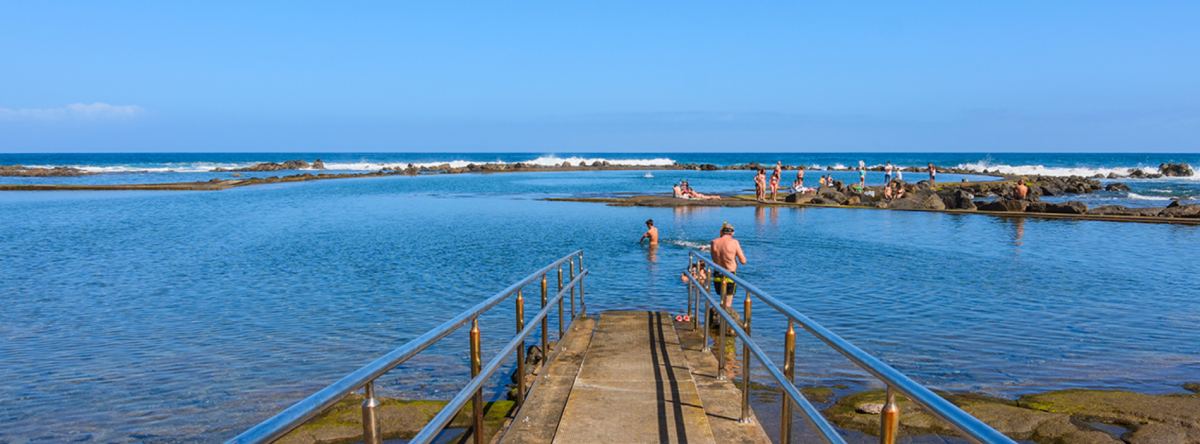
Some urban beaches even have support staff to help wheelchair users or people with mobility difficulties into the water. This makes the Canarian coastline a realistic option for calm, inclusive, nature-rich holidays.
Accessibility is not only about infrastructure. It also requires planning, attention and genuine sensitivity to the visitor. Encouragingly, more and more businesses are committing to experiences for everyone.
Tips for planning an inclusive trip to the Canary Islands
Organising an accessible holiday takes time, clear information and, very often, direct contact with providers. Although the Canary Islands now offer more accessible options, it pays to check a few key points before you book.
One of the best tips is to contact your accommodation or transport provider to confirm that their adaptations match your specific requirements. Labels such as “adapted” or “accessible” don’t always mean the same thing everywhere.
It also helps to consult specialist websites, user associations and inclusive-tourism platforms with reviews from travellers who have first-hand experience. Many local agencies and operators now offer inclusive itineraries with adapted routes, personalised assistance and services tailored to different mobility profiles.
Don’t forget essentials such as travel insurance, access to medical support and pre-booking any equipment you may need (wheelchairs, profiling beds, mobility scooters). The more detailed your planning, the smoother and more enjoyable the trip.
Barrier-free travel is absolutely possible, though it still calls for extra preparation. Reliable information and specialist support can be the difference between a merely workable holiday and one that is genuinely delightful.
A genuine commitment: towards more inclusive tourism
Accessible tourism is a commitment to dignity, equality and the right to enjoy free time on equal terms. Barriers remain, but more and more initiatives are steering the industry towards a truly inclusive model.
In the Canary Islands, that shift is clear in adapted beaches, accessible vehicles and hotel rooms designed with accessibility in mind. It’s also evident in professionals who understand that good service means listening, assisting and solving problems.
There is still ground to cover: retrofitting steps with ramps or lifts, improving signage, training teams and building accessibility into design from the outset. The direction is set, and inclusive tourism is becoming a necessary standard rather than a niche.
The Canary Islands are moving towards a model where accessibility is integral to the experience. Travelling without barriers, enjoying the surroundings, moving independently and feeling well looked after should be the norm.
The commitment of hotels such as those in Lopesan Hotel Group (with adapted rooms, facilities designed for diverse guests and an unwavering focus on quality) shows how inclusion can sit at the very heart of hospitality.
Accessible tourism is not just about reaching a destination; it is about being able to enjoy it fully. And in the Canary Islands, more doors are opening every day to make that a reality.