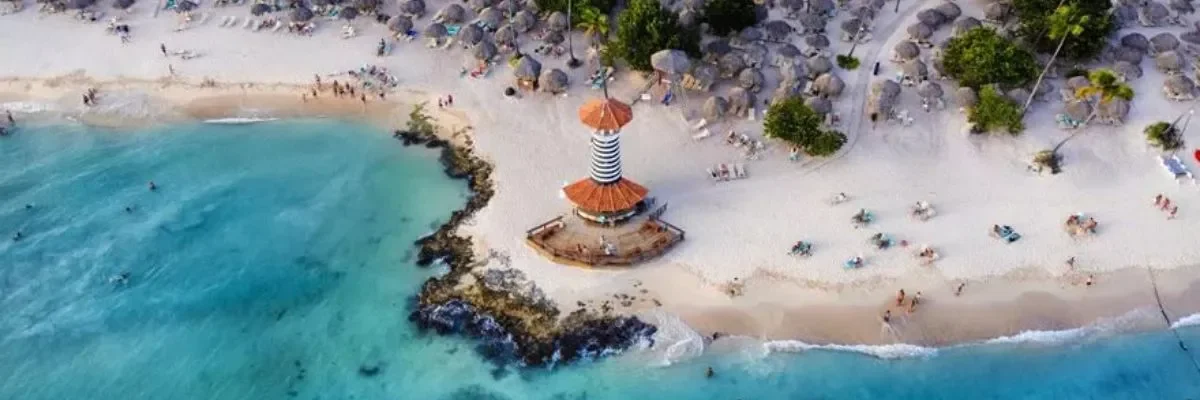
Framed by coconut palms and lush greenery, Bayahibe Beach is one of the most peaceful corners of the Dominican Republic. Located in the south-east of La Romana province, just two kilometres from the fishing village that shares its name, this Caribbean haven is ideal for travellers seeking calm, nature and authenticity.
Its warm waters, gentle waves and powder-white sand have earned Bayahibe a reputation as one of the best beaches in the region — perfect for unwinding as a couple, with friends or as a family.
Things to do in Bayahibe Beach
Bayahibe offers far more than sunbathing or a leisurely swim. Its wide range of activities allows visitors to enjoy both the sea and the surrounding natural landscape.
Diving and snorkelling
Bayahibe’s seabed is alive with colour and biodiversity. Diving or snorkelling here reveals starfish, rays, cuttlefish and schools of tropical fish gliding through crystal-clear waters. It’s one of the best spots for beginners to discover the magic of the Caribbean underwater world.
Fishing in Bayahibe
Fishing has always been part of Bayahibe’s identity. Today, visitors can experience it first-hand on organised trips with local fishermen. The day’s catch often features on the menus of nearby seaside restaurants, bringing the town’s maritime heritage straight to the table.
Underwater museum
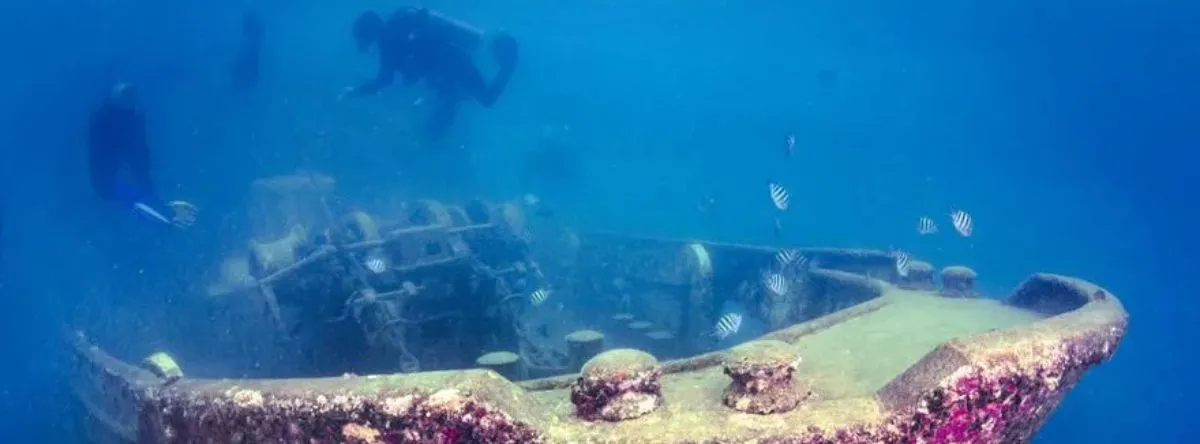
Off the coast lies a unique underwater archaeological reserve featuring replicas of 17th- and 18th-century shipwrecks inspired by tales of pirates like Captain William Kidd. Diving among anchors and cannons offers a fascinating way to immerse yourself — quite literally — in the history of the Caribbean.
Hiking and caves
For those who prefer to stay on land, the Padre Nuestro trail and Cueva del Puente are excellent options. The latter preserves ancient Taíno carvings, offering a captivating glimpse into the island’s earliest inhabitants and their culture.
The charm of Bayahibe village
The village of Bayahibe perfectly complements the beach. Wandering through its colourful streets, you’ll find small shops, brightly painted houses and a welcoming atmosphere that reflects everyday Dominican life. Unlike the larger resort areas, Bayahibe retains an authentic, laid-back charm.
Watching fishermen return with their daily catch or families chatting in the main square gives visitors a genuine sense of the Caribbean’s warm spirit.
Shopping and crafts in Bayahibe
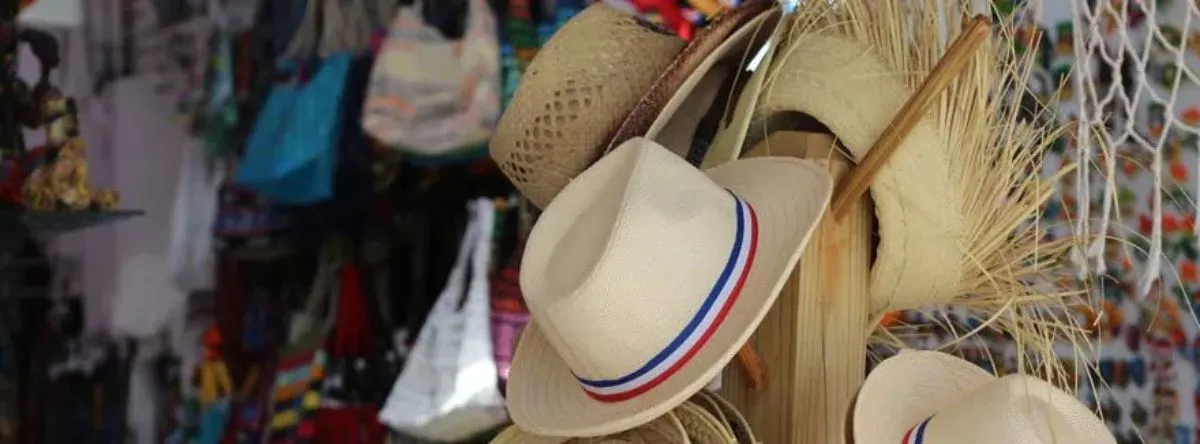
Bayahibe Beach is dotted with small craft shops and studios offering handmade souvenirs:
- Amber and larimar jewellery, crafted from semi-precious stones unique to the Dominican Republic.
- Spices and local delicacies, such as vanilla extract, cinnamon, jams and traditional sweets — perfect gifts that capture the island’s flavours.
- Leather goods and textiles, all handmade by local artisans.
Shopping in Bayahibe is a way to support the local community while taking home a keepsake with true Dominican soul.
Eating in Bayahibe Beach
Gastronomy is another highlight of the area. The local offer ranges from elegant restaurants to beach bars serving simple yet delicious dishes.
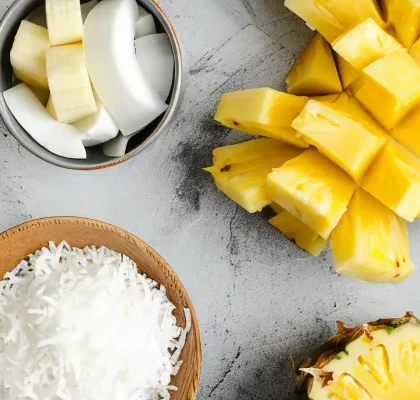
Fresh lobster and fish take centre stage, often accompanied by tropical fruits such as pineapple, mango and papaya. For dessert, coconut and milk-based sweets are local favourites.
Dining in Bayahibe is a celebration of Caribbean flavours — every dish telling the story of the sea and land that sustain it.
How to get to Bayahibe Beach
Knowing where Bayahibe Beach is located is easy: it lies in the province of La Romana, about 66 kilometers from Punta Cana. The drive takes approximately one hour via the Coral Highway.
For those staying at resorts in Bávaro, organizing a full-day excursion is both convenient and straightforward. Bayahibe’s location makes it an ideal destination to combine resort relaxation with a cultural and nature-focused outing.
Excursions from Bayahibe
Bayahibe is also the departure point for some of the Dominican Republic’s most stunning excursions:
- Saona Island, with its untouched beaches and turquoise waters.
- Catalina Island, quieter and much loved by divers.
- Cotubanamá National Park (Parque Nacional del Este), a protected area with mangroves, caves and abundant wildlife.
These trips make Bayahibe a strategic base for exploring the natural beauty of the southern coast.
Nearby beaches
Those with extra time can explore other beaches in La Romana province, each with its own character and appeal:
- Dominicus Beach, awarded the Blue Flag for its pristine waters and excellent facilities.
- La Laguna Dominicus, quieter and ideal for those seeking peace and seclusion.
- La Romana and nearby coves, offering a mix of family-friendly spots and livelier beach scenes.
Each complements the Bayahibe experience and offers new perspectives on the Dominican coastline.
Where to stay to visit Bayahibe Beach
From Punta Cana, organizing an excursion to Bayahibe Beach, located in the neighboring province of La Romana, is easy and convenient. Less than an hour’s drive away, this beach is the perfect complement to a resort stay for travelers looking to combine relaxation with new cultural and natural experiences.
If you are looking for accommodation in Punta Cana, the Lopesan resorts in Playa Bávaro offer the chance to enjoy Caribbean exclusivity and comfort without giving up unforgettable experiences beyond the resort. Properties such as Lopesan Costa Bávaro Resort, Spa & Casino, Lopesan Caoba Lagoon, Lopesan Splash Cove and Lopesan Serenity Bay strike the perfect balance between beachfront relaxation and a strategic location for excursions to destinations like Bayahibe, adding a cultural and natural dimension to your vacation in the Dominican Republic.
A truly unique experience
Bayahibe blends unspoilt nature, vibrant local life and access to unforgettable excursions. Strolling through its colourful streets, tasting freshly caught fish or sailing to nearby islands turns a simple beach day into a lasting memory.
For visitors coming from Punta Cana, it offers a slower rhythm and a glimpse of a more authentic Caribbean — a place where calm seas, local culture and nature come together in perfect harmony.