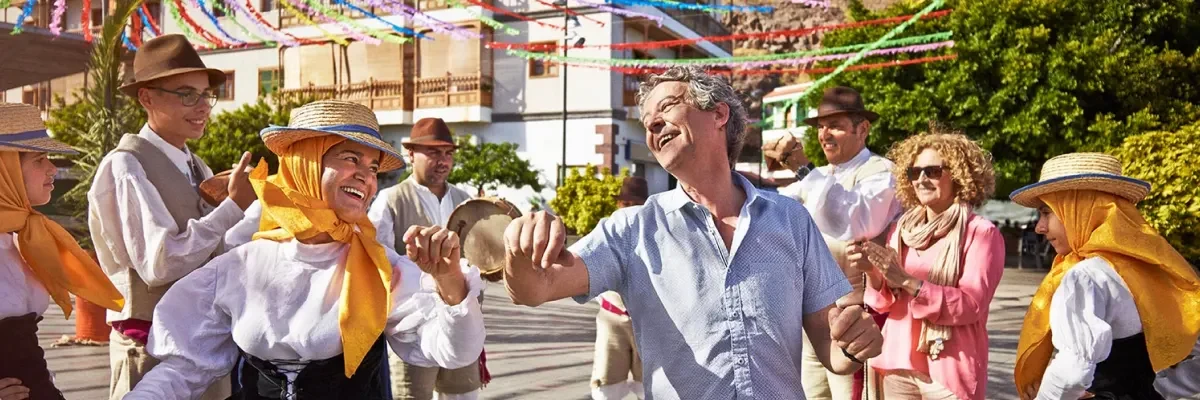
Every 30th May, the Canary Islands celebrate a very special occasion: Canary Islands Day. This day commemorates the first session of the Canary Islands Parliament in 1983, an event that marked a significant milestone in the archipelago’s history. Beyond being a historical celebration, Canary Islands Day has become a day of pride and remembrance for all Canarians; 30th May in the Canary Islands is a day to strengthen and celebrate the island identity.
Why is it celebrated on 30th May?
Canary Islands Day is celebrated on 30th May because it was on this date in 1983 that the Canary Islands Parliament first convened. The choice of this day for the official celebration of the Autonomous Community is closely linked to the approval of the Statute of Autonomy on 10th August of the previous year. Rather than choosing a historical date from the distant past, a contemporary date was selected, considering that the beginning of the Parliament’s legislative activity was the most significant event in the recent history of the Canary Islands.
The establishment of the Canary Islands Parliament marked a crucial moment in the archipelago’s history, as it represented the consolidation of a self-governing administrative system and the ability to make important decisions at a local level. This day celebrates not only administrative autonomy but also the rich culture and traditions that make this region unique. For Canarians, the 30th May holiday is a time to reaffirm their identity, celebrate their achievements, and proudly share their customs and values.
How Canary Islands Day is celebrated
Curious about the activities on Canary Islands Day? This public holiday is filled with cultural and festive events that highlight the islands’ rich heritage and traditions.
Traditional Canarian music
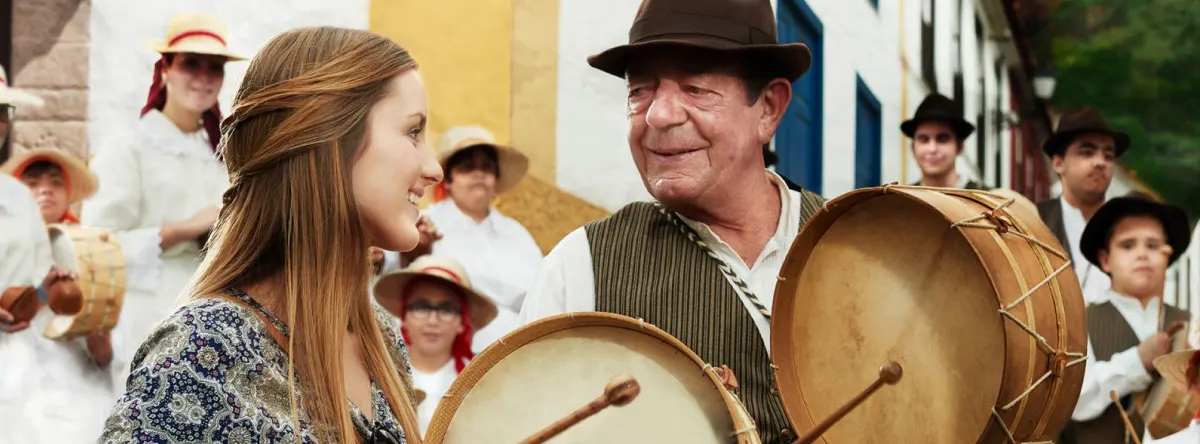
On Canary Islands Day, the streets of the islands come alive with activities, and traditional Canarian music concerts are a key part of the celebration. These events feature typical instruments such as the timple and chácaras, with performances of folk songs and dances. Among the most notable dances are the Isa, Folía, Seguidilla, and Malagueña.
The traditional Canarian costume
The traditional Canarian costume is an essential part of the cultural identity of the archipelago and plays a prominent role in the Canary Islands Day celebrations. These costumes reflect the history and traditions of the different islands, and wearing them during festive events is a way to keep cultural heritage alive. Originally, these outfits were the everyday clothing of the island inhabitants, but over time, their use has been reserved mainly for special occasions, festivities, and folk events.
The traditional Canarian costumes vary from island to island but share certain common elements. Women’s costumes typically include long skirts, embroidered blouses, and shawls, while men’s outfits feature waistcoats, short trousers, and hats.
Wearing the traditional costume on Canary Islands Day and other festivities is not only a tribute to the history and traditions of the islands but also a way to reinforce Canarian identity and pass it on to future generations. These costumes are symbols of pride and belonging, and their creation and use are imbued with cultural significance.
Canarian cuisine
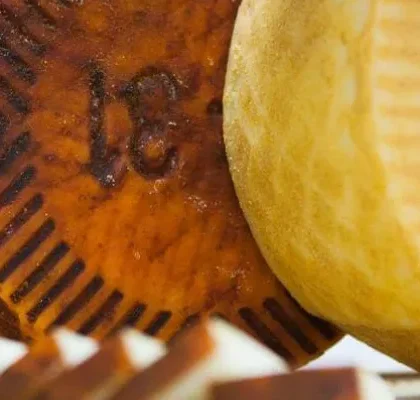
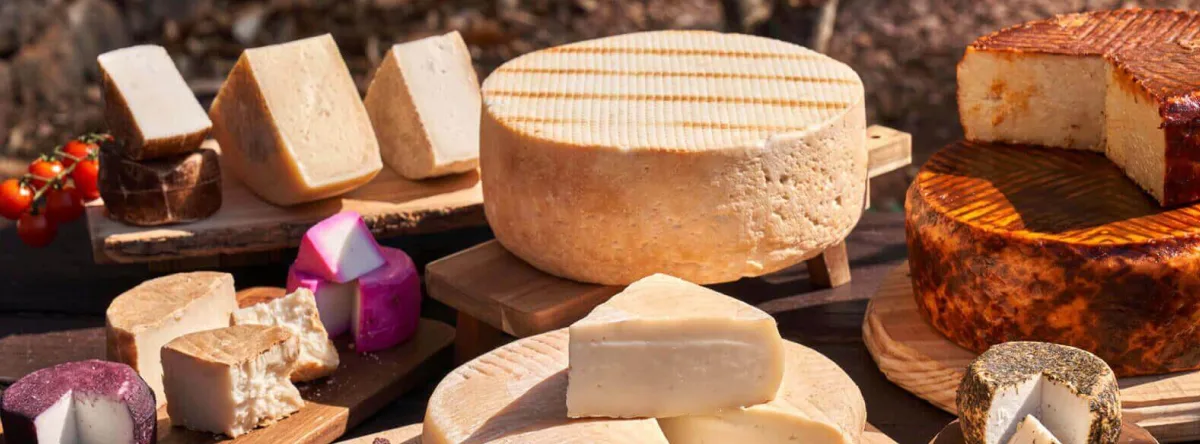
Gastronomy is also a form of celebration, and traditional dishes such as papas arrugadas with mojo, sancocho, gofio, and local cheeses can be found on this day at fairs, culinary events, and family gatherings.
Local markets
Local markets are a key part of Canary Islands Day celebrations and provide an opportunity to share local crafts and produce. During this holiday, you can find typical products and souvenirs at markets like the Mercadillo de la Recova in Santa Cruz de Tenerife, the Mercadillo de Tegueste, and the Mercadillo de Vegueta in Las Palmas de Gran Canaria.
These markets, which usually operate on a regular basis, come to life with additional stalls and special activities during Canary Islands Day, highlighting the culture and traditions of the islands.
Traditional sports and games
Canary Islands Day is a showcase for the islands’ deeply rooted traditions, where native sports and games come to life in celebrations full of entertainment and excitement.
Palo Canario game
The Palo Canario game is a traditional sport that has been practised on the islands since ancient times. It involves a one-on-one combat using a long wooden stick, with three variations: Palo Grande or Garrote, Palo Medio or Vara, and Palo Chico or Tolete. The participants, known as “players,” try to knock down their opponent with skill and dexterity.
Canarian wrestling
Canarian wrestling is the most popular indigenous sport in the Canary Islands. It is a form of wrestling that dates back to the native Canarians, where two competitors, called “wrestlers” or bregadores, attempt to topple their opponent using “mañas” (also known as “arte” or “geito”), and unbalance them to make them touch the ground with any part of their body (except for the soles of their feet). Canarian wrestling is practised in a terrero, a type of circular sand arena where the matches take place.
Traditional games
In addition to the more well-known sports, Canary Islands Day is also an opportunity to enjoy traditional games. These include lucha del garrote, salto del pastor, levantamiento de arado, calabazo, and bola canaria, among others.
Canary Islands Day is a day of celebration and sharing, where people of all ages come together to honour and enjoy the rich traditions and culture of the islands. With a wide range of activities from indigenous sports to cultural and culinary events, there is something for everyone in this unique celebration. If you want to experience this celebration firsthand and are looking for accommodation in the Canary Islands, Lopesan Hotel Group offers the chance to enjoy Canarian hospitality and an unforgettable holiday. Come and celebrate with us!