Would you like to dive into the depths of Fuerteventura and discover its volcanic past? This is undoubtedly an appealing idea. And one that you can fulfil if you decide to visit Cueva del Llano.
More than a million years old, it is considered to be one of the oldest volcanic tubes in the entire Canary Islands archipelago. To get to this geological wonder, you have to travel north to the town of Villaverde, in the municipality of La Oliva.
History of Cueva del Llano
As one might expect, the history of Fuerteventura’s Cueva del Llano is a long one. It was formed after the eruption of the Escanfraga mountain and contains a wealth of history and culture of incalculable value. The cave is 650 metres long, of which 450 metres can be visited.
The last section is inaccessible due to the sediments that have filled it in over thousands of years. This has left a rich fossil record, which is of great geological importance for understanding the history of the formation of Fuerteventura. It is also important for knowing the climate of the island in ancient times.
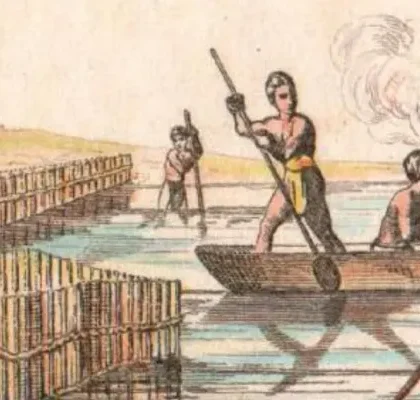
Cueva del Llano has been a natural refuge for the island’s inhabitants for centuries. The aborigines took advantage of its protection from the elements and inclement weather. There is evidence of human occupation dating back more than 1500 years.
This volcanic tube was also a place of worship and religious ceremonies for the Majos. This has left not only a rich archaeological heritage, but also legends and folk tales that have been passed down through the generations.
Inside Cueva del Llano
Inside Fuerteventura’s Cueva del Llano, there are many stalactites and stalagmites, rock formations that hang from the ceiling or come out of the ground. These have taken on strange shapes over the years, resembling animals and other recognisable objects.
As you step inside, you will find yourself in a world of magic that will surprise you with its impressive visual spectacle. Throughout the visit, you will have the opportunity to explore different rooms and galleries.
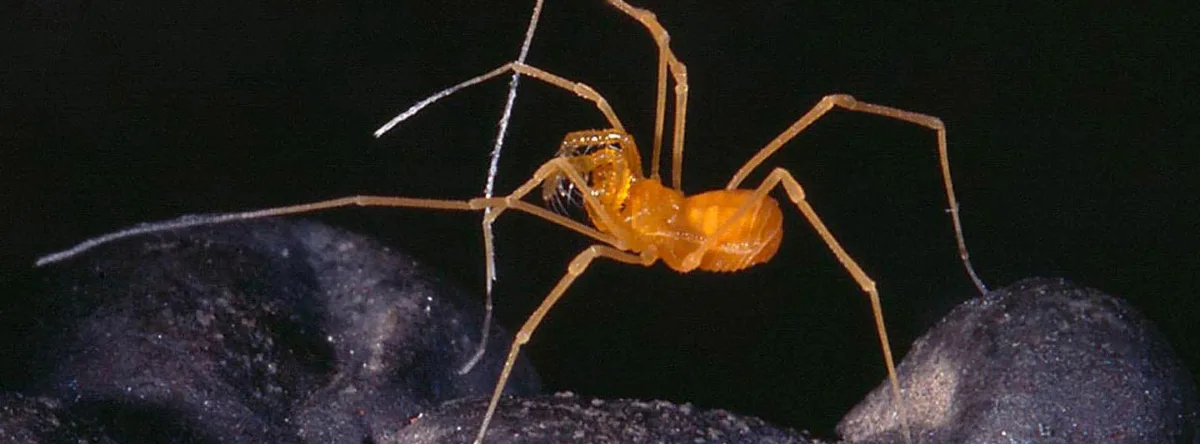
One of the curiosities of this thousand-year-old cave is that it is home to a species that is unique in the world and can only be found here. It is the yellow Maioreus randoi spider, which has no sight because it is completely adapted to the shade and the underground. This arthropod is threatened with extinction.
Other formations such as columns, stone waterfalls and calcite curtains, whose spectacular nature will amaze you, can be seen along the route that you can follow during your visit. The strategic lighting of the cave is worthy of note, as it creates a surreal atmosphere with the colours and textures of the rock formations.
Right at the entrance, where the visit begins, there is a large deposit of fossilised bones belonging to the so-called Malpaís mouse, a rodent very common in Fuerteventura and Lanzarote. There are also bones of other species such as the Canary Island shrew and the mojonera mullet.
This deposit was formed by the regurgitation of birds of prey and is the palaeontological site with the highest concentration of bones in the Canary Islands.
Interpretation Centre
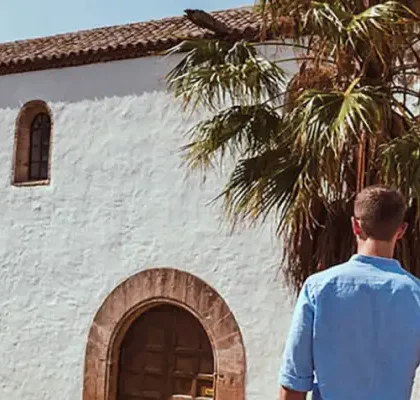
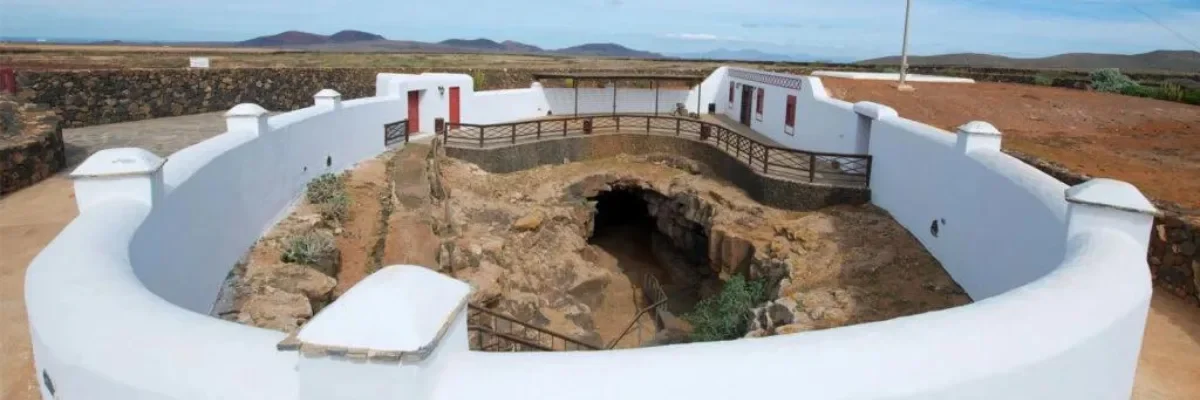
The Cueva del Llano visitor centre is located in an old building nearby. Before visiting the interior of this volcanic cave, it is advisable to visit the exhibition that the centre organises for its visitors.
This will provide you with a better understanding of the origin, history and nature of everything you will see. In an educational and entertaining way, you will learn all the facts about the island’s fauna, the richness of its soils, the formation of the cave and the keys to the formation of Fuerteventura, the oldest of the Canary Islands.
Visiting this interesting museum will allow you to discover all the geological diversity of Fuerteventura. You will be surprised to learn that the Maxorata is one of the few places in the world where plutonic rocks can be found on the surface.
Cueva del Llano opening times and prices
This cave and its interpretation centre are open to the public without restriction and free of charge. Access to the interior is not recommended for people with mobility problems, as some areas have irregularities such as steps that are difficult to negotiate.
The volcanic tube is currently closed for safety reasons and only the interpretation centre can be visited. In any case, under normal conditions, the tour inside the cave lasts approximately one hour. It is also safe, as there are walkways and lighting systems that make it easy to walk through.
It is a good idea to make a reservation in advance, as this is a very popular place and there is a huge influx of visitors, especially during the high season. To get the most out of your visit, you should be joined by one of the guides who work here. They are well trained to answer all your questions and show you some interesting sights that you might not be able to see on your own.
Cueva del Llano is a must when you visit Fuerteventura, as a visit to this cave will allow you to learn about the origins and history of the island. If you book your accommodation with the Lopesan Hotel Group, you will have easy access to this and other tourist attractions on the island.