Finaos Day is celebrated on 31 October in the Canary Islands. This popular festival is the local prelude to All Saints’ Day and has a long tradition in the archipelago. The word “finao”, which means “deceased”, refers to those who have passed away and to whom special tribute is paid on this special day. A festival that seemed to be dying out, but thanks to the memory of the elderly and the support of cultural associations and institutions, it is coming back to life. If you visit the islands, you can enjoy a unique and different event.
Origin of the Finaos
Legends and traditions surround the origins of the Finaos in the Canary Islands. There are two stories, hundreds of years old, that have come together to form the current celebration of their special Day of the Dead. Both come from outside the islands, but have become part of one of their oldest traditions.
The Celtic and Berber custom of Samhain is the basis of this special night. This day of family reunion has a mystical component. During the celebration, the deceased are remembered by leaving food at the door of the house and opening the windows so that they can pass into the world of the living.
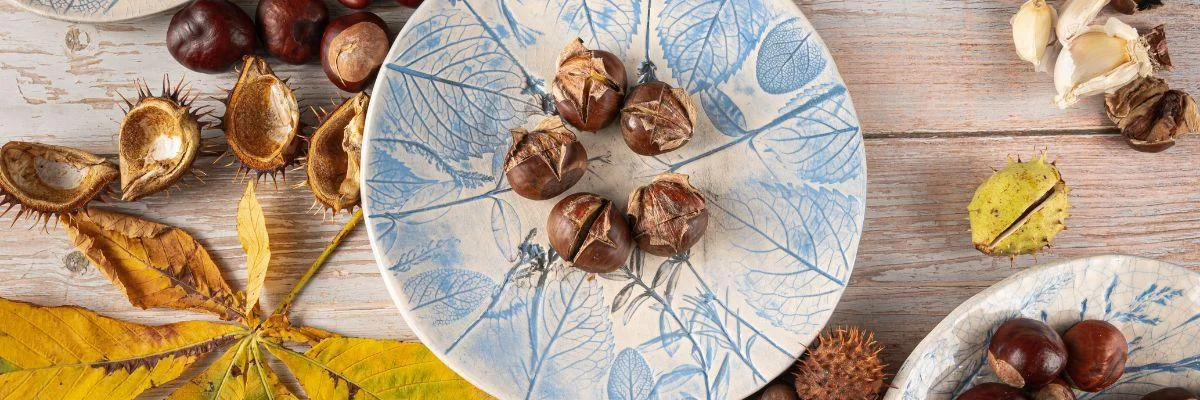
These rites are combined with a tradition from the north of Spain, the Magosto. In Galicia, Asturias and Cantabria, a bonfire is lit to commemorate the dead, accompanied by chestnuts.
The day of the Finaos is built around both. The island’s families gather around a bonfire to enjoy a tasty and generous family meal, the elders tell stories and anecdotes about those who are no longer here, while chestnuts and other nuts are roasted on the fire.
Getting ready to celebrate
The traditional preparations for the Finaos in Gran Canaria begin in the late afternoon. This is the time when families gather and the youngest children go out to ask the neighbours for the little saints.
This tradition, similar to trick-or-treating, consists of visiting the houses in the neighbourhood, knocking on the door and asking if there are any saints. In return, the homeowners give them chestnuts or almonds to take to the family celebration.
When the meal is ready, it is time to enjoy it before giving way to the celebration of the lives of those who are no longer with us. The latter lasts as long as each family wants, and some families go on until the early hours of the morning, combining it with All Saints’ Day and ending with a visit to the cemetery.
In some parts of the island it is common to take to the streets to celebrate with the whole village. It is a way of building community and sharing memories. This is where the “parrandas” come in. These are local music groups that create atmosphere and fun. At this festival, they take to the streets to fill them with song and dance before each family gathers for dinner.
The Finaos bonfires
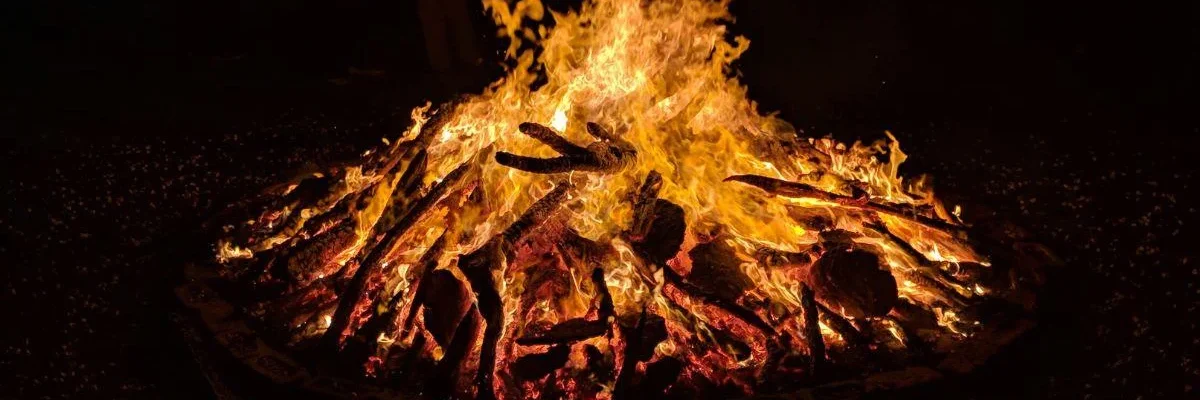
One of the special features of the Finaos festival is the bonfires. These bonfires, used by Celtic druids to appease the spirits during Samhain, have their own special place in the festival. They are the focal point of the lighting and the stories of the dead are told around them.
This part of the tradition is one of the most lost and few households still have it. Despite this, attempts to revive the festival are focusing on these customs, so that the day can regain all its splendour.
Linking past and present
All these traditions have been somewhat forgotten with the arrival of the American holiday of Halloween. The santitos have suffered a decline in favour of trick-or-treating, and the bonfires and “parrandas” are less and less present.
But many towns and public institutions are trying to keep the tradition alive and reclaim its origins. In Vegueta, a district of Las Palmas de Gran Canaria, for example, it is one of the biggest days of the year when the streets fill with people eating chestnuts and almonds.
Towns such as Telde, also in Gran Canaria, take to the streets to dance and have fun to the rhythm of the “parrandas”, spending a great night out in the community. Other places, such as Santa Cruz de Tenerife, organise handicraft markets with exhibitions related to the day and its customs, or in Lanzarote there is a theatre performance during these days.
These celebrations, which seek to reclaim a festivity with a long history, are changing every year, with more and more towns and villages taking part. The aim is to revive local traditions to counter those from outside. This is done by promoting memory and telling stories through theatres and exhibitions that show the origins of this celebration and the relationship of the Canary Islanders with death throughout history. When you are in the Islands, you will discover a fascinating world.
The Day of the Finaos is a typical celebration in the Canary Islands, held on the 31st of October, with the aim of remembering those who are no longer here. More and more towns and villages are organising events to commemorate and raise awareness of the origins of this fiesta. So if you are on holiday on these dates, be sure to share this day and enjoy the events that take place around it.
If you are staying in Gran Canaria at this time of year, we invite you to enjoy a unique and different celebration on the eve of All Saints’ Day, a very Canarian Halloween.