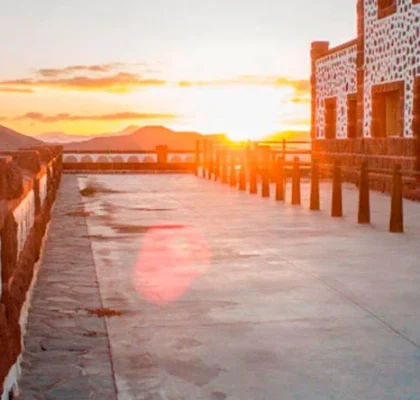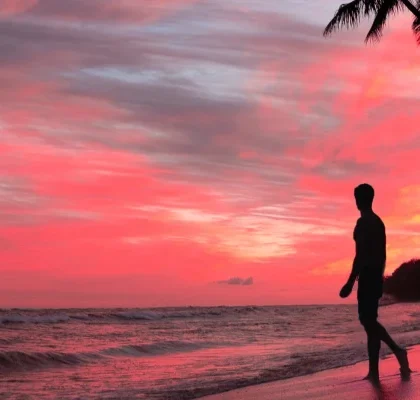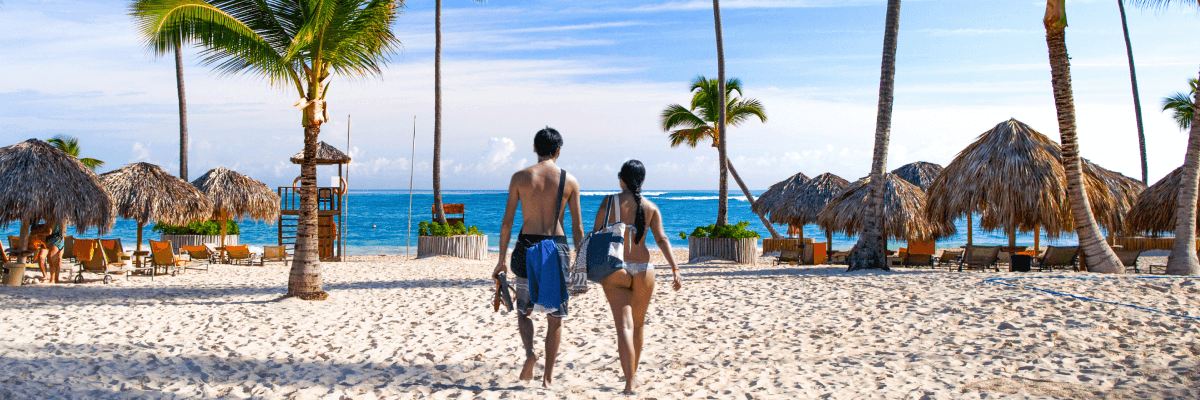
If you’re thinking of Dominican Republic vacations, you’ll know that particular light — the kind that slips through long palm fronds. One glance is enough to feel the pace shift.
A trip to the Dominican Republic comes with a change of pace. Beach time sits alongside days that are fuller: history in the capital, local food that tastes of the island, and stretches of nature that pull you inland for a few hours. This guide is a practical way in — the places people return to, what they feel like on the ground, and how to plan without trying to fit everything in.
Destinations that shape the break
Different regions deliver different versions of rest. Choosing where to base yourself is really choosing the kind of days you want.
Playa Bávaro and Punta Cana
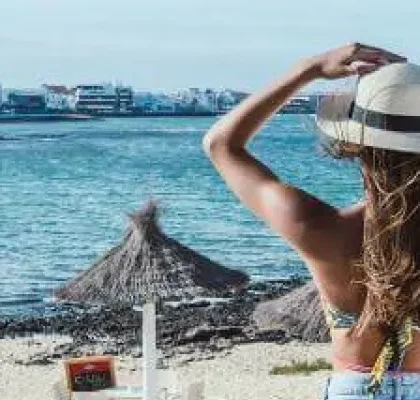
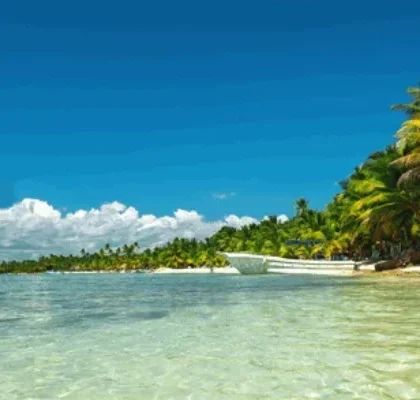
Playa Bávaro is where the Caribbean postcard becomes real. Coral reefs soften the water close to shore, the coastline is long and easy to walk, and early mornings are made for quiet strolls along the sand. If you want more movement, there are boat trips and day excursions, but it’s also a place where doing very little feels like a plan.
Santo Domingo’s Colonial Zone
Santo Domingo adds depth to the picture. The Colonial Zone isn’t only about museums; history is built into the limestone façades, inner courtyards and cobbled streets. It’s the oldest European-founded city in the Americas, but it doesn’t feel frozen in time — there are galleries, cafés and small squares that fill up as the day cools.
Getting around and understanding distances on the island
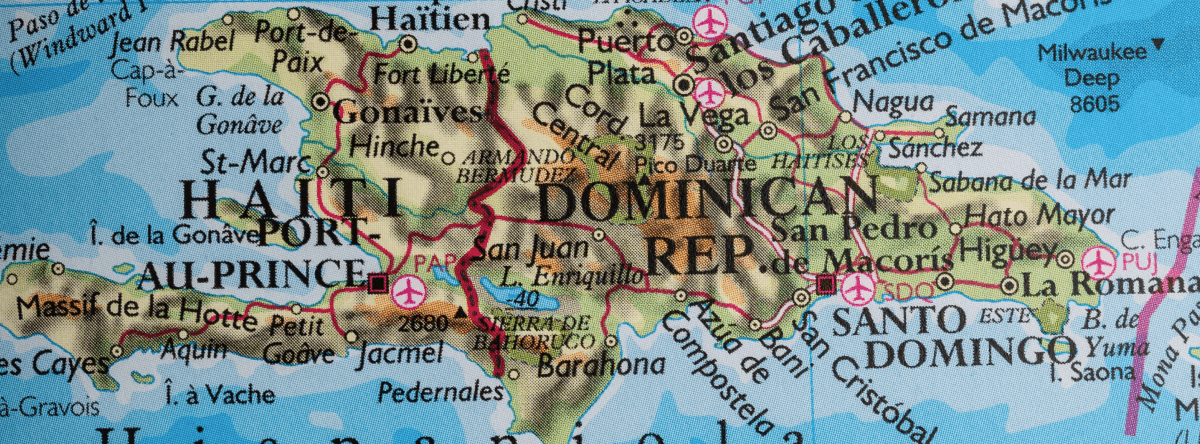
The island isn’t huge, but journeys can take longer than the map suggests, and the pace on the road is part of that.
Punta Cana, Santo Domingo and Samaná are linked by decent roads, yet transfers need time and a bit of patience. Many travellers either book excursions through their accommodation or keep things simple by focusing on one region, taking it properly rather than hopping between coasts.
Food shaped by land and sea
Dominican cooking tends to be generous and straightforward, rooted in what the island produces.
Seafood is a constant, but so are dishes such as sancocho, a slow, hearty stew that’s often treated as a national symbol. Coffee is another local marker — grown in the mountain regions, strong, aromatic, and often tied to that quieter part of the afternoon.
Meals rarely feel rushed. People linger. Conversation stretches.
Untamed landscapes beyond the coast
Move away from the shoreline and the country changes quickly. Rivers, forests and protected areas sit closer than you’d expect.
On the Samaná Peninsula the landscape becomes more dramatic, with mountains dropping towards the sea. Between January and March, humpback whales gather in these warmer waters. Inland, the Damajagua waterfalls offer a different kind of day out, while Los Haitises National Park is all mangroves and limestone formations that feel almost prehistoric.
Craft, local detail and small treasures
The Dominican Republic also shows itself in what people make.
Larimar is one of the most distinctive finds — a semi-precious stone mined only in a small part of the southwest, with turquoise tones that echo the sea. No two pieces are the same, which is part of the appeal.
Tobacco craftsmanship is another thread. Watching a skilled cigar roller work — the pace, the precision, the repetition — gives you a sense of a tradition built slowly over time. These smaller encounters often stay with you longer than the headline sights.
Tips for travelling well
A few basics make the experience smoother.
- When to go: It’s warm year-round, but December to April usually brings drier days and clearer light, which makes it an easy time to travel.
- Currency and pace: The Dominican peso is the official currency. In tourist areas, US dollars and euros are often accepted too. More important than the exchange rate is the local timing: things can take longer, and that slower tempo is part of the point.
- What to pack: Reef-safe sunscreen is a sensible choice, and if you plan to head inland, comfortable shoes are worth it — trails often end at rivers or waterfalls.
A destination that fits different travel styles
There isn’t one “right” way to travel to the Dominican Republic. The island lends itself to different kinds of trips.
Couples often come for the simplicity: sea, good food, and time that isn’t interrupted. Families tend to find it manageable — calmer waters on many beaches, activities that are easy to book, and accommodation set up for different needs. If what you want is a reset, the combination of open air and slower days does the job.
Staying in the heart of Playa Bávaro
In Punta Cana — and particularly on Playa Bávaro — where you stay shapes how the trip feels day to day.
Lopesan Costa Bávaro Resort, Spa & Casino opens directly onto the Caribbean, with architecture and planting that soften the edges between inside and out. Lopesan Caoba Lagoon Resort, Spa & Casino is defined by water features and lagoon spaces. Lopesan Serenity Bay Resort, Spa & Casino leans into quiet and open views. Lopesan Splash Cove Resort, Spa & Casino has a livelier feel that suits family travel.
The right base makes the island easier to inhabit.
The end of a trip, the start of a memory
In the end, choosing the Dominican Republic is choosing how you want to spend your time. After the beaches and the city streets, what tends to linger are the smaller moments — light shifting through the palms, a slow morning, the sense that the day doesn’t need to be packed.
Some trips end when you fly home. Others follow you back.