There are names that need no introduction: negroni, martini, old fashioned, daiquiri… Just hearing them is enough to know what we are talking about. The remarkable thing is not that they exist, but that they are still here, found on bars worldwide and in our collective memory decades after they were first created.
What do these drinks have in common? Why do some cocktails disappear while others become timeless classics? The answer lies partly in their history. Not simply as a list of dates and anecdotes, but as the evolution of taste, social rituals and the role of the bartender as creator. To understand that history is not to look back, but to make sense of what we drink today and why it still resonates.
From origins to the basic repertoire
Cocktail culture, as we know it today, began to take shape in the 19th century, when the art of mixing alcoholic drinks ceased to be a domestic or medicinal matter and started to be professionalised behind the bar. It was not an overnight change, but a gradual one: in just a few years, punch served in bowls gave way to individual cocktails prepared on the spot, with precise measures, ice, technique and careful presentation.
A key figure in this shift was Jerry Thomas, considered the first documented professional bartender and author of the first cocktail recipe book: How to Mix Drinks (1862). Thomas not only compiled recipes, but also elevated the role of the bartender, adding flair, method and style. His influence can still be felt today, thanks in part to historians such as David Wondrich, author of Imbibe!, a work that revives the cultural and social context in which those first cocktails became a phenomenon.
From that pioneering era came many of the principles that remain relevant: balance between ingredients, precise measurement, attention to service and the importance of ice as part of the recipe. Out of these building blocks grew a repertoire of cocktails that, in time, came to be seen as classics. Some have changed names or been adapted to modern palates, but the backbone —that technical and sensory structure— is still recognisable.
A legacy with a name: cocktails that made history
The history of classic cocktails cannot be understood without its protagonists: those drinks that, through balance, origin or cultural impact, have become icons. Some were born in storied hotels; others in anonymous bars that ended up setting trends. All share one thing: they outlasted time, fashion and borders.
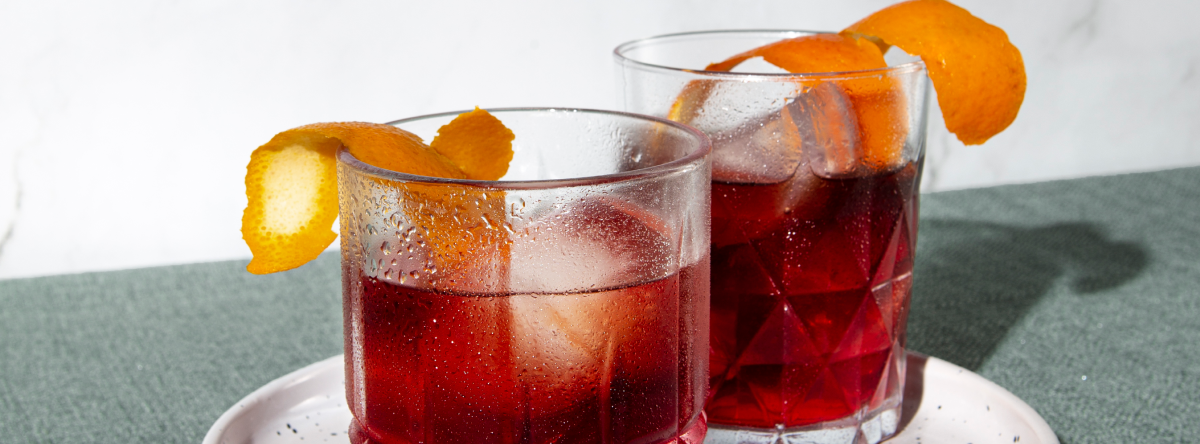
Classic cocktails such as the negroni and the old fashioned are still found in bars around the world, decades after their creation.
Old fashioned
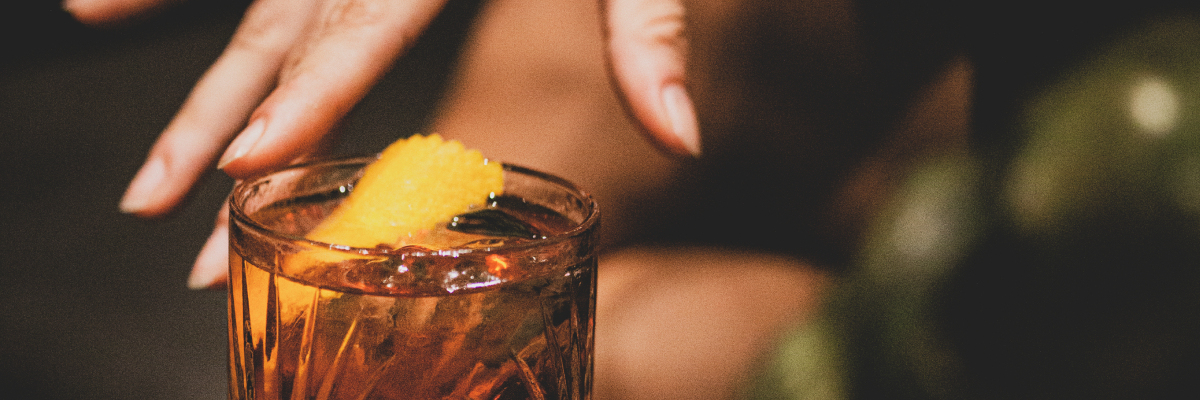
The old fashioned is regarded as one of the first recognisable cocktails. Its recipe is simple —whisky, sugar, bitters and a splash of water— but the structure it established became the foundation for much of what followed. Its name refers to the “old-fashioned” way, when mixing just three ingredients was synonymous with balance and restraint. Today it remains one of the most popular choices for those who appreciate the essentials.
Daiquiri (and Hemingway)
The daiquiri’s story takes us to Cuba, where it emerged as a mix of white rum, lime and sugar. Its most famous —and literary— version is the one Hemingway ordered at El Floridita in Havana: no sugar and a double measure of rum. The writer helped spread the cocktail’s fame, which over time evolved into frozen or fruitier versions, but without ever losing its refreshing essence.
Negroni
The negroni dates back to 1920s Florence, when Count Camillo Negroni asked for his Americano to be strengthened with gin. The result was an intense, bitter and elegant drink that today boasts its own fan club and countless variations. Its structure in equal parts (red vermouth, Campari and gin) makes it easy to remember but hard to replicate without losing its punch.
Dry martini
The dry martini is one of the 20th century’s most iconic cocktails. Its origin is disputed —New York, London, San Francisco— but its impact is undeniable. The combination of gin and dry vermouth has been reinterpreted endlessly, and its style has set the tone for decades. It has been a symbol of elegance, precision and restraint, with admirers ranging from Churchill to James Bond.
Bloody Mary
A cocktail unlike any other. Made with vodka, tomato juice and spices, the bloody Mary has become a staple of brunch and the post-party ritual. Its history is murky, with likely origins in Paris and Hemingway cited among its early enthusiasts. Its greatest achievement: remaining unique, recognisable and relevant a century later.
H3: Gin tonic
The gin and tonic’s history is as long as it is versatile. Born out of the medicinal use of quinine during the British colonial era, it has since transformed into one of the most popular and adaptable drinks. In recent decades, especially in Europe, it has flourished with the addition of botanicals, premium tonics and creative presentations. Simple at first glance, but full of possibilities.
Pisco sour
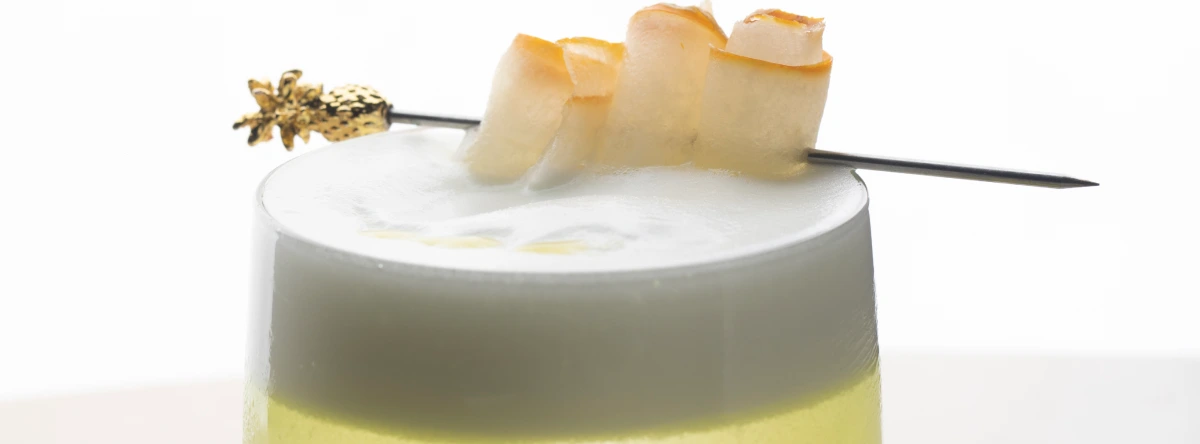
The pisco sour is defined as much by its recipe as by the rivalry between Peru and Chile over its origins. What is certain is that the cocktail has travelled far beyond its birthplace. Its balance of sharp lime, sweet sugar, boozy pisco and the frothy texture of egg white makes it a perfect aperitif. It is a drink that embodies identity, culture and technique, while suiting international tastes.
Piña colada
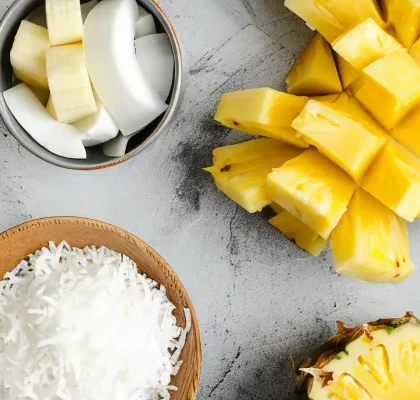
More recent and unmistakably Caribbean, the piña colada blends rum, pineapple and coconut in a recipe that evokes holidays, sunshine and relaxation. It is credited to hotel bartenders in Puerto Rico during the 1950s and 60s, and its popularity has endured thanks to its sweet, creamy character. In more exacting bars, it has been revived with fresh fruit and a refined touch.
Espresso martini
The espresso martini was created in the 1980s by Dick Bradsell in London, and has since evolved from a modern cocktail to a new classic. Its mix of vodka, coffee liqueur and fresh espresso makes it a natural choice as a digestif or a late-night pick-me-up. Rich, indulgent and stylish, it remains a firm favourite for those seeking a bold finish.
From the bar to the collective imagination: why they endure
There is no magic formula for a cocktail to become a classic, but there are certain factors that help: balance, structure, relative simplicity and the ability to work in different contexts. The cocktails that have lasted did so not just because of taste, but also versatility and their ability to fit the moment.
Most of these drinks serve a clear purpose: to whet the appetite, refresh, relax after a meal or accompany conversation without stealing the spotlight. Some have become more elaborate; others are served almost as they were a century ago. But all share a recognisable character that withstands the passing of time.
Cultural elements also play their part. Cinema, literature and music have reinforced certain cocktails as symbols of an era or lifestyle. The martini associated with Bond, the negroni as a European emblem, the bloody Mary as the brunch classic… they are part of a collective imagination that makes them familiar even to those who have never tasted them.
As Raimondo Palomba noted in his interview, there are no better or worse cocktails, only those more suited to the person, the place and the time of day. That flexibility is perhaps the key to their longevity. Classics adapt: they may vary in strength, presentation or ingredients, but their character remains intact. That is why they endure —not as relics, but as open formulas that allow reinterpretation without losing their essence.
Classics reinterpreted: the Lopesan approach
Classic cocktails do not need to be reinvented for the sake of it, but they can be adapted to the place where they are served. In the hotels of Lopesan Hotel Group, this adaptation is not seen as a passing fad, but as a way of doing things properly: using local produce, respecting the original recipe and considering the type of guest sitting on the other side of the bar.
Tropical fruits such as passion fruit, papaya and banana —grown on the Veneguera estate— bring flavour, texture and freshness to carefully reimagined versions of classic cocktails. A daiquiri made with freshly pressed pineapple needs no further creativity. A mojito prepared with mint picked that very morning gains in freshness, aroma and authenticity.
The key lies in balance: preserving the classic cocktail’s structure while tailoring it to a particular setting. It is not about adding exotic ingredients for the sake of it, but about giving pride of place to what is already close at hand, weaving it in sensibly and polishing the final result.
This approach also allows for a more direct connection with the guest. Someone who orders a familiar drink finds something recognisable, but also a subtle difference. And that difference —when it is well executed— is what turns a classic cocktail into a memorable experience.
Classic cocktail culture is much more than recipes: it is history, culture and lived experience. From the primordial old fashioned to the sun-soaked piña colada or the modern espresso martini, these drinks have endured because they offer structure, flavour and meaning.
At Lopesan Hotel Group this tradition is nurtured and reinvented without losing its essence. In Gran Canaria, for example, the Suru Cocktail Bar (Hotel Faro), the Bar Central (Costa Meloneras Resort & Spa) and the Nereo Cocktail Bar (Hotel Corallium Dunamar) stand out for reinterpreting classics —such as the old fashioned or the daiquiri— with local fruits, artisanal rums and refined techniques.
Elsewhere, at Baobab Resort, the Samuel Baker and Richard Burton bars provide elegant spaces to enjoy a gin and tonic or a refreshing classic after a day of sun and sea. And in Playa del Inglés, Abora Continental offers a more informal but carefully curated approach, with a cocktail menu served throughout the day.
In this way, the experience does not end with history: each drink, each bar, continues that story with local ingredients, expertise and setting. For those who value true classics (in both form and spirit) Lopesan Hotel Group offers more than one reason to raise a glass.