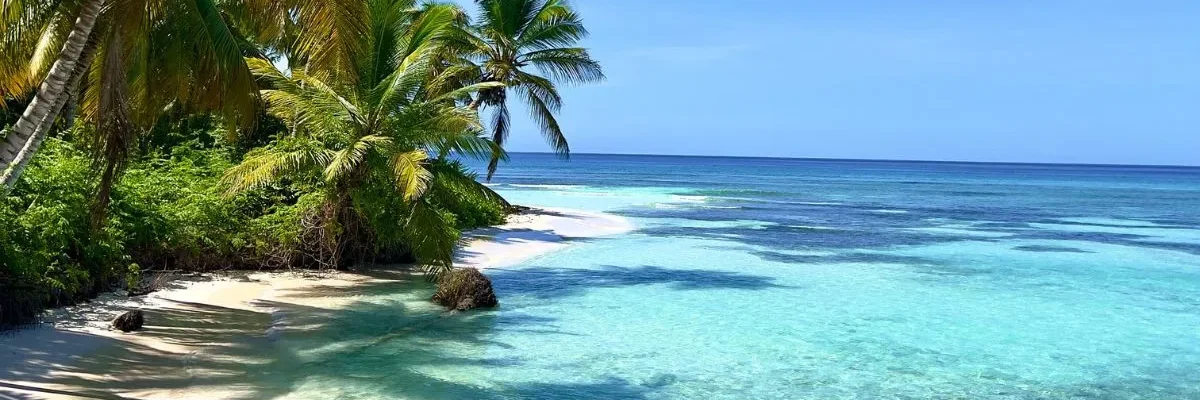
The Dominican Republic is a destination that wins hearts with its idyllic beaches — but beyond the sun and sand lie natural treasures that captivate lovers of adventure and biodiversity. One of them is Los Haitises National Park, a pristine sanctuary covering 1,600 km² on the country’s north-east coast.
Its Taíno name means “mountainous land” and refers to the mogotes — striking limestone formations rising up to 40 metres, shaped over time by wind and rain. The park stretches across parts of the provinces of Samaná, Monte Plata and Hato Mayor, weaving together tropical forests, mangroves and an astonishing diversity of marine and terrestrial species.
What to do in Los Haitises National Park
Los Haitises is a true paradise for nature enthusiasts and adventure seekers. Here are some of the best ways to enjoy your visit:
Visit the natural waterfalls
The park is home to several waterfalls, the most famous being El Limón, which drops an impressive 52 metres. You can reach it on foot in about an hour from the village of the same name, or by taking a scenic horseback ride. Other well-known cascades include Salto Alto and Salto del Guayabo. The walks to these are a little more demanding, but the natural beauty that awaits is well worth the effort. If you fancy doing it Indiana Jones style, make sure to wear comfortable shoes and plenty of sunscreen — the trails can be long, and the Caribbean sun intense.
Explore caves with ancient rock art
This region is famous for its caves adorned with prehistoric art, created by the island’s original Taíno inhabitants. You can still see their petroglyphs and pictographs, preserved on the stone walls. Cueva de la Arena is one of the most popular, thanks to its easy access from Sabana de la Mar harbour.
For a deeper dive into the area’s natural and cultural history, don’t miss Cueva de la Línea and Cueva de la Vaca, where rock formations and ancestral carvings come together in a spellbinding display.
The caves of Los Haitises: a journey through time
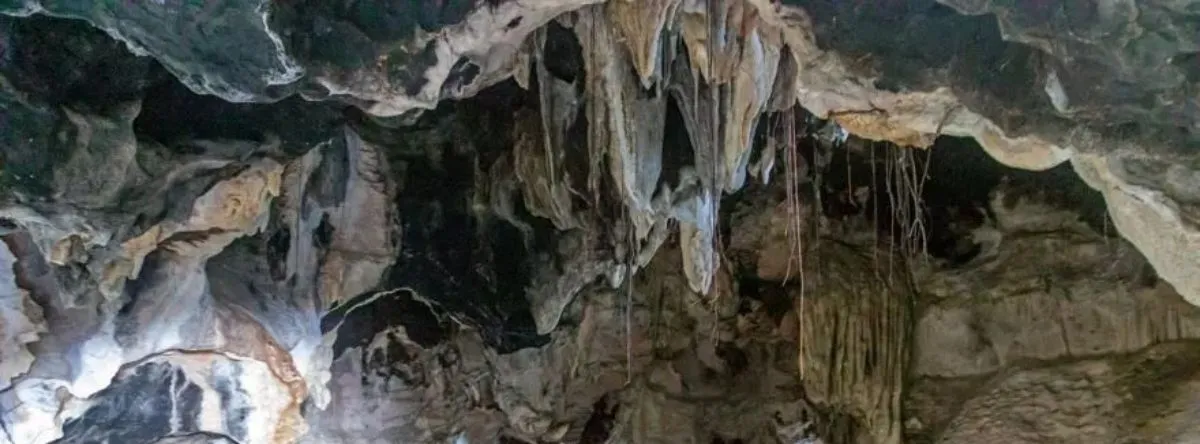
Beneath the park lies a labyrinth of caves that preserve an ancient legacy. These natural sanctuaries are home to centuries-old Taíno art and a wealth of geological formations.
The most famous, Cueva Fun Fun, combines hiking with caving, making it one of Punta Cana’s most thrilling adventures. Exploring it requires an experienced guide, as the route includes abseiling into underground tunnels and chambers.
Within this cave system (which extends for more than 28 kilometres) live fish, freshwater shrimps, insects, bats and birds that have inhabited these rocks for over 20 million years.
Exploring these caves is much more than a simple activity; it’s a journey into the island’s past, where history and nature intertwine to create an unforgettable experience for the adventurous.
Join a guided excursion
For a more complete experience and a deeper understanding of the park’s biodiversity and history, take a guided tour. There are options for all preferences, from walking routes to boat trips. Knowledgeable local guides will ensure you see the most fascinating corners in safety.
Boat tours through San Lorenzo Bay
A boat trip across San Lorenzo Bay is one of Los Haitises’ highlights. You’ll glide through mangrove forests and narrow channels, observing wildlife from the water. Along the way, you can visit small islets such as Isla de los Pájaros, a haven for seabirds.
Guides share fascinating stories and ecological insights during the trip, and the views are spectacular: a delight for photography lovers.
Kayaking routes
If you prefer something quieter and more independent, kayaking is ideal. Paddle through the mangrove channels at your own pace, immersed in nature’s silence. You’ll reach secluded spots inaccessible by boat or on foot, watching herons, pelicans and other wildlife along the way.
It’s a serene, truly sustainable way to experience the park’s wild heart.
Birdwatching paradise
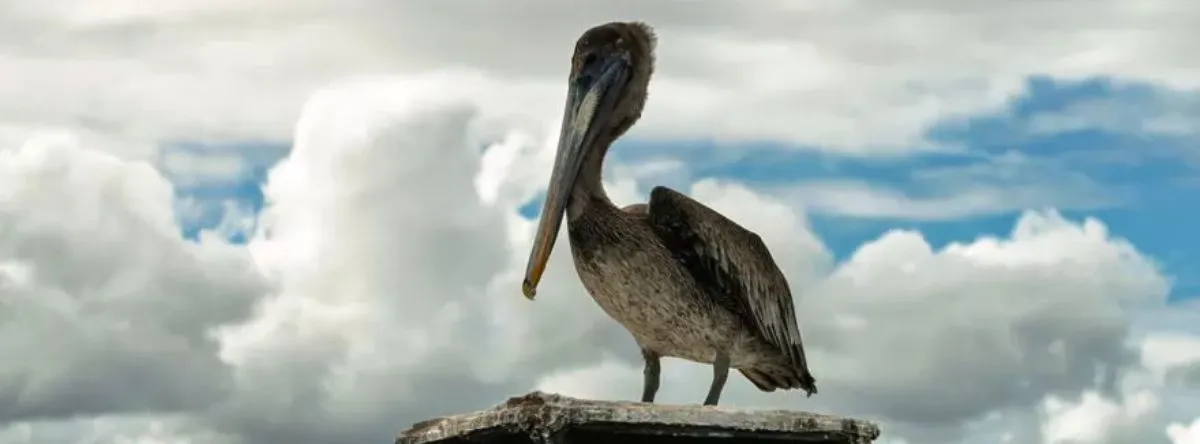
Los Haitises is home to more than 100 bird species, making it a must-visit for birdwatchers. Some are endemic to the Dominican Republic. Among the most common are pelicans, herons, ducks and cormorants, while birds of prey such as the peregrine falcon and the Hispaniolan hawk can also be spotted.
Bring binoculars for a closer look, and remember to stay quiet — the park’s magic lies in its peaceful coexistence between humans and wildlife.
Los Haitises: “mountainous land”
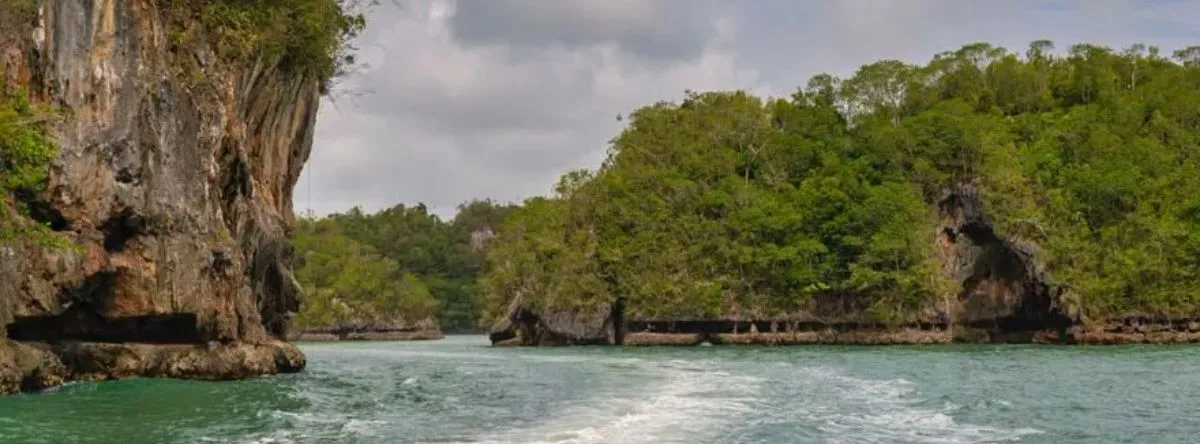
The crown jewel of the Dominican Republic’s natural parks, Los Haitises spans 1,600 km² and owes its name to the Taíno word for “mountainous land.” These 30–40-metre limestone hills, formed by erosion and the tropical climate, create one of the most striking landscapes in the Caribbean.
The cays around San Lorenzo Bay are home to countless species, including some endangered ones. As a coastal-marine reserve, the park shelters endemic, native and migratory fauna found nowhere else in the country — from the Hispaniolan hawk and Ridgway’s hawk to boobies, woodpeckers, herons and pelicans.
Flora and fauna: a living sanctuary
Los Haitises is one of the Dominican Republic’s greatest biodiversity hotspots. Its ecosystems are teeming with unique species, many found nowhere else on Earth.
Wildlife: a refuge for rare species
Among the park’s most emblematic inhabitants are:
- The manatee, a gentle marine mammal symbolic of the region.
- Dolphins, which often swim near the mangroves.
- The jutía, an endemic rodent living in the park’s forests.
- The solenodon, a rare insect-eating mammal considered a living fossil.
- Fishing bats, found in the park’s darker caves.
- Boas and geckos, which thrive in the tropical forest floor.
And of course, its skies are alive with birds: from herons and pelicans to endangered raptors.
Flora: a lush ecosystem
The park’s vegetation is just as rich as its wildlife. Among its highlights are:
- Red and black mangroves, their roots reaching deep into the water.
- Cedar trees, towering over the rainforest.
Orchids and tropical plants, brightening the trails with colour and fragrance.
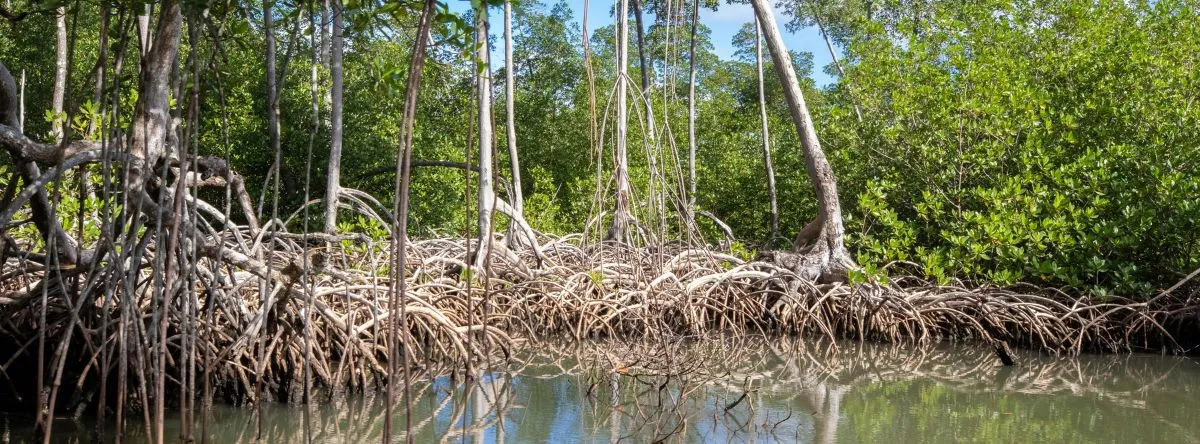
Exploring the park is a sensory experience: dense vegetation intertwines overhead, and the calls of birds echo across the mangroves. If you go kayaking, you’ll paddle beneath branches that create a natural green canopy.
Respect for this fragile habitat is vital: do not collect plants, disturb animals or leave litter. Protecting this environment ensures its beauty endures for generations to come.
How to get to Los Haitises National Park
Reaching this natural wonder is an adventure in itself. The best way is to travel to Samaná and take a ferry to Sabana de la Mar, a small coastal town that serves as the main gateway to the park.
From its harbour, you can embark on guided boat tours that weave through mangroves and across San Lorenzo Bay, revealing breathtaking views from the water.
If you prefer comfort, there are private transfers and organised excursions departing from Punta Cana, Santo Domingo and nearby areas, offering personalised routes with expert guides.
When to visit Los Haitises
The best time to visit is between December and March, when the weather is cooler and drier. You’ll also have the chance to see migratory birds passing through.
That said, the park is beautiful year-round. The summer months bring more rain, which only enhances the greenery — just bring light waterproof clothing and sturdy shoes.
Tips for your visit
To enjoy Los Haitises responsibly and comfortably, keep these key tips in mind:
- Dress appropriately: light, breathable clothing and good walking shoes are essential. Don’t forget sun protection.
- Stay hydrated: bring water and snacks for the journey.
- Respect nature: avoid touching animals or plants, and always take your rubbish with you.
- Safety first: wear a life jacket for water activities and follow your guide’s advice.
- Go with an authorised guide: they’ll help you uncover the park’s secrets safely and respectfully.
Discover Samaná
Los Haitises lies within Samaná, often called the Pearl of the Caribbean. Getting there from Punta Cana is quick and easy — in about an hour you can take a short flight and be ready to explore a landscape where nature reigns supreme.
Samaná’s year-round rainfall creates lush wetlands, rivers and waterfalls such as Salto del Limón, where crystal-clear pools invite you to swim.
And to crown your day, you can watch humpback whales migrating from the North Atlantic — around 3,000 to 3,500 of them each year — leaping and splashing in one of the world’s most beautiful bays, recognised by UNESCO as a haven for ecotourism.
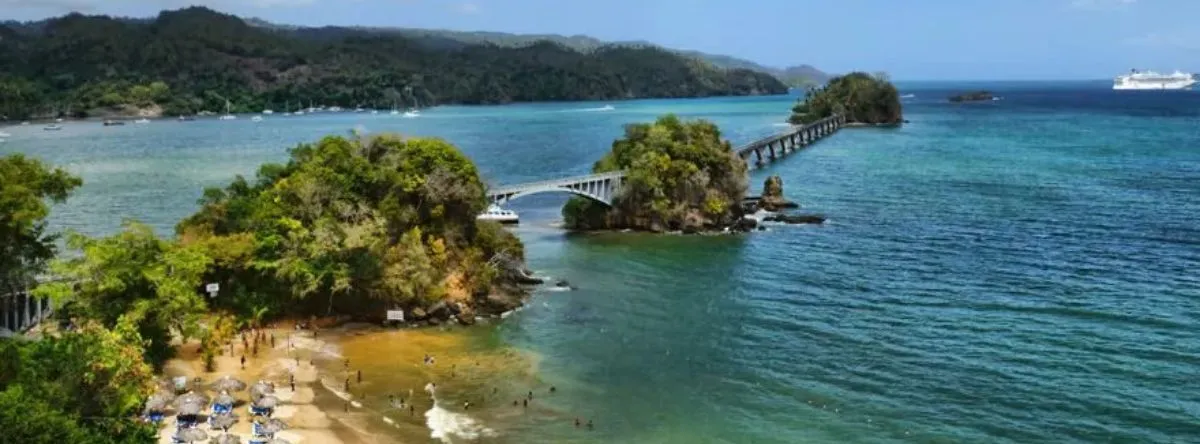
The natural treasures of Punta Cana
If you’re passionate about ecotourism, two other must-see spots await near Punta Cana.
Hoyo Azul, a cenote hidden within Scape Park, offers a refreshing dip in crystal-clear spring water, surrounded by rainforest and limestone cliffs. The journey there, across a suspension bridge and through orchid gardens, is an adventure in itself.
Then there’s Isla Saona, part of Cotubanamá National Park. Larger yet quieter than other tourist areas, it’s home to two small settlements — Catuano and Mano Juan, a fishing village where time seems to stand still.
Have you decided which excursion will be your first in Punta Cana?
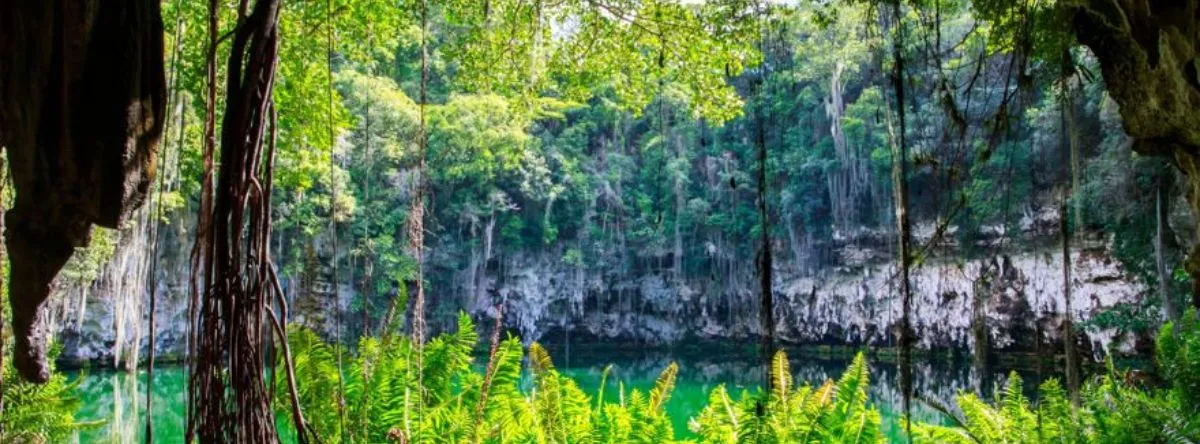
Your experience begins at Lopesan Costa Bávaro Resort, Spa & Casino
To make the most of Los Haitises and its surroundings, stay at Lopesan Caoba Lagoon, Lopesan Serenity Bay, Lopesan Splash Cove, and Lopesan Costa Bávaro Resort, Spa & Casino are the ideal places to stay. The resort offers the perfect balance of relaxation, adventure and comfort, making it the ideal base for exploring the island’s natural wonders.Whether you’re looking for rest or excitement, Lopesan Hotel Group provides an exceptional setting for a truly memorable stay.