The Dominican Republic is much more than white sandy beaches and crystal-clear waters. This Caribbean nation is a true cultural melting pot — born from Taíno, African and Hispanic roots that, over the centuries, have shaped distinctive customs, dishes, dances and celebrations.
Immersing yourself in Dominican traditions is one of the best ways to understand the warmth and joyful spirit of its people. From gastronomy and music to folklore, local drinks and festive events, every detail reflects the vibrant identity of this island nation.
If you’re planning a trip to Punta Cana, Playa Bávaro or Santo Domingo, don’t miss this guide to the Dominican traditions you should experience to truly connect with the soul of the country.
The Dominican Flag: a symbol of Creole cuisine
The Bandera Dominicana — or “Dominican Flag” — is not only the country’s most iconic dish but also a cultural emblem enjoyed daily in homes across the island. It consists of white rice, red beans and stewed meat, often served with a fresh salad, avocado or fried plantains (tostones).
Its name is no coincidence: it reflects the colours of the national flag, with the white rice and red beans. The stewed meat completes the dish, though it doesn’t literally represent the blue. For Dominicans, it’s more than a meal — it’s a ritual that reinforces cultural identity.
You can taste it at lunchtime in many restaurants across Punta Cana or Santo Domingo, and it’s sure to become one of the flavours that lingers long after your trip.
Perico Ripiao: the most traditional merengue
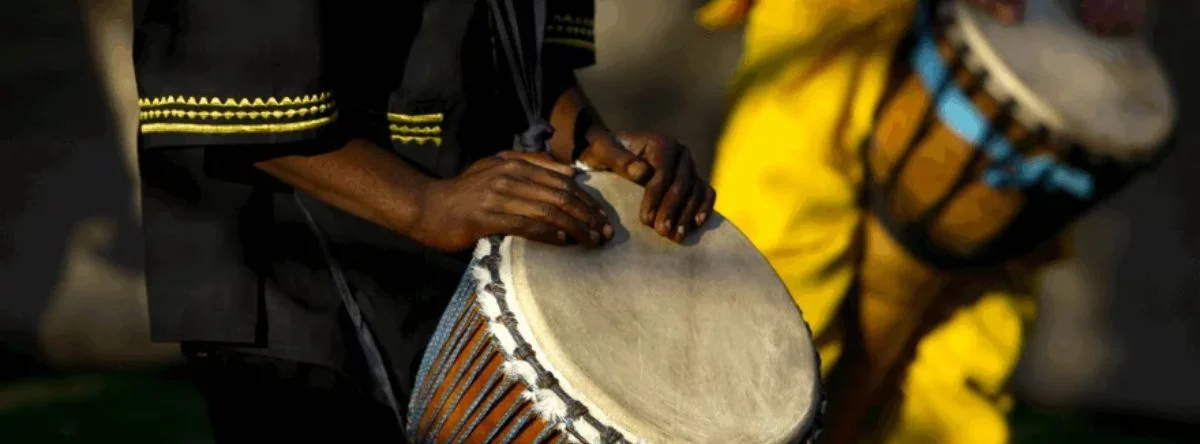
Merengue, recognised by UNESCO as Intangible Cultural Heritage of Humanity, is one of the Dominican Republic’s greatest cultural treasures. Within its different styles, Perico Ripiao stands out as the oldest and most traditional. Originating in the Cibao region, it features the accordion, tambora drum and güira — creating a fast, festive and infectious rhythm.
Dancing Perico Ripiao is almost a must for anyone visiting the country. In Santo Domingo’s Colonial Zone, especially along El Conde Street or in Parque Colón, you’ll often find musicians playing live, inviting locals and visitors to join in.
This musical tradition is more than entertainment — it’s a joyful expression of the Dominican people’s warmth and hospitality.
The Charamico: Dominican Christmas spirit
In December, Christmas in the Dominican Republic takes on a unique charm thanks to the charamico, the local version of the Christmas tree. Made from dry branches or vines, painted white, green or red and shaped into cones, these decorations became popular in the 1970s and are now an essential part of Dominican festive décor.
The streets of Santo Domingo and other cities fill with charamicos from October onwards, creating a lively atmosphere of music, light and colour. For visitors, exploring the markets where they’re sold is a cultural experience that captures the warmth of a Dominican Christmas.
Carnival and the Diablos Cojuelos: celebration and tradition
The Dominican Carnival, held in February, is one of the island’s most eagerly awaited events of the year. With roots in both Spanish festivities and African traditions, it combines parades, costumes, dance and music in a dazzling celebration of joy.
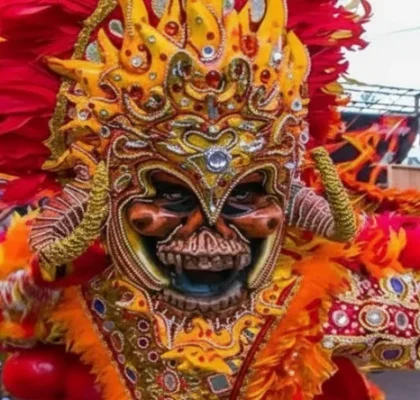
The most iconic characters are the Diablos Cojuelos — colourful devils wearing spectacular masks. Armed with inflated leather bladders, they playfully “strike” onlookers, a symbolic act that once represented driving away evil spirits.
Among the most famous celebrations are the Carnival of La Vega and the Malecón Carnival in Santo Domingo. For travellers, attending one of these events is a wonderful opportunity to witness Dominican creativity and passion in full swing.
Sweet beans: a Holy Week tradition
Holy Week in the Dominican Republic wouldn’t be complete without habichuelas con dulce — a one-of-a-kind dessert made from red beans, milk, sugar, sweet potato, raisins and spices.
This creamy, surprising treat is prepared in every household and shared among family, friends and neighbours, reinforcing the country’s sense of community.
Though traditionally associated with Easter, you can now find it year-round in restaurants, supermarkets and souvenir shops. Tasting it is a delicious way to connect with one of the island’s most cherished traditions.
Coco Loco: Caribbean refreshment
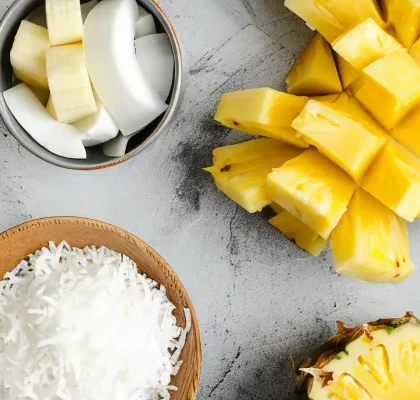
In the region known as the Costa del Coco — home to Punta Cana — the coconut is an essential part of daily life. It’s used in desserts, stews and drinks, with the most famous being the Coco Loco.
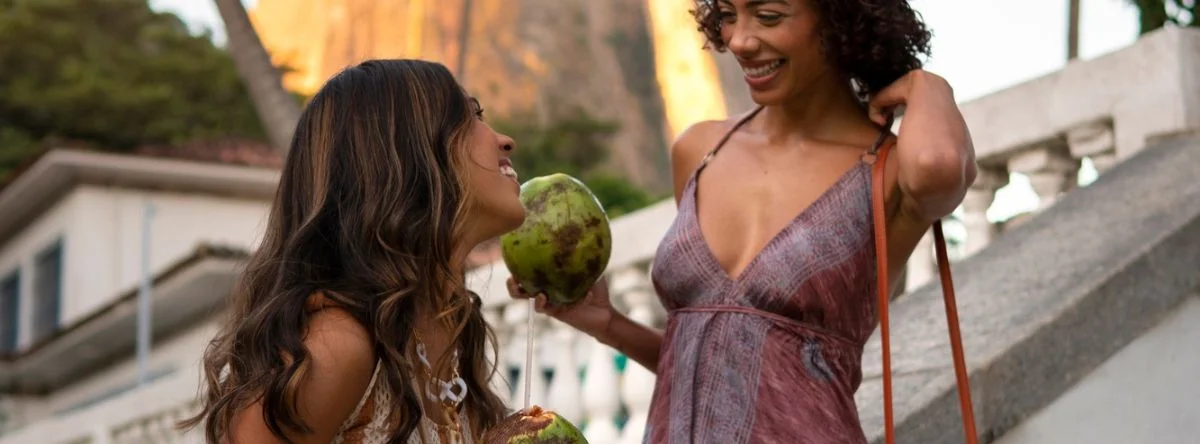
This cocktail blends rum, coconut cream and citrus juice, sometimes with a splash of vodka or tequila. The result is a refreshing drink, perfect for beating the Caribbean heat. Served in the shell itself, it’s a must-try experience on Dominican beaches.
Arroz Concón: the crunchy treasure at the bottom of the pot
Concón is the golden, crispy layer of rice that forms at the bottom of the pot after cooking. Once considered leftovers reserved for servants during colonial times, it’s now one of the most prized parts of Dominican cuisine.
Its crunchy texture and toasted flavour make it a perfect companion for stews, meats or sauces. Many Dominicans will tell you that concón is “the best part of the meal” — a perfect example of how humble traditions become culinary treasures over time.
Mamajuana: a traditional Dominican drink
Mamajuana is perhaps the most traditional beverage in the Dominican Republic. Made with rum, red wine, honey and a blend of local herbs and roots, it’s left to macerate for weeks until it develops a rich, distinctive flavour.
Considered both a liqueur and a natural remedy, it’s believed to have medicinal and even aphrodisiac properties. In Punta Cana and beyond, you can try it in bars and restaurants or buy a bottle to take home as a truly authentic souvenir.
Sancocho: a dish made for sharing
Dominican sancocho is a hearty stew prepared for family gatherings and rainy days. It combines various meats — chicken, beef, pork — with plantain, cassava, pumpkin and other root vegetables, resulting in a thick, flavourful dish.
Served with white rice and avocado, sancocho is much more than food; it’s a symbol of unity and hospitality. Sharing a bowl means sharing tradition, warmth and community spirit.
The Day of Our Lady of Altagracia: national devotion
On 21 January, the Dominican Republic celebrates the Day of the Virgin of Altagracia, the country’s patron saint and one of its most significant religious festivities. More than a spiritual celebration, it’s an expression of national identity and devotion.
At the heart of the tradition lies the Basilica of Higüey, in La Altagracia province, where the Virgin’s image is kept. Each year, thousands of pilgrims travel from across the island to pay tribute, give thanks or ask for blessings — many walking long distances as an act of faith.
Beyond the solemn masses, the day overflows with culture: music, dance, food and family gatherings. Typical dishes such as sancocho or La Bandera Dominicana bring people together, uniting faith and tradition.
Visiting the Basilica of Higüey at this time of year is an unforgettable experience for travellers wishing to connect with Dominican spirituality and culture. Even outside the festivities, the basilica remains one of the country’s most striking landmarks, both architecturally and symbolically.
Experience Dominican culture through its traditions
The Dominican Republic’s traditions are an open invitation to explore the island’s cultural richness. From music and dance to local dishes and festivals like Carnival or Christmas, each experience reflects the joy and generosity of its people.
If you’re visiting Punta Cana or any corner of the island, don’t miss the chance to embrace these customs — because beyond its beaches, it’s the Dominican traditions that will make your trip truly unforgettable.