Punta Cana, on the eastern coast of the Dominican Republic, is one of the most sought-after destinations for travellers dreaming of a perfect holiday. Its white-sand beaches, crystal-clear waters and warm temperatures all year round make this Caribbean haven an ideal place to unwind, enjoy and disconnect from everyday life.
Beyond its natural beauty, however, travelling to Punta Cana also means knowing a few practical details that will make your stay more comfortable and safe. From the required documents to the best excursions or the ideal time to visit, this guide brings together the most useful tips for your trip to Punta Cana.
Preparing for your trip to Punta Cana
Planning a holiday in this Caribbean destination is simple, especially if you opt for an all-inclusive resort such as Lopesan Costa Bávaro Resort Spa & Casino, which provides everything you might need. Even so, there are a few details worth bearing in mind to make the most of your stay.
Travel insurance for the Dominican Republic
Taking out travel insurance for the Dominican Republic is highly recommended. Although many travellers overlook it, this service covers incidents such as lost luggage, flight delays, private international medical care and legal assistance. Having it arranged in advance lets you travel with peace of mind and avoid potential setbacks.

Required documents: passport, tourist card and visa
- Passport: Must be valid for the entire duration of your stay.
- Tourist card: Mandatory for entry. It costs around €10 and allows a stay of up to 30 days. You can obtain it at the airport, at Dominican embassies, through travel agencies or online.
- Tourist visa: Not all nationalities need one, but if required, it can be requested via the official Dominican government website. It is valid for 60 days and can be single or multiple entry.
If you’re travelling from Spain, you do not need a visa — only the tourist card, which allows a 30-day stay. If you wish to remain longer, you can apply for an extension through the Dominican Republic Migration Office website.
Vaccinations for travelling to Punta Cana
No vaccines are mandatory to enter the Dominican Republic, though it’s advisable to be protected against hepatitis A, hepatitis B and typhoid fever. Always check with your health centre before travelling for the most up-to-date recommendations.
Booking in advance
Punta Cana is one of the most popular destinations in the Caribbean, so booking your accommodation and transport early is essential. Resorts such as Lopesan Costa Bávaro offer full packages that include lodging, dining, leisure activities, spa and excursions — ensuring comfort from the moment you arrive and avoiding last-minute issues.
What to pack
Packing for your trip to Punta Cana is easy if you keep the tropical climate in mind:
- Light, breathable clothing
- Swimwear and comfortable footwear
- Sunscreen and insect repellent
- Sunglasses and a hat or cap
The weather is hot all year round, so there’s no need for warm clothes.
Weather: the best time to visit Punta Cana
Punta Cana enjoys a tropical climate with steady, warm temperatures between 24°C and 31°C throughout the year. This consistency makes it an excellent destination any time of year, though there are slight seasonal variations:
- Hottest months: July and August, when temperatures may exceed 30°C.
- Cooler months: November to January, particularly in higher-altitude areas where lows can drop to around 18°C.
- Rainy seasons: April to June and September to November, coinciding with the most humid period of the year.
The best time to travel depends on your preferences:
- December to April: High season, with dry weather, little rainfall and larger crowds.
- June to November: Low season, with more humidity and occasional rain but lower prices and a calmer atmosphere.
Thanks to its pleasant climate, Punta Cana can be enjoyed 365 days a year.

Language in the Dominican Republic
The official language is Spanish, but in tourist areas such as Punta Cana you’ll find staff who also speak English, particularly in resorts and restaurants. Communication during your stay won’t be an issue.
Money in Punta Cana
The official currency is the Dominican peso (DOP), although US dollars are widely accepted in most tourist businesses. Some places may also take euros.
Practical tips:
- Exchange money at the airport, banks, hotels or resorts.
- Use international credit cards only in trusted establishments to avoid fraud.
- Haggling is common with street vendors, especially on the beaches.

Safety in Punta Cana and Santo Domingo
Punta Cana is among the safest regions in the Dominican Republic, largely thanks to its tourism-driven focus. Still, if you plan excursions to the capital or other cities, keep these tips in mind:
- Avoid displaying valuables.
- Go out during daylight hours.
- Choose organised or guided tours.
Within your resort you’ll find everything you need — food, entertainment and security — allowing you to relax without concern.
Getting around Punta Cana
Getting around Punta Cana is simple. Most all-inclusive resorts have everything you might need on-site: restaurants, private beaches, pools, entertainment and activities. Therefore, transport within the resort won’t be necessary.
If you’d like to explore further afield, several options are available:
- Private or group transfers: The most comfortable and safe choice. Many agencies and hotels organise excursions with transport included to beaches, cenotes or nearby cities like Santo Domingo.
- Taxis: Easy to find and regulated in tourist areas, though it’s best to agree on the fare beforehand.
- Car hire: A great option if you want complete freedom to discover lesser-known spots.
Public transport exists (buses and motoconchos), but it’s not recommended for tourists due to inconsistent schedules, limited comfort and safety concerns. For a carefree experience, it’s best to opt for organised transfers, taxis or a rental car.
Tipping in Punta Cana
In the Dominican Republic — and especially in Punta Cana — tipping is part of the service culture. While many establishments and tour packages already include a service charge, leaving an extra tip is customary and appreciated.
- In restaurants and bars, around 10% of the total bill is standard unless already included as a “service charge”. Even then, many travellers choose to leave a small additional amount for exceptional service.
- It’s also customary to tip porters, waiters and housekeeping staff. It’s not obligatory, but gestures like leaving a few dollars a day for the room attendant or a small token of appreciation for attentive service are always valued.
Tipping in Punta Cana isn’t a strict requirement, but it’s a thoughtful way to show gratitude and support local staff — something worth factoring into your travel budget.
Internet access and SIM cards
Staying connected in Punta Cana is easier than ever. Most hotels and tourist accommodations offer free Wi-Fi, though coverage may be limited to common areas such as the lobby or restaurants, and speeds may not match those at home.
If you need internet access at all times, the best option is to buy a local SIM card. These are available at the airport on arrival and in phone shops within major shopping centres. They come with flexible data packages suited to short stays — perfect for maps, messaging apps or social media while out on excursions.
This way, you can stay connected, share your experiences in real time and travel with extra peace of mind.
Things to do in Punta Cana
Beyond relaxing at your resort, Punta Cana offers endless activities for every kind of traveller.
Relax at the resort
Resorts in Punta Cana are the perfect place to unwind and enjoy the Caribbean with every comfort at hand. Staying at the Lopesan resorts in Playa Bávaro allows travelers to enjoy a complete experience tailored to different travel styles, always with direct beach access, spacious pool areas, diverse dining options, and top-level services.
At Lopesan Costa Bávaro Resort, Spa & Casino, the atmosphere blends leisure and relaxation, with options designed for both adults and families, a lively boulevard, entertainment venues, and wellness-focused spaces. Lopesan Caoba Lagoon offers a more serene setting, where thoughtful design, lush vegetation, and a calm pace invite guests to relax without rush. For families traveling with children, Lopesan Splash Cove is all about fun, featuring water play areas and activities for all ages. And for those seeking peace and exclusivity, Lopesan Serenity Bay provides a more intimate atmosphere, ideal for disconnecting and enjoying the Caribbean at a slower rhythm.
No matter how you choose to travel, the Lopesan hotels in Punta Cana offer the perfect balance of relaxation, entertainment, and services designed to make every day a different experience.
Excursions to Santo Domingo
Just two hours from Punta Cana lies Santo Domingo, the nation’s capital and one of the oldest cities in the Americas. Its Colonial Zone, a UNESCO World Heritage Site, offers a fascinating glimpse into Dominican history through its cobbled streets, churches and colonial fortresses.
Punta Cana’s beaches
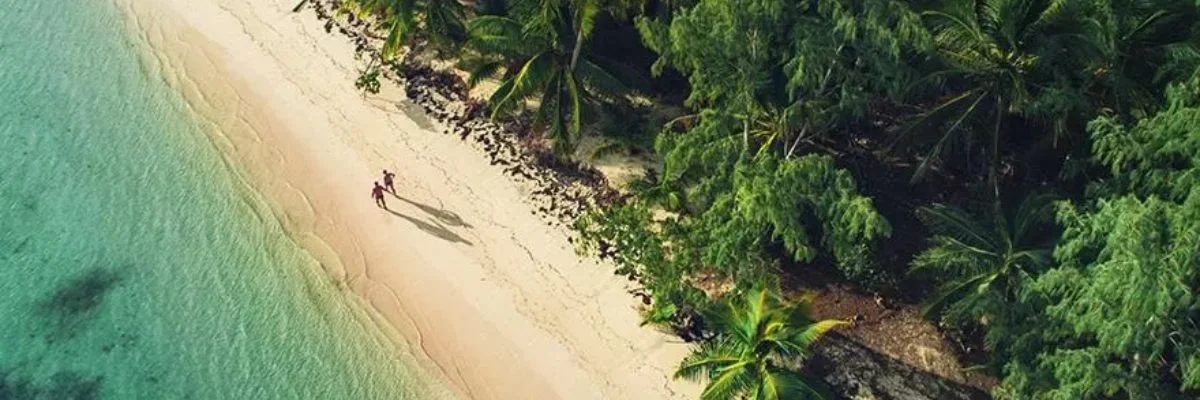
The true gem of the destination is Bávaro Beach, famed for its long stretch of white sand and turquoise waters protected by a coral reef. Other notable beaches include:
- Uvero Alto: Quieter and less touristy.
- Playa Blanca: Great for water sports.
- Boca de Toro: With a more local feel.
Nature and adventure
- Hoyo Azul, a turquoise cenote surrounded by lush jungle.
- Snorkelling and diving among coral reefs.
- Catamaran cruises and buggy tours along the coast.
Culture and traditions in the Dominican Republic
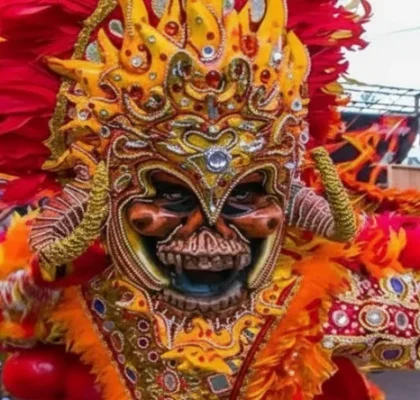
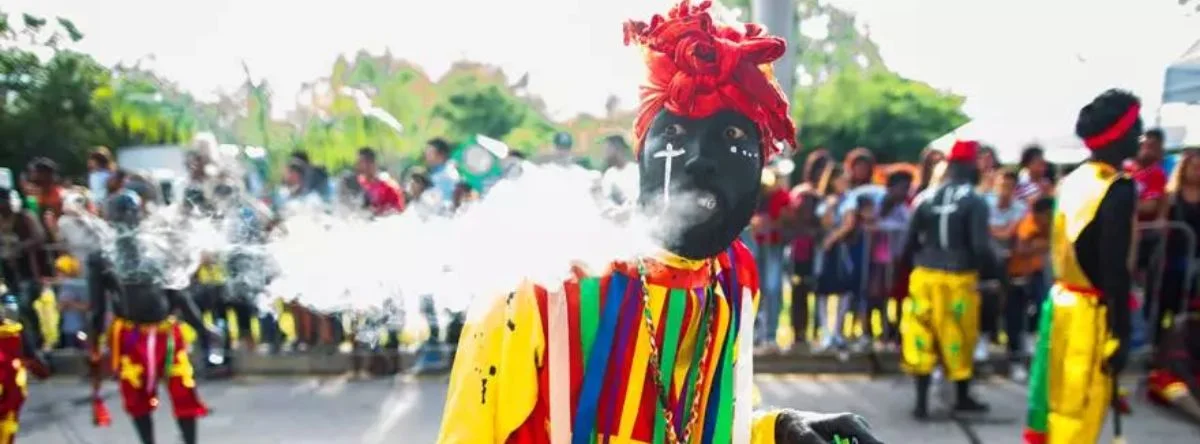
Dominican identity blends Taíno, African and Spanish roots. One of its most vibrant celebrations is Carnival, especially in La Vega and along Santo Domingo’s Malecón. Colourful parades, lively troupes and the famous Diablos Cojuelos make this a unique experience for locals and visitors alike.
Travelling to Punta Cana means more than enjoying paradise beaches — it’s also an invitation to discover the culture and traditions of the Dominican Republic.
What not to do in Punta Cana
Although Punta Cana is a safe and well-prepared destination, a few tips will help you avoid unnecessary trouble during your stay:
- Avoid drinking tap water: Always use bottled water, even for brushing your teeth, as local tap water may not be suitable for foreign travellers. Resorts provide bottled water without issue.
- Remember that haggling is part of local culture: In markets or with street vendors, prices aren’t fixed. Negotiating politely is common — and can even be fun — but don’t accept high prices without checking first.
- Don’t venture alone into non-touristy areas: If you want to explore beyond your resort, always do so through organised tours or with official guides. It’s safer and allows you to enjoy the experience with cultural insight and logistical ease.
With these tips for your trip to Punta Cana, you’ll have everything you need for an unforgettable holiday: documentation, weather, safety, currency, activities and packing essentials.
Whether you’re looking to relax at a resort, explore the history of Santo Domingo, dive among coral reefs, or experience the joy of local celebrations, the Dominican Republic welcomes you with open arms. Staying in Punta Cana allows you to enjoy stunning beaches, unique experiences, and all the comfort you need to turn your trip into an unforgettable memory.
We look forward to welcoming you—have a great trip!