Baltic Sea cuisine is known for its simplicity and the quality of its seafood, although each area keeps its own particular traditions. If you travel to the German coast, you will find local culinary traditions such as those of Fehmarn, offering authentic flavours shaped by life by the sea. Typical food in Fehmarn is shaped by its surroundings: fresh fish, local produce and recipes passed down through generations.
The taste of the sea: fish and coastal bites in Fehmarn
Cuisine in northern Germany cannot be understood without its ports. From the large harbours of Hanseatic cities to small fishing shelters, fish is at the heart of the table.
Harbour bites in Burgstaaken and Fehmarn
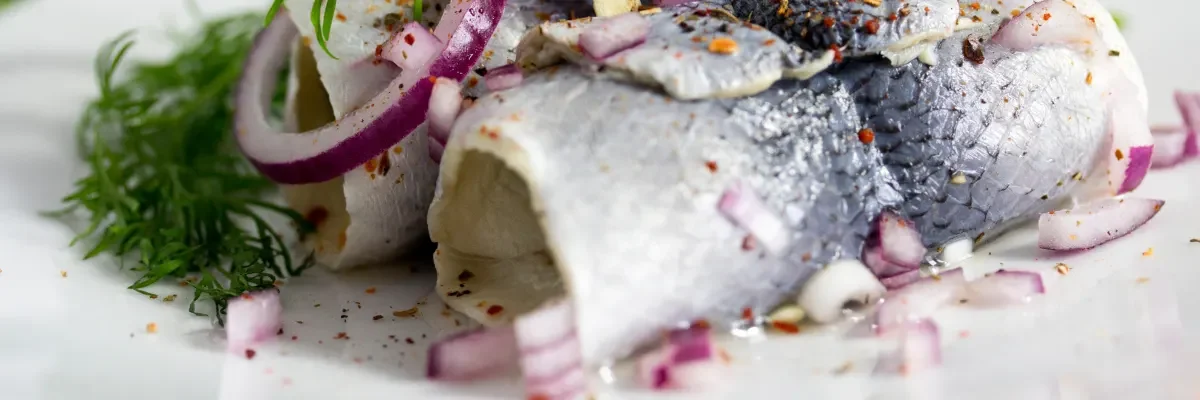
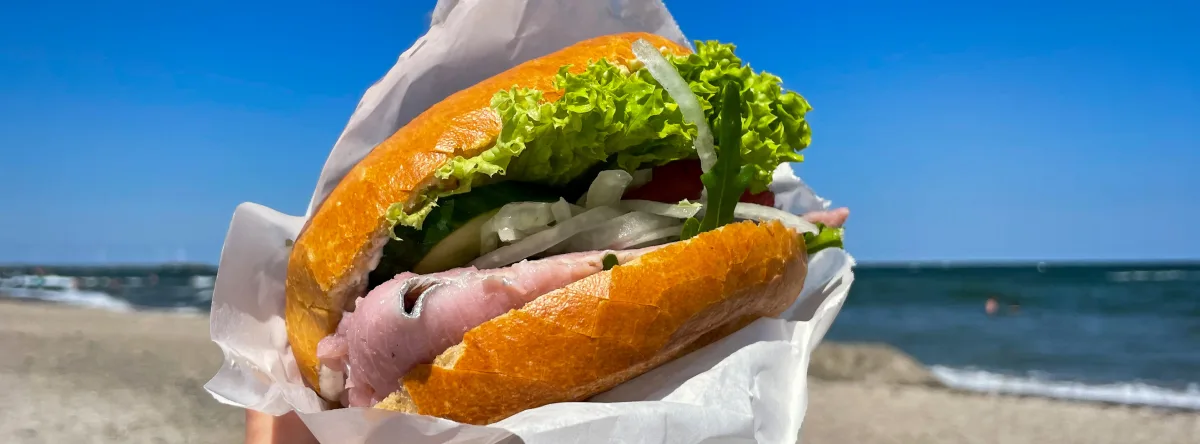
If there is one place where maritime tradition is still tangible, it is the harbour of Burgstaaken. Here, the rhythm is set by fishing nets and boats returning each morning with their catch. The Fischbrötchen is the most iconic bite: a crusty bread roll filled with fresh fish that captures the essence of Baltic cuisine. It is one of the most common options; simply head to one of the harbour stalls to enjoy a high-quality product.
Herring is the star ingredient of Fehmarn’s local cuisine and is prepared in countless ways. The Matjes, made from young herring cured in brine, stands out for its delicate and tender texture. The Bismarckhering adds a sharper note thanks to its vinegar and onion marinade, so typical of the region. Then there is the Rollmops, a fillet of pickled herring rolled around a gherkin, a classic coastal appetiser.
Traditional smokehouses in Schleswig-Holstein
Moving along the coast to other towns in the region, the aroma of smokehouses (Räuchereien) becomes the best guide. In these places, which are true local institutions, salmon, eel and mackerel are slowly smoked over carefully selected woods such as beech. Tasting a piece of smoked fish while still warm, served simply with dark bread and butter, captures the essence of Baltic cuisine perfectly. It is an intense flavour, deeply tied to the maritime traditions of the area.
Specialities from the land: from sea buckthorn to rapeseed honey
Across the island and its surroundings, small-scale agriculture makes the most of the richness of the soil to produce ingredients full of flavour. Not everything in Baltic cuisine comes from the sea; inland areas also have a pantry of their own, shaped by the northern climate.
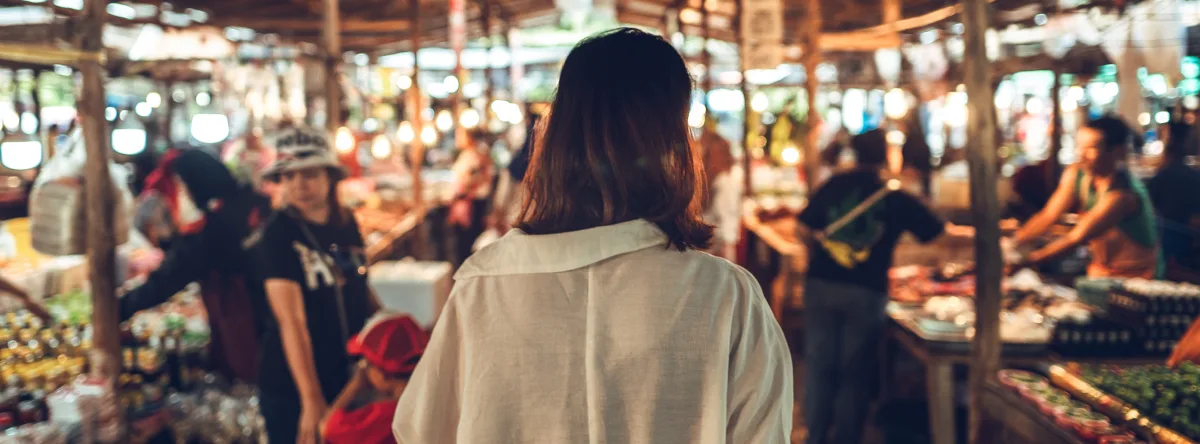
You notice this in local markets and in the small roadside shops you find along the way. In these places, traditional recipes give as much value to wild berries or honey as to a good piece of salmon. Trying these products is a way of understanding that the cuisine of this region is a balance between what the sea offers and what the land provides.
Sea buckthorn: the vitamin boost of the north
If there is one shrub that defines the Baltic coast, it is sea buckthorn (Sanddorn). Its vivid orange berries grow wild in the dunes and are rich in vitamin C. People on the island use it for everything, from jams and sharp, refreshing juices to liqueurs and teas that help ward off the cold. It is so common that you will find it at almost any local stall, and tasting a sweet made with this fruit is a regular part of discovering Baltic cuisine.
Yellow fields and rapeseed honey
In spring, much of the coastal landscape turns yellow when the rapeseed comes into flower. This crop produces a very pale honey with a creamy texture and mild flavour, a staple on northern tables. Local beekeepers produce it across the region, and taking a jar home is a lovely way to take a piece of the German countryside with you. In places with a strong farming tradition, such as Fehmarn, the quality of this honey is especially high.
Produce from local farms and gardens
The cuisine of this region also draws on its farms and kitchen gardens. Potatoes are a common accompaniment and appear alongside almost every main course. Roadside farm shops also make it easy to buy seasonal fruit and artisan cheeses directly from the producer, ensuring the authentic flavour that defines the area’s cooking.
Traditional dishes to warm you up
When the northern wind picks up, Baltic cuisine becomes more substantial. Hearty stews and slow-cooked dishes form the basis of eating during the colder months. These are simple recipes designed to comfort, using ingredients that hold up well in low temperatures, such as cabbage, legumes and smoked meats.
Stews and recipes from the northern coast
One of the most representative dishes in this area is the Schnüsch, a stew of summer vegetables cooked in milk. Another is the Grünkohl, a type of kale served with smoked sausages typical of the north. These dishes reflect the identity of a region shaped by its climate.
Fehmarn: a stronghold of traditional cooking
To try these recipes in their most authentic form, it is best to leave the bigger cities behind and head towards the coastal villages that have preserved their traditions most faithfully. If you stay in Fehmarn, you will see that many of these dishes still feature on the menus of its oldest taverns. One example is the Mehlbeutel, a traditional boiled dough dish served with fried bacon and fruit, blending sweet and savoury flavours in a very distinctive way.
It is also very common to find the Labskaus, a traditional seafarers’ dish made with cured meat, potatoes and beetroot, topped with a fried egg and herring. It is a recipe with a long history, still prepared with pride by local fishermen. Trying these dishes is the best way to immerse yourself in Fehmarn’s local cuisine and understand its dual farming and maritime heritage.
Desserts and liqueurs: the perfect end to a Baltic meal
Desserts in this area are simple and hearty, strongly rooted in local fruit and in recipes designed to comfort. The key ingredient in sweets is sea buckthorn, whose acidity balances beautifully with sugar in jams, cakes and creams. The Rote Grütze, a red-berry pudding made with currants and raspberries and served with vanilla sauce, is also extremely common. It is one of the best-known desserts in the region and a frequent choice after a fish-based meal.
Afternoon coffee is almost a ritual, usually accompanied by local sweets such as the Kröpel, a type of fried pastry popular along the coast. To counter the damp sea air, it is also common to finish with a Pharisäer, a hot coffee with rum and a layer of whipped cream. Herbal liqueurs and spirits made from local fruit also have a long tradition in regional distilleries, making them the ideal digestif after sampling Baltic cuisine.
Staying at the IFA Fehmarn Hotel & Ferien-Centrum allows you to experience the flavours of the Baltic without ever losing sight of the sea. It is an ideal destination for discovering the local cuisine, especially if you choose the best time to visit Fehmarn. This three-star complex is set directly on the sand of Südstrand (South Beach), a privileged location for exploring the island and relaxing to the sound of the waves. Its three panoramic towers, protected as cultural heritage, are the symbol of the hotel and offer views from the rooms across the dunes and the sea horizon.
The hotel combines the comfort of its rooms with the independence offered by its apartments, giving you plenty of freedom to organise your stay at your own pace. If you want to try local cuisine without leaving the complex, the Windrose restaurant keeps that maritime spirit alive both in its dishes and in its nautical décor. You can also opt for the more rustic atmosphere of the Fischerkate or enjoy a cocktail with your feet in the sand at the IFA Beachbar. It is a good starting point for discovering the flavours and landscapes of this part of Germany at any time of year.