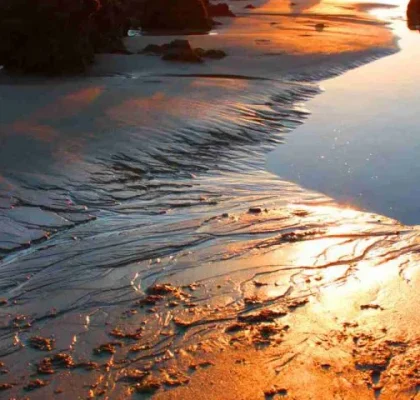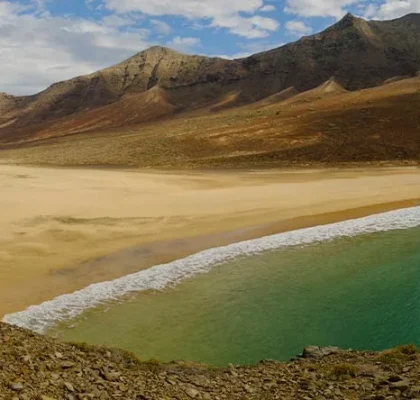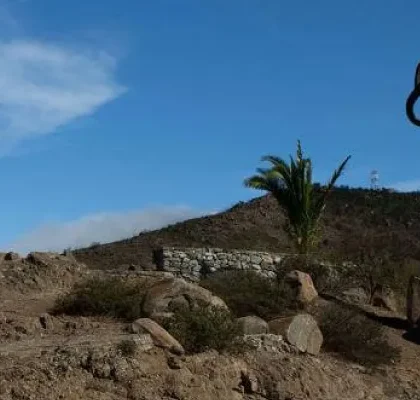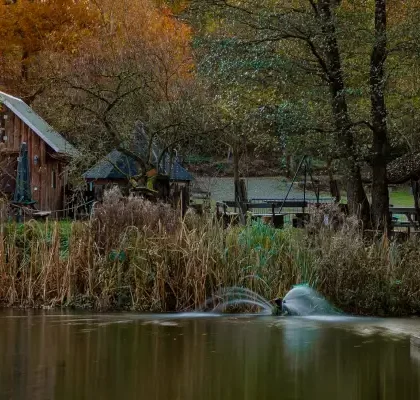
When people think of Fuerteventura, their minds usually go straight to dunes and the sea. Yet the island’s interior reveals a surprisingly rich geological landscape. Exploring its ravines means uncovering a volcanic past shaped over millions of years by erosion. These routes offer a completely different perspective, where silence and sculpted rock formations take centre stage.
Walking through Fuerteventura’s ravines brings you into near-total silence, broken only by the wind or the occasional passing goat. The terrain shifts dramatically; within a few metres, you can move from dry, ochre slopes to small palm-filled oases. If you are interested in landscape photography or simply want a different kind of hiking experience, these landscapes offer a visual richness that is hard to match elsewhere in the Canary Islands.
The geological value of the island’s interior: a landscape of contrasts
To understand the island’s structure, you need to look inland, where the oldest geological history in the entire archipelago is preserved. Fuerteventura was the first island to emerge from the ocean, resulting in a heavily eroded landscape marked by ravines and natural cuts that expose millions of years of sedimentation.
This terrain is the result of erosion that has not been interrupted by recent volcanic activity. Without new lava flows covering the surface, wind and occasional (though intense) rainfall have had free rein to shape the ravines with remarkable precision. The result is a stark contrast: dry, bare slopes leading into ravine beds where accumulated moisture allows palm groves and low vegetation to appear. It is in this transition between rock and life that the real appeal lies, ideal for those seeking raw, unfiltered nature.
Ravines of fossil sand and ancient sediments
This area of the island is perhaps the most striking for its almost unreal appearance. The landscape blends dark volcanic rock with sand deposits compacted over time by the sea and wind. These sediments tell a story of higher sea levels and long-term calcification processes that have created formations of remarkable fragility and beauty.
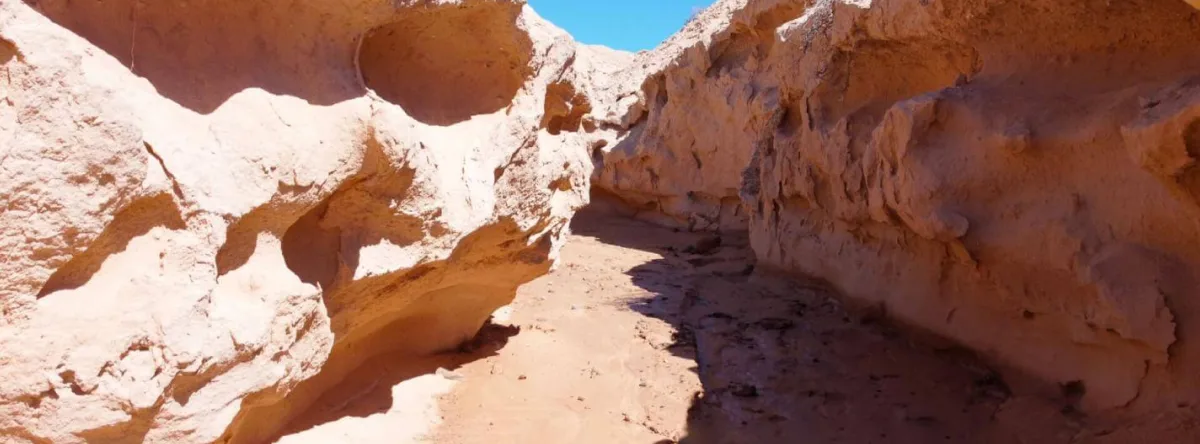
Barranco de los Enamorados
If there is a place that feels like an open-air sculpture, it is this one. Also known as Barranco Encantado, Los Enamorados is a display of fossil dunes shaped by wind and water with striking precision. Its walls form sinuous shapes, creating a labyrinth of pale tones and porous textures.
Walking along its bed feels like stepping back to a time when the sea covered much of this area, leaving behind these sand deposits that are now one of the island’s most photogenic landmarks. It is a short and easy walk, ideal for late afternoon, when the light enhances every detail of the petrified sand without the harsh shadows of midday.
Barranco de Ajuy
On the west coast of the island, the landscape shifts to reveal the archipelago’s most ancient origins. Barranco de Ajuy leads to a black volcanic sand beach, but its real value lies in the rock formations along its sides. Here you find the oldest rocks in the Canary Islands, part of the basal complex that rose from the ocean floor millions of years ago.
Walking this stretch allows you to observe deep marine sediments and fossils of extinct gastropods embedded in limestone. The vast caves at the end of the route, carved by the constant force of the Atlantic, provide a powerful conclusion to a trail that brings together pure geology and the raw energy of the ocean.
Oases and water channels in Fuerteventura’s desert landscape
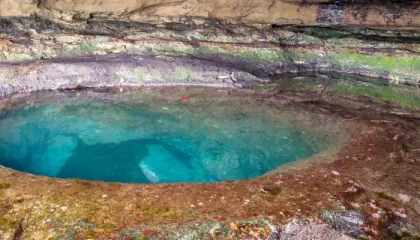
On an island defined by aridity, finding watercourses or permanent pools creates a dramatic shift in scenery. These ravines act as pockets of greenery where life concentrates in surprising ways. The presence of moisture allows ecosystems to develop that break with the island’s dominant landscape, creating shaded, cooler spaces that encourage a slower pace.
Barranco de Río Cabras: a refuge for local wildlife
Near the capital, Río Cabras in Fuerteventura stands out for maintaining a near-constant water flow throughout the year. This supports a strip of vegetation made up of tamarisk and reeds that contrast with the surrounding bare hills. It is one of the best spots on the island for birdwatching; grey herons, ruddy shelducks and even Egyptian vultures (known locally as guirre) can often be seen here. The route follows the ravine bed along an accessible path, highlighting the historical importance of these watercourses for local communities.
Barranco de las Peñitas: granite and palm groves in the heart of the island
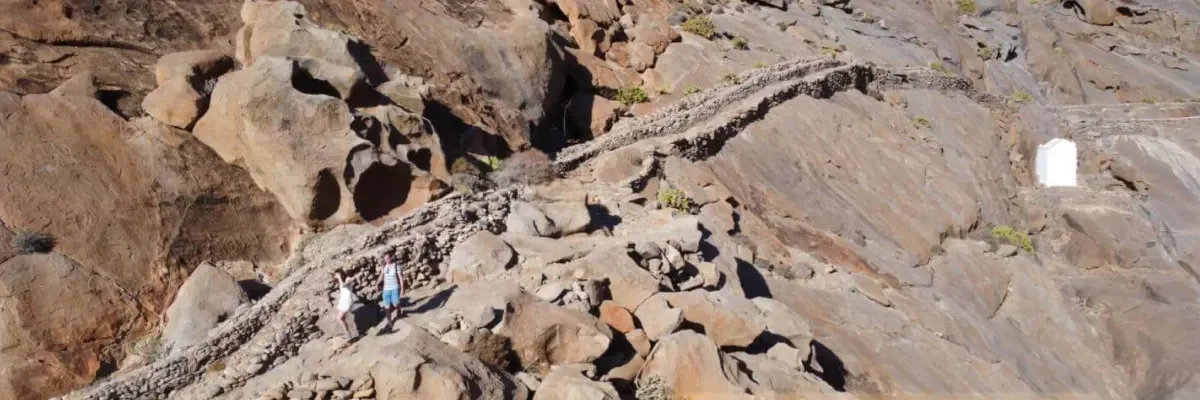
This is one of the most distinctive landscapes in Fuerteventura. Unlike most ravines on the island, which are dominated by basalt, here large blocks of syenite granite emerge. These rounded rock formations create an almost alpine landscape that contrasts with a dense grove of Canary Island palms.
The route passes an old dam, now filled with sediment, and leads to the small chapel of the Virgen de la Peña, set directly into the rock. It is a place where massive geological forms meet the calm of a hidden oasis, offering a hiking experience defined by both visual impact and botanical richness.
Other ravines in Fuerteventura worth visiting
Beyond the most popular routes, the island still holds ravines that retain a wild, solitary character. These places preserve traces of traditional life and show how every resource was used in an environment shaped by scarcity. Walking these ravines means encountering silence and a landscape that remains largely untouched.
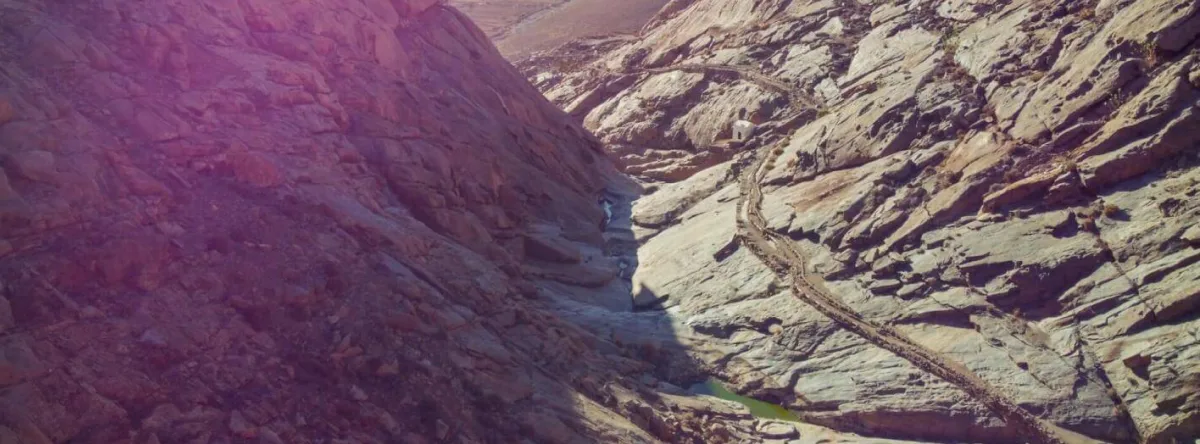
Barranco de la Torre
This ravine reflects the ingenuity of past inhabitants in managing water. It contains remains of traditional water-harvesting systems known as gavias, and agricultural systems designed to capture runoff from scarce rainfall. The path runs between volcanic rock walls and tamarisk trees until reaching a pebble shoreline where the sound of the Atlantic dominates. It is an ideal route for walking without crowds.
Barranco de Mal Paso
Near Betancuria, Barranco de Mal Paso offers some of the best views of the island’s central massif. The trail climbs above rounded hills and surrounding valleys, revealing the scale of the volcanic landscape that forms the backbone of Fuerteventura. Its name recalls the difficulty early shepherds faced when moving livestock through this rugged terrain. Today, marked paths make access easier, turning it into a natural viewpoint that helps explain the island’s interior geography.
Practical tips for exploring ravines in Fuerteventura
Planning a route inland requires a different approach from a typical beach day. The terrain and desert climate demand proper preparation to enjoy the experience safely.
- Footwear with good grip – Avoid flat-soled trainers. Terrain changes constantly in the ravines; you may move from loose sand to volcanic rock or slippery granite. Proper hiking shoes with good traction are essential.
- Water – Shade is almost non-existent. Carry enough water for the entire route, as there are no supply points once inside the ravine.
- Full sun protection – The island’s wind can be misleading, making temperatures feel mild, but solar radiation is intense year-round. Sunscreen, a hat and sunglasses are essential.
- Respect for the environment – Some areas, such as Barranco de los Enamorados, are formed by extremely fragile fossil sand. Leaving marked paths or climbing the walls for photos causes irreversible damage.
- Check weather forecasts – Rain is rare, but when it comes, water flows rapidly through ravines with surprising force. If storms are forecast, it is best to postpone the route.
To organise routes across the island, staying in the south is often the most practical option, allowing you to combine hiking days in places such as Ajuy or Río Cabras with time to rest by the sea.
If you are looking for comfort with everything you need to unwind, the IFA Altamarena Hotel is a strong beachfront option in Morro Jable. For a quieter and more independent stay, the IFA Villas Altamarena offer private accommodation with views over the Atlantic, giving you full flexibility to plan your routes.
Choosing the right base is key to making the most of your time on the island. If you are still deciding where to stay, take a look at our guide to the best areas in Fuerteventura, where each part of the island is explained in detail.